
 Caleb Turner
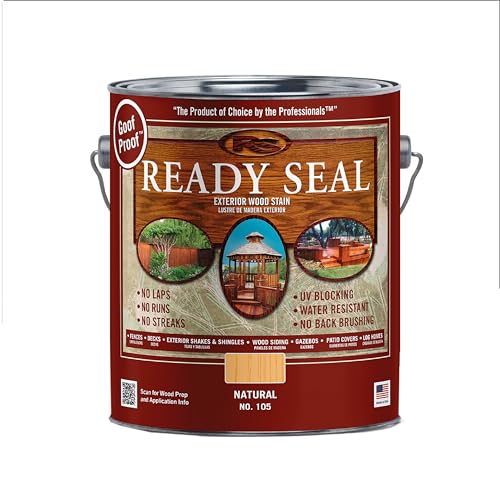
Consider adding a fresh coat of paint or stain to breathe new life into your aged wooden pieces. A well-chosen color can highlight the natural grain and character, making an impactful statement in your space.
Repurposing old slabs can yield stunning tabletops or shelving. Cut them to size, then sand and finish for a modern touch, maintaining the unique charm of the original material.
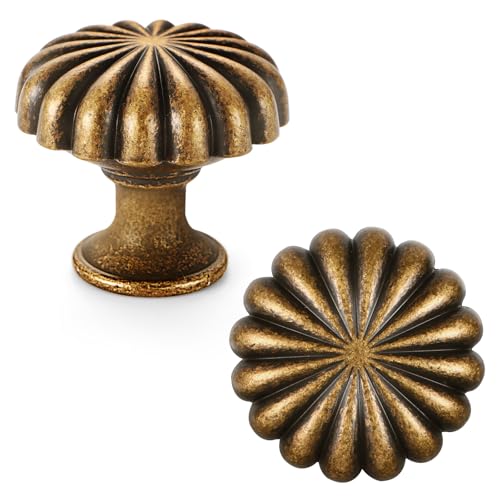
Don’t overlook the potential of modifying hardware. Swapping out old knobs and hinges for contemporary options can drastically alter the appearance, merging rustic charm with modern design.
If you’re feeling creative, try decoupage with vintage paper or fabric. This technique allows for endless customization, letting you express your personality while preserving the history embedded in the wood.



Lastly, consider creating smaller accent pieces, such as coasters or picture frames, from leftover scraps. This not only minimizes waste but also adds a personal touch to your decor.
Revamping Hardwood Pieces
Transform outdated wooden pieces by applying a fresh coat of paint. Select a color that complements your existing decor, ensuring it adds a new aesthetic without overwhelming the space. Use chalk paint for a matte finish, or opt for a glossy lacquer for a more polished look. Make sure to sand the surface lightly before applying paint to ensure adhesion.
Creative Additions
Incorporate new hardware, such as handles or knobs, to enhance the overall appearance. Choosing unique or vintage-style options can breathe new life into basic designs. This simple adjustment can shift the entire vibe, making a piece feel contemporary or rustic, depending on your selection.
Functional Redesigns
Consider altering the function of your wooden items. An old table can become a cozy bench, and a worn dresser can transform into a chic bathroom vanity. Evaluate your needs and look for ways to repurpose structures creatively. Ensure structural integrity by reinforcing joints and connections as necessary.
Match your reimagined pieces with soft furnishings, like cushions or throws, to bring harmony to your space. Mixing textures will also add depth, making the setting inviting and well-coordinated.
Assessing the Condition of Your Oak Furniture
Check for structural integrity by inspecting joints and joints for looseness. Tighten screws or replace broken dowels as needed.
Examine the surface for scratches, dents, or water rings. Use fine sandpaper to smooth rough areas or apply wood filler for deeper imperfections. Follow with a suitable stain or finish to restore the appearance.
Look for signs of pests, such as small holes or powdery residue. If you suspect an infestation, treat with appropriate insecticides or consult a professional.
Investigate any discoloration or fading, which may be remedied with a DIY wood restorer or oil. Regular maintenance can prevent further damage.
Consider the wood’s age; antique pieces may require specialized care. Research appropriate treatments that respect the material’s history.
Assess whether the current design aligns with your vision. Consider modifications or new functionalities that can enhance its use in your space.
Choosing the Right Upcycling Technique for Oak
For transforming aged hardwood, selecting the appropriate method directly influences the outcome. Here’s what I consider:
- Refinishing: Stripping old finishes and applying modern stains or paints can enhance the natural grain and color. I personally prefer water-based products for a safer application with less odor.
- Modular Designs: Another interesting approach involves disassembling pieces and creating new, functional items. Consider crafting a bench from an old table–an excellent blend of form and function.
- Decoupage: Using decorative paper or fabric can breathe life into plain surfaces. I often look for patterns that complement the existing style to maintain coherence.
- Hardware Updates: Swapping out old knobs and handles for contemporary alternatives can significantly elevate the piece without extensive work. I make sure to choose materials that contrast with the wood for a stunning effect.
- Upgraded Joinery: Strengthening joints with modern adhesive or incorporating hidden fasteners enhances durability. I’ve found this especially useful in older designs that may no longer be sturdy.
Assessing the original craftsmanship provides direction. If the piece boasts intricate details, I lean towards light refinishing rather than heavy alterations. Conversely, more basic designs lend themselves to bold changes.
Each technique serves a unique purpose depending on the final vision. I ponder the look I want to achieve and the time I’m willing to invest, ensuring a satisfying transformation.
Preparing Furniture for a New Look
First, remove any existing hardware, such as knobs or hinges, to ensure a smooth transformation. This step prevents damage during the refinishing process.
Next, clean the surface thoroughly. I use a mixture of warm water and mild soap, scrubbing gently with a soft cloth to eliminate dirt and residue. After cleaning, allow it to dry completely before proceeding.
Inspect every inch for defects. I make a detailed list of scratches, dents, or loose joints that need attention, so nothing is overlooked.
Sanding Techniques
Choosing the right grit sandpaper is crucial. Start with a coarse grit (around 60-80) to remove old finishes, then switch to finer grits (180-220) to create a smooth surface. Sand in the direction of the grain to avoid scratches.
- A vacuum cleaner works well for dust removal between sanding stages.
- For hard-to-reach areas, I use a sanding sponge or small detail sander.
Sealing and Preparing for Painting or Staining
Apply a wood conditioner if staining is part of the plan. This product helps the new finish adhere evenly. After the conditioner, I wait the recommended drying time before applying stain or paint.
Finally, I do a final wipe-down to ensure there is no dust left on the surface. This step gives my project the clean slate it needs for the new finish to look its best.
Painting Techniques for Furniture Restoration
Using high-quality primer is my initial step. A solid primer establishes a good base and enhances paint adhesion. For a natural look, I opt for a water-based primer; it dries quickly and offers flexibility.
Surface Preparation
Before painting, proper sanding is crucial. I begin with medium-grit sandpaper (120-grit) to remove any shine and defects, followed by fine-grit (220-grit) for smoothness. I ensure to wipe down the surface with a damp cloth to remove dust particles.
| Type of Paint | Key Features |
|---|---|
| Acrylic Paint | Durable, low odor, quick drying |
| Chalk Paint | Matte finish, easy to distress, no priming needed |
| Milk Paint | Eco-friendly, non-toxic, creates a vintage appearance |
Application Techniques
I recommend using a synthetic brush for detailed work and a foam roller for larger surfaces. Two to three coats of paint typically deliver the best finish; I let each coat dry completely before applying the next. Distressing techniques, like sanding edges after the final coat, provide a charming, vintage effect.
Sealing with a polyurethane finish is essential for durability. I choose a clear matte or satin sealant to protect the finish while allowing the underlying paint to shine through.
Applying Stain to Enhance Oak Grain
I recommend selecting a high-quality wood stain specifically designed for hardwoods. Begin by testing the stain on an inconspicuous area to gauge the color and depth it adds to the grain. After ensuring satisfaction with the chosen hue, gather your supplies: a clean cloth, synthetic brush, and fine-grit sandpaper.
Before applying the stain, lightly sand the surface to remove any imperfections and open the pores of the wood for better absorption. Wipe away any dust with a damp cloth. This preparation is crucial for an even application.
Using a brush or cloth, apply the stain in the direction of the grain. Make sure to work in sections, allowing the stain to penetrate for a few minutes before wiping away excess. This enhances the natural pattern without overwhelming its character.
After the first coat dries, evaluate the intensity of the color. If you’d like a deeper shade, apply a second coat following the same method. Allow the final layer to cure completely before adding a protective finish, such as polyurethane, to safeguard the surface while showcasing its beauty.
Incorporating New Hardware and Features
To breathe new life into an old piece, I recommend sourcing unique hardware that complements the aesthetic. Choose knobs, pulls, or hinges that match or contrast with the current finish for added interest. Antique brass or matte black finishes create a striking effect against lighter or darker substrates.
Consider adding elements like decorative stencils or overlays. I often use templates to apply designs with paint or varnish, instantly elevating the item’s character. Select patterns that resonate with your personal style or the theme of your space.
Another modification worth trying is replacing legs or adding casters. Mid-century modern tapered legs give a fresh silhouette, while vintage casters offer both functionality and charm. Make sure to reinforce the structure if adding any weight-bearing features.
Incorporating shelving or baskets can enhance utility. I frequently install floating shelves on the sides or inside sections to create additional storage, perfect for books or decorative items. Use materials that harmonize with the piece’s original vibe for a seamless integration.
Lastly, adding a fresh coat of protective varnish or sealant will not only enhance the visual appeal but also provide durability. Choosing a matte finish can maintain a natural look, while a glossy finish results in a polished appearance.
Reupholstering Furniture with Modern Fabrics
Choose a textured or patterned fabric to give a striking look while also enhancing comfort. For instance, using a blend of polyester and cotton can provide durability and breathability. When selecting textiles, consider colors that complement the natural finish of the wood.
Steps for Reupholstering
1. Remove the existing upholstery carefully, noting how it is attached. Use a staple remover and pliers to avoid damaging the underlying padding.
2. Inspect the cushioning; replace any worn-out foam or batting to ensure longevity and comfort.
3. Cut the new fabric, allowing extra inches for stapling. Lay it over the padding, ensuring proper alignment with the grain of the material.
4. Attach the new fabric securely using a staple gun, starting from the center and working outwards to avoid wrinkles. Fold and tuck the fabric neatly around corners.
Tools Needed
| Tool | Purpose |
|---|---|
| Staple Gun | Attaching the new fabric to the frame |
| Staples | Fastening the fabric securely |
| Pliers | Removing old staples |
| Measuring Tape | Ensuring accurate fabric cuts |
| Scissors | Cutting fabric and padding |
Reupholstering can breathe new life into a cherished piece while adapting to modern interior aesthetics. Pay attention to the quality of fabrics and ensure they suit the intended use of the item. This approach not only refreshes the appearance but also contributes to sustainability.
Creative Repurposing Ideas for Oak Items
Transform a worn table into a unique bench by removing its legs and adding a set of sturdy, decorative supports. This creates seating that retains the charm of the original piece while serving a new purpose.
Use shelves from an old cabinet to create a striking wall display. Sand them down, paint in a preferred color, and mount them as floating shelves to showcase books, plants, or collectibles.
Functional Decor
Cut an old chair seat into a rustic coffee table top, attaching it to a metal base for an industrial look. This fusion of materials offers durability and an eye-catching design.
Create coasters from leftover wood sections. Cut into uniform squares, sand them, and apply a food-safe finish for a functional addition to your home that complements the style of your space.
Garden Features
Repurpose a set of spindles from a broken chair into trellises for climbing plants in your garden. Paint them in vibrant shades to enhance your outdoor decor while ensuring they withstand the elements.
Turn a vintage cabinet door into a charming birdhouse by adding a roof and a small entry hole. This not only recycles material but also draws wildlife into your backyard.
Maintaining Your Upcycled Oak Furniture
Regular care is vital for keeping your transformed pieces in excellent shape. Here are key strategies to ensure longevity and beauty:
- Dust Regularly: Use a soft, lint-free cloth to remove dust. Aim for a weekly schedule to prevent buildup, which can scratch surfaces over time.
- Avoid Harsh Cleaners: Opt for a mild soap solution or specialized wood cleaner. Strong chemicals can strip finishes and damage the material.
- Coat Maintenance: If you’ve applied a finish, reapply it as needed. For oil finishes, consider a light application every six months; for water-based finishes, assess annually.
Check hardware for wear and tear biannually. Tighten screws and replace any missing or broken pieces to maintain structural integrity. I prefer brass or brushed nickel for a timeless look that compliments my revamped designs.
- Keep Away from Direct Sunlight: Prolonged exposure can lead to fading and drying. Use curtains or place plants to filter light.
- Humidity Control: Aim to maintain a stable humidity level. Excess moisture can cause warping; meanwhile, too little can lead to cracks.
Finally, be conscious of usage. Placing coasters under drinks and protective mats under hot items prevents damage and preserves aesthetics.
FAQ:
What are some creative ideas for upcycling oak furniture?
There are numerous ways to upcycle oak furniture, depending on your style and needs. For instance, you could turn an old oak dresser into a unique bathroom vanity by adding a sink on top. Alternatively, converting an oak table into a coffee table with added storage underneath is another practical idea. You might also consider painting the furniture in bold colors or using decoupage techniques to give it a fresh look. Additionally, repurposing parts of the furniture, like transforming chairs into decorative plant stands, can add a rustic touch to your home décor.
How can I prepare my oak furniture for upcycling?
Preparation is key to a successful upcycling project. Begin by cleaning the oak furniture thoroughly to remove dust and grease. If the furniture has a finish, you might need to strip it using a chemical remover or sandpaper, which will help the new paint or stain adhere better. After that, fill in any holes or scratches with wood filler, and once it dries, sand the areas smooth. A good primer can also help improve the finish of your furniture after upcycling. Remember to work in a well-ventilated area and wear appropriate safety gear while preparing your furniture.
What tools will I need for upcycling oak furniture?
Upcycling oak furniture requires several tools for different tasks. Basic tools include screwdrivers, a hammer, and a measuring tape for dismantling and assembling parts. Sanding blocks or electric sanders are essential for surface preparation, while brushes and rollers will be useful for applying paints or stains. If you plan to modify the furniture’s structure, tools such as a drill or jigsaw may be required. Lastly, clamps can help secure pieces while glue dries or when painting. Having these tools on hand will make your upcycling project smoother and more enjoyable.
Can I upcycle oak furniture without painting it?
Absolutely! Upcycling can be done without applying paint. You could opt for refinishing the oak to restore its natural beauty by sanding and applying a wood conditioner or clear sealant. Another idea is to add embellishments, such as new hardware, decorative trim, or fabric inlays, which can enhance the appearance without changing the wood’s color. You may also consider techniques like stenciling or adding a protective finish to bring out the grain, allowing the natural wood to stand out while giving it a fresh look.
Are there specific techniques for giving oak furniture a vintage look?
To achieve a vintage look on oak furniture, consider distressing techniques like rubbing edges with sandpaper or using a hammer to create small dents and scratches strategically. Staining with darker shades can also evoke a vintage feel, especially when applied unevenly. Layering different colors of paint and sanding between coats can create a weathered aesthetic. Additionally, adding vintage-style hardware or upholstery fabrics can further enhance the retro charm of your upcycled piece. Don’t forget to finish with a soft wax or matte topcoat for added character and protection.
What are some creative ideas for upcycling oak furniture?
There are several innovative ways to upcycle oak furniture that not only enhance its appearance but also increase its functionality. One idea is to transform an old oak table into a stylish coffee table by adding a fresh coat of paint or applying a new finish that highlights the wood’s natural grain. You could also convert wooden chairs into unique plant stands by removing the seats and painting or staining the frames. For a more functional approach, consider repurposing an old oak dresser into a bathroom vanity. This adds character and charm to your space, while providing more storage. Finally, crafting a bench from old oak planks can create a beautiful outdoor seating option while preserving the wood’s history.


