Caleb Turner

Begin by selecting a piece that speaks to you. Whether it’s a chair, table, or a complete set, ensure it’s sturdy and has visual appeal. I suggest starting with a thorough cleaning using a mixture of mild soap and water; this prepares the surface for any further modifications.
Next, consider personalizing the item. Paint it in a color that complements your interior. Use high-quality spray paint or chalk paint for a matte finish that breathes new life into tired surfaces. Make sure to apply multiple thin layers and allow ample drying time for durability.
Accessorize your revamped creation with comfortable cushions or throws. Opt for fabrics that contrast or coordinate with your chosen color palette, enhancing both comfort and aesthetics. Incorporating decorative items like plants or books can also amplify the charm of your refreshed piece.
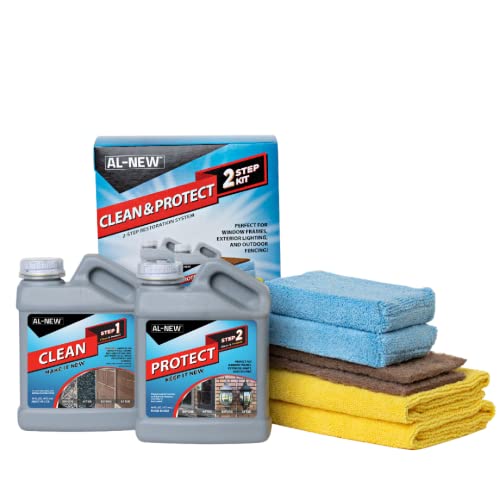
Lastly, don’t forget the finishing touches. A coat of sealant will protect your handiwork from wear and tear. Regularly inspect and maintain the piece to ensure it remains a standout element in your space for years to come.
Transforming Your Rattan Seating into Modern Statement Pieces
Replace old upholstery with trendy fabrics. Choose bold patterns or colors to breathe new life into your seating area. Look for outdoor-rated materials for durability.


Consider applying a fresh coat of paint or stain. Select matte or gloss finishes based on your desired aesthetic. Use spray paint for an even layer or a brush for more control.
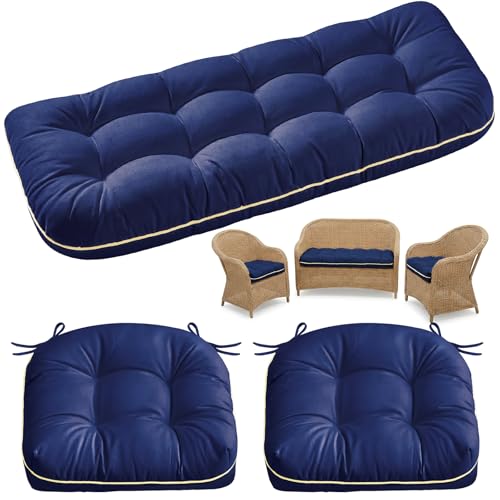
Add cushions for comfort and style. Mix and match sizes and textures to create a layered look. Incorporate outdoor cushions for weather-resistant options.
Incorporate new hardware or embellishments. Update old handles or knobs with stylish alternatives. Consider adding decorative elements like tassels or fringes for a unique touch.
Repurpose old items. Turn a chair into a side table by adding a sturdy top. Create a storage solution by adding a cushion on a repurposed trunk or basket.
| Action | Materials Needed | Estimated Time |
|---|---|---|
| Upholstery Replacement | Fabric, Staple Gun, Scissors | 2-3 hours |
| Painting or Staining | Paint/Stain, Brushes, Drop Cloth | 1-2 hours |
| Cushion Addition | Cushions, Fabric, Measuring Tape | 1 hour |
| Hardware Update | New Handles, Screwdriver | 30 minutes |
| Repurposing | Various Materials | Varies |
Explore creative storage solutions by utilizing shelves. Attach wooden planks to create floating surfaces. This not only adds functionality but also style to your space.
Assessing the Condition of Your Wicker Furniture
I begin with a thorough visual inspection. I look for cracks, loose strands, or any signs of wear. If I find any damage, I note the locations and extent. This helps me plan targeted repairs.
Next, I assess the integrity of the framework supporting the piece. I check for any bending or instability. A sturdy base is essential for the longevity of the item.
Moisture can cause deterioration. I feel for dampness, especially in humid environments. If the surface feels wet, I allow it to dry completely before proceeding with any modifications.
I also examine any finishes or coatings. I note if the paint is peeling or if any varnish has worn away. This will influence my choice of materials for refinishing.
Finally, I consider the overall functionality. I test any movable parts, like seats or reclining mechanisms, ensuring everything operates smoothly. A piece that doesn’t function properly may require more extensive work.
Choosing the Right Paint or Stain for Wicker
Selecting an appropriate paint or stain is crucial for achieving a durable and attractive finish. I recommend considering the following factors:
- Type of Material: Ensure the product is designed specifically for natural fibers. Acrylic or water-based paints work well, while oil-based stains provide deeper penetration.
- Color Selection: Choose colors that complement your existing decor. Lighter shades can brighten a space, while darker tones add sophistication.
- Finish Quality: Satin or semi-gloss finishes are excellent, as they provide a soft sheen that enhances texture without overwhelming the natural look.
- Weather Resistance: If the item will be outdoors, opt for paints or stains with UV protection to prevent fading and deterioration.
- Application Method: Use a brush or a spray for even application. A spray allows for better coverage in intricate areas.
I advise testing the chosen product on a small, inconspicuous section before full application to ensure compatibility and desired appearance.
Additional tools, such as a primer, can help improve adhesion and durability, especially if a significant color change is involved.
Repairing Damaged Rattan: Techniques and Tips
For small cracks or breaks, I often use a strong adhesive specifically designed for natural fibers. Apply a bead of glue to the damaged area, press the fibers together, and secure them with tape until fully set. Patience is key; waiting for the adhesive to completely dry ensures a lasting repair.
Reweaving Techniques
When I encounter larger areas needing attention, reweaving is effective. I select a matching material, such as natural fibers or synthetic alternatives. Carefully remove the damaged section using scissors or a craft knife. Then, thread the new material through the existing weave pattern, securing each end with glue where necessary. Using a crochet hook can make this task easier.
Refinishing and Restoring
After repairs, I often refinish the entire piece to maintain a uniform appearance. Sanding lightly with fine-grit sandpaper helps to smooth out any rough spots. Once the surface is prepped, I apply a suitable stain or sealer. This not only enhances the visual appeal but also protects against future wear and tear.
Incorporating New Fabrics into Wicker Designs
To enhance the look of your natural fibers, select bold colors or patterns that contrast with the texture. Fabrics like cotton blends, linen, or outdoor upholstery can be great choices. Measure your seating or surfaces accurately before cutting the fabric to ensure perfect fits. I prefer to add a unique touch by layering different fabrics in cushions or throws.
Types of Fabrics to Consider
- Cotton: Breathable and available in numerous patterns.
- Linen: Offers a crisp texture and elegant look.
- Outdoor Upholstery: Resistant to moisture and fading, perfect for garden spaces.
Application Tips
- Remove any old fabric carefully to avoid damaging the underlying structure.
- Use a staple gun to secure the new fabric, pulling it taut for a clean finish.
- Incorporate removable covers for easy cleaning and updates in the future.
Experimenting with textures, like adding faux fur or knitted accents, can bring comfort and warmth. For a polished look, consider accentuating seams with contrasting piping or trims. Completing the transformation with coordinating decorative pillows ensures a cohesive design, elevating the overall aesthetic.
Creating Functional Uses for Upcycled Wicker Items
Transforming old baskets into stylish storage solutions is one of the simplest yet most rewarding projects. I often take a large, decorative basket and use it to store yarn, blankets, or toys. Adding a lid or lining it with fabric can enhance the aesthetic while keeping items organized.
Another ingenious idea includes repurposing a chair into a unique plant stand. By removing the seat and placing a pot directly where the seat once was, it creates an eye-catching display. Additionally, attaching small shelves where the back rests can provide space for smaller plants or garden decor.
For those with an abundance of items, using broken or unused seating as wall art provides a unique touch. I like to mount a section of an old chair or a panel from a discarded table on my wall, adding hooks for coats or keys. This not only maximizes space but adds a rustic charm to the entryway.
Creating a whimsical outdoor table using a small round table and attaching a few baskets below for storage works wonderfully. By painting or staining it, the whole piece becomes a cohesive addition to a patio or garden area. It allows for easy access to gardening tools or entertaining supplies.
A unique nightstand can easily be formed from an old basket. By placing a small tray or a wooden piece on top, I create a surface for a lamp and books, while the basket below serves as hidden storage for reading materials or night-time essentials.
Lastly, old chairs can be transformed into play furniture for children. By ensuring stability and safety, kids can enjoy their very own miniature seat, which can even be painted in vibrant colors or adorned with fun fabrics. This encourages imaginative play while ensuring those cherished pieces are not discarded.
Maintaining and Caring for Upcycled Wicker Furniture
Regular cleaning is the first step in preserving my reimagined pieces. I use a soft brush or a microfiber cloth to remove dust and debris, ensuring no dirt accumulates in crevices. For deeper cleaning, a mixture of mild soap and water works effectively; I dampen a cloth and gently wipe the surface without soaking it to prevent moisture damage.
Sunlight can fade colors over time. I position my refurbished items away from direct sunlight or use protective covers when not in use. Additionally, applying a UV protectant spray every few months helps in maintaining the vibrancy of paint or stain.
Inspecting for damage is necessary. I regularly check for any loose strands; if I find any, I tighten or reweave them immediately to avoid further deterioration. To handle minor cracks or breaks, I find wood glue helpful–applying it carefully can restore stability without calling for extensive repairs.
Wooden parts complementing the intricacies of woven pieces deserve attention. I apply a suitable wood conditioner periodically to keep the surfaces hydrated and prevent cracking. This step is particularly crucial for areas exposed to varying humidity levels.
In case of spills or stains, I act quickly. Blotting the area rather than rubbing prevents the stain from embedding further. A light cleaning agent suited for fabric may be necessary for more stubborn marks, ensuring I test it on a hidden area first.
Seasonal maintenance keeps my pieces looking fresh. Before storing for winter, I clean thoroughly and apply protective treatments. During the warmer months, I ensure ventilation is optimal to discourage mold or mildew growth.
Lastly, I take pride in enhancing functionality through regular updates. Considering new arrangements or pairings with cushions or throws allows me to adapt these objects to different styles or seasons, keeping them relevant and useful in my spaces.