
 Caleb Turner

Begin with a high-quality sealant specifically designed for porous surfaces. A good product creates a protective barrier against moisture, preventing rotting and warping. Apply at least two coats, allowing adequate dry time between applications for maximum adhesion.
Incorporating an appropriate finish enhances durability. Options like spar varnish or marine-grade finishes provide UV protection and resist fading from sunlight exposure. Regular maintenance, including reapplication every couple of years, keeps surfaces looking new and well-preserved.
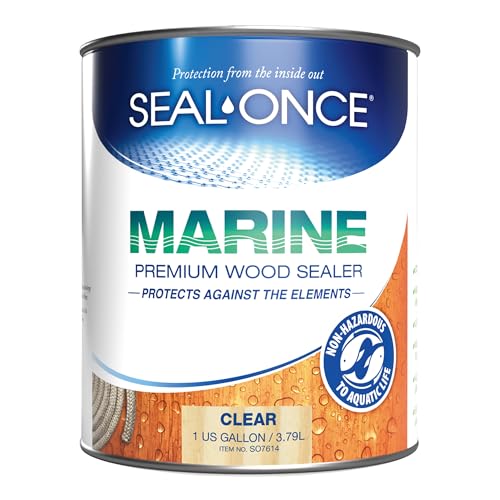


Prior to any treatment, ensure surfaces are clean and smooth. Sanding removes rough areas and encourages better adherence of the sealant. Choose a fine-grit sandpaper, followed by wiping down the surface with a damp cloth to eliminate dust particles.
Consider the specific type of timber you are working with, as different species respond uniquely to treatments. Hardwoods typically offer greater resilience to outdoor elements, while softer woods may require additional care. Consult with professionals or product labels for species-specific recommendations.
Finally, utilize furniture covers or store pieces in a protected location during extreme weather conditions. This proactive approach can significantly extend the lifespan of your items, ensuring they remain functional and visually appealing for years to come.
How to Treat Wood Furniture for Outdoor Use
First, I recommend selecting a high-quality sealant designed for exterior applications. This protects against moisture and UV damage. Apply a generous coat, ensuring it penetrates well into the grain of the material.
Next, sand the surface with fine-grit paper. This prepares it for the application, helping the coating adhere better and providing a smoother finish. A light sanding ensures any previous finishes are removed and allows for better sealant absorption.
Afterward, consider applying a wood preservative before the sealant. This step helps prevent rot and insect damage. Look for products containing fungicides and insecticides for maximum protection.
For aesthetic purposes, staining can enhance the color while providing extra protection. Choose a stain labeled for exterior use, as it will offer durability against the elements. Follow up with the sealant after the stain has dried completely.
Lastly, maintenance is key. Clean the surfaces regularly and reapply the sealant and stain as needed, generally every couple of years, depending on weather exposure and wear.
Choosing the Right Type of Wood for Outdoor Furniture
I recommend selecting species known for their durability against elements. Teak, for instance, demonstrates excellent resistance to moisture and decay, high in natural oils that protect from the sun and rain. Another option is cedar, which possesses a natural insect-repelling quality along with a pleasant aroma, making it ideal for outdoor seating.
Redwood also stands out due to its natural resistance to warping and splitting, ensuring longevity even in fluctuating temperatures. Pine, treated with preservatives, can serve as a budget-friendly alternative; however, ensure it’s rated for outdoor applications to achieve desired longevity.
Hardwoods like mahogany and eucalyptus are suitable choices, presenting aesthetic appeal alongside resilience. Mahogany offers deep hues and a smooth finish, while eucalyptus withstands harsh conditions and has a quicker growth rate, making it a sustainable option.
Acacia wood is increasingly popular, characterized by rich colors and density that contributes to its longevity. It’s essential to apply a protective finish to prevent fading and maintain its appearance over time.
Choosing the right species ultimately hinges on personal preference regarding aesthetics and expected exposure to the elements. Prioritize durability and treat your piece appropriately to enhance its lifespan and visual appeal.
Preparing Wood Surfaces Before Treatment
I thoroughly clean the surfaces to remove dirt, grime, and old finishes. A mixture of warm water and mild detergent works well; I scrub gently with a soft brush or cloth to avoid scratches. After cleaning, I rinse the furniture with clean water and allow it to dry completely, usually 24 hours is sufficient.
Any rough spots or uneven areas need attention. I use sandpaper, starting with a coarser grit (80-120), then progressing to finer grits (220) for a smooth finish. This step enhances adhesion, ensuring any applied products bond effectively.
If the piece has an existing varnish or stain, I apply a chemical stripper according to manufacturer’s instructions. Once stripped, I repeat the cleaning process and sand the surface to eliminate any residue.
It’s prudent to inspect the structure for any signs of damage, such as cracks or loose joints. I address repairs before proceeding with the protective application. I might also consider a wood conditioner, particularly for softwoods, as this promotes an even absorption of the finishing product.
Lastly, I ensure that the environment is suitable for application–working in a shaded area away from direct sunlight and moisture helps the finish to cure properly. Waiting for the best conditions makes quite a difference in longevity and appearance.
Selecting Appropriate Sealants and Finishes
Choosing the right sealants and finishes requires careful consideration of the specific conditions the items will face. I recommend polyurethane as a top option due to its durability. Water-based polyurethanes offer a clear finish, helpful for preserving the natural look, while oil-based alternatives provide a rich, warm tone that enhances grain patterns. Ensure to apply at least two coats for optimal protection.
Considering UV Protection
Look for products that offer UV protection to prevent fading and degradation. Brands often label their finishes with UV inhibitors designed for prolonged exposure. This feature significantly prolongs the life of the finish, allowing for years of enjoyment without noticeable wear.
Selecting Stains for Aesthetics and Protection
If color is a priority, semi-transparent stains can add a desirable hue while still showcasing the grain. I prefer oil-based stains, as they penetrate deeper into the fibers, offering superior longevity. When applying a stain, follow up with a sealant to lock in the color and provide moisture resistance.
Always check the manufacturer’s guidelines for compatibility with the chosen treatment to ensure a lasting bond. Testing on a small area first helps assess the final appearance before full application. Properly selecting and applying these products ensures furniture withstands outdoor elements and remains visually appealing over time.
Applying Stain for Enhanced Durability
Choose a high-quality penetrating stain for long-lasting protection. These stains seep deep into the grain, providing a robust barrier against moisture and UV rays.
Steps to effectively apply the stain:
- Ensure surfaces are clean and dry before application. Use a fine-grit sandpaper to smooth rough areas and remove any old finishes.
- Select a suitable applicator, like a brush or cloth, for even distribution. Avoid using rollers, as they may leave streaks.
- Test the stain on a small, inconspicuous section to confirm desired color and finish.
- Apply the stain evenly, working in sections. Start from one end and move to the other to prevent lap marks.
- Allow the stain to penetrate for 10-15 minutes, then wipe off excess with a clean cloth to prevent a sticky residue.
- Let it dry according to the manufacturer’s instructions, typically 24 hours, before applying a second coat for enhanced richness.
Consider seasonal reapplication every 1-2 years based on exposure levels to extend the lifespan of the material. Regular maintenance checks can identify areas needing touch-ups before significant damage occurs.
Using a stain with UV protection helps to maintain color vibrancy and minimizes fading over time, crucial for outdoor environments. Choose shades that complement your space while offering the necessary protection.
Using Varnish to Protect Against Moisture
A high-quality varnish creates a robust barrier that shields surfaces from moisture damage. I recommend selecting a marine-grade or outdoor-specific varnish that includes UV protection for enhanced longevity.
Application Process
Start by ensuring that the surface is clean and free from any dust or remnants of previous finishes. Applying a thin layer with a brush or a spray ensures uniform coverage. I typically recommend multiple coats–two or three strike the right balance for durability.
Maintenance Tips
Inspect the finish regularly for signs of wear or damage. Should you notice any peeling or discoloration, lightly sand the affected areas and apply an additional coat of varnish. This preventive measure helps maintain the integrity against moisture over time.
Maintaining and Reapplying Finish Regularly
To extend the lifespan of your outdoor timber items, I regularly check the finish and reapply as needed. Observing any signs of wear, such as fading or peeling, indicates it’s time for maintenance. Seasonal changes can accelerate deterioration, so staying proactive is key.
Frequency of Inspection
I recommend inspecting the surface every 3 to 6 months. Look for areas where moisture may have accumulated or where UV exposure is evident. If any sections feel rough or look dull, prepare for refinishing.
Steps for Reapplication
Before reapplying, clean the surface thoroughly using mild soap and water, followed by a gentle scrub with a soft brush. Allow it to dry completely. Choose a product compatible with the existing finish – whether it’s oil-based or water-based – to ensure proper adhesion.
| Finish Type | Recommended Frequency |
|---|---|
| Oil-based Stain | Every 1-2 years |
| Water-based Sealant | Every 2-3 years |
Applying the finish evenly is crucial. Use a brush or a roller for an even coat, and follow the manufacturer’s instructions for drying times. Avoid applying in direct sunlight to prevent premature drying and ensure better absorption.
Regular maintenance not only enhances aesthetics but also protects against environmental factors. Staying vigilant will help in preserving the integrity of those cherished items for years to come.
Cleaning Wood Furniture Without Damage
To preserve my outdoor seating, I consistently use a mixture of mild soap and warm water for cleaning. I apply this solution with a soft cloth or sponge, gently rubbing the surface to remove dirt and grime. Avoiding abrasive materials prevents scratches and maintains the finish.
Rinsing with clean water is essential. I ensure that no soap residue remains, as it can promote damage over time. After rinsing, I use a soft towel to wipe off excess moisture, preventing water spots and potential warping.
For stubborn stains, I opt for a solution of vinegar and water, applying it delicately with a cloth. This natural remedy lifts discolorations without compromising the integrity of the surface. After application, I rinse thoroughly to eliminate any lingering odor.
Maintaining a regular cleaning schedule extends the life of my patio pieces. I prioritize cleaning after heavy rain or storms, which can leave residues that attract mold or mildew. Keeping them dry and clean ensures their longevity.
It’s vital to test any new cleaning agents on a small, inconspicuous area before full application. This precaution prevents unwanted reactions and ensures compatibility with the existing finish. By adopting these methods, I can keep my outdoor seating looking pristine while preventing any damage.
Dealing with Mold and Mildew on Outdoor Wood
Addressing mold and mildew promptly is critical to maintaining outdoor timber. I recommend using a mixture of water and white vinegar or a specialized cleaner containing sodium hypochlorite. Start with a solution containing one part vinegar to one part water, applying it generously over the affected areas.
Utilize a soft-bristle brush to scrub the surface, ensuring that you reach into any crevices where spores may linger. Rinse thoroughly with clean water to remove residual solution, as buildup can attract dirt and moisture.
- For stubborn growth, consider using a paste made from baking soda and water. Apply it directly to the mold and scrub gently.
- Ensure the area dries completely after cleaning. A fan can assist in speeding up the drying process.
After cleaning, it’s wise to apply a preventative treatment, such as a mold-resistant sealant. Look for products specifically designed to inhibit future fungal growth. Follow manufacturer instructions for best results.
Regularly inspect timber surfaces for signs of mold or mildew. Early detection allows for quick action, minimizing damage and maintaining appearance. If growth persists or spreads, repeating the cleaning process or consulting a professional may be necessary.
Storing Furniture During Off-Season to Extend Life
To prolong the lifespan of your outdoor pieces, choose a dry, cool location for storage. Ensure the area is well-ventilated to minimize moisture buildup. If possible, place items indoors, in a garage, or a shed.
Preparing Items for Storage
Before storing, clean the surfaces thoroughly to remove dirt and grime. I recommend applying a protective cover or tarp to shield them from dust and accidental damage. If your pieces can be disassembled, take that step to save space and reduce potential stress on joints and hinges.
Monitoring Conditions
During the off-season, check on your stored treasures regularly. Keep an eye out for signs of dampness or pest infestation. If you notice any issues, address them immediately to ensure your possessions remain in excellent condition.


