
 Caleb Turner

To ensure longevity and durability of your furniture, apply a penetrating oil designed for exotic species. This type of product deeply nourishes the fibers, preventing weather damage and enhancing the natural grains of the material.
Prior to treatment, clean the surface using a mild detergent mixed with water to remove dirt and grime. A soft brush works well for gently scrubbing without abrasiveness. Once dried, the surface will be ready for the oil application, which should be executed with a clean rag or brush to guarantee thorough coverage.
To maintain the beauty, repeat this maintenance every six to twelve months, depending on the exposure to the elements. Monitoring the condition of your pieces will help determine when another application is necessary. With proper care, your outdoor seating will remain sturdy and appealing through the seasons.

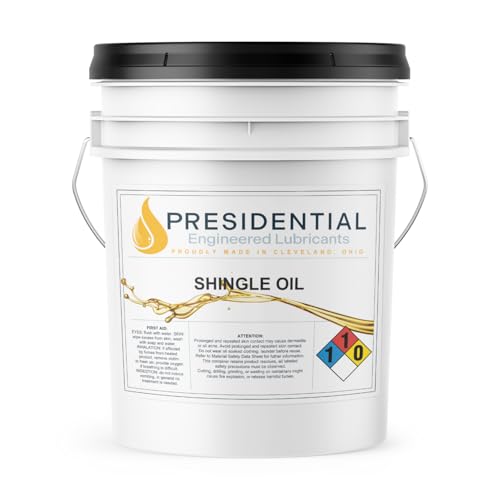
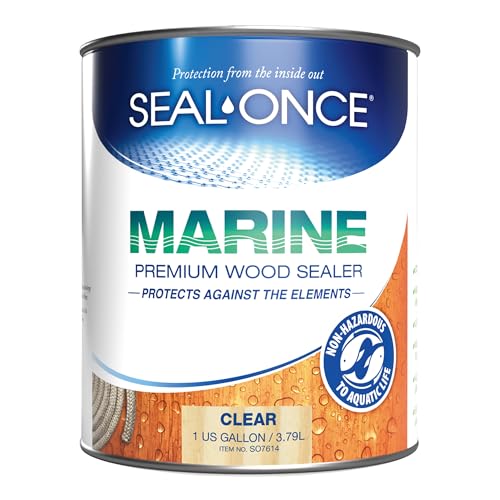
Treatment Steps for Acacia Outdoor Items
I recommend beginning with a thorough cleaning of your items using a mild soap solution and a soft brush. This removes dirt and debris, allowing the surface to absorb subsequent treatments effectively.
Next, allowing the surface to dry completely is essential. This usually takes around 24 hours, but I prefer to wait longer in humid conditions to ensure all moisture evaporates.
Applying a high-quality teak oil or natural wood finish, designed for exterior use, is my next step. This enhances the natural hues while offering a protective layer against UV rays and moisture.
I often find that a second coat of oil provides optimal results, especially if I apply it within 30 minutes of the first coat, ensuring a deeper penetration.
Once everything has dried for at least 24 hours, I concentrate on regular maintenance. Every few months, I lightly sand the surface using fine-grit sandpaper before reapplying the oil. This keeps the finish fresh and prevents deterioration.
For long-term preservation, keeping these creations under a protective cover during harsh weather conditions is beneficial. This simple action can significantly extend the lifespan of the pieces and maintain their aesthetic appeal.
Choosing the Right Finish for Acacia Wood
A penetrating oil finish is my first choice. It deeply infiltrates the fibers, providing protection while enhancing the natural grain. Teak oil or danish oil are solid options. I apply thin coats, allowing each layer to cure properly before adding another.
Key Finishing Options
- Spar Varnish: This option seals and protects against UV rays and moisture. It creates a hard, protective layer but requires multiple coats, which might lead to a glossy appearance.
- Exterior Polyurethane: A durable finish that is resistant to scratches and water. It’s crucial to choose a formula specified for outdoor use.
- Natural Oils: Products like linseed or tung oil offer a more traditional look and feel, while providing decent protection. Reapplication is generally needed every year or two.
Application Tips
- Start by sanding the surface to a smooth finish using fine grit sandpaper.
- Clean the surface thoroughly to remove dust and debris.
- Apply the chosen finish using a clean brush or cloth, following the grain.
- Allow multiple days for full curing in proper weather to ensure the finish bonds effectively.
Each option presents unique advantages; my preference often leans towards those that bring out the inherent beauty while protecting from the elements. Regular maintenance ensures longevity and keeps surfaces looking pristine.
Preparing Surfaces Before Treatment
Begin surface preparation by thoroughly cleaning the material. Use a mild soap solution and a soft brush to remove dirt, grime, and any previous finishes. Ensure to rinse well with water and let it dry completely for optimal absorption during the application process.
Sanding Procedure
Next, sand the surface to enhance penetration of products. Follow these steps:
- Use 80-grit sandpaper for initial sanding to remove imperfections.
- Progress to 120-grit for smoothing the texture.
- Finally, finish with 220-grit to create a fine surface.
This method eliminates rough patches and helps achieve a more consistent finish.
Checking for Defects
Inspect the material for any cracks, splits, or knots. Fill deep cracks with an appropriate wood filler and sand the excess once dried. Ensure the surface is level to prevent uneven application of the protective coating.
Ensure all dust from sanding is removed by wiping down with a damp cloth. This will prevent debris from mixing with finishes, leading to a smoother end result.
Applying Oil to Enhance Durability of Outdoor Furniture
I recommend using a high-quality penetrating oil designed specifically for outdoor applications. Opt for products containing UV protection to prevent fading and sun damage. I applied the oil with a clean cloth or brush, ensuring even coverage without over-saturation.
First, I shook the oil container thoroughly to mix the contents. Then, I poured a small amount onto the cloth and worked it into the surface in the direction of the grain, limiting coverage to a small area at a time. This approach helps to avoid pooling and ensures optimal absorption.
I typically allow the oil to sit for about 10 to 15 minutes before wiping off any excess with a clean rag. Repeating this process every few months significantly extends the lifespan of my outdoor pieces by creating a protective barrier against moisture and environmental factors.
After applying the oil, I suggest letting the surfaces dry completely before using the items. This usually takes 24 to 48 hours, depending on the weather conditions. Regular upkeep, such as this oil application, enhances not only durability but also the natural beauty of the surfaces, highlighting their unique patterns and colors.
Using Sealants to Protect Acacia Wood from Moisture
Select a high-quality sealant specifically designed for outdoor use. Epoxy-based or polyurethane sealants are optimal for providing a robust barrier against moisture intrusion. Ensure the surface is clean and dry before application.
Apply the sealant evenly using a brush or sprayer, paying attention to joints and crevices where water can accumulate. I recommend two to three coats for maximum protection; allow sufficient drying time between each layer, usually 24 hours.
After the final coat, inspect the surface for any missed spots or areas that may require additional attention. Once cured, the sealant will enhance resilience against rain, humidity, and even UV rays, prolonging the lifespan of your furniture.
Consider reapplying the sealant annually or biannually depending on weather exposure and wear, as this will help maintain protective qualities over time.
Cleaning and Maintaining Treated Acacia Furniture
Regular maintenance is key to preserving the beauty and longevity of my treated furniture. I start by using a soft brush or a microfiber cloth to remove dust and debris. For deeper cleaning, I mix warm water with a few drops of mild dish soap and gently scrub the surface with a soft sponge. This approach removes grime without damaging the finish.
After cleaning, I always rinse the surface thoroughly with clean water to remove any soap residue, preventing buildup that can dull the finish. I then dry with a clean, lint-free cloth to avoid water spots and potential moisture issues.
I make it a point to inspect the surfaces for any signs of wear or damage. If I notice any scratches or dull spots, I lightly sand those areas with fine-grit sandpaper, then I reapply the appropriate oil or finish to maintain a uniform appearance. This touch-up not only enhances aesthetics but also bolsters protection against elements.
During the colder months, I store items indoors to protect them from harsh weather. If I need to leave them outside, I cover them with breathable fabric to safeguard against moisture accumulation. This practice minimizes the risk of mold and mildew growth.
Once every season, I check the condition of the finish. If it looks worn, I will reapply oil or sealer following the manufacturer’s instructions. Keeping up with this schedule allows me to maintain the vibrancy of the surfaces and ensures they continue to resist the elements effectively.
Addressing Common Issues with Acacia Furniture Outdoors
To counteract warping, I recommend storing pieces in a shaded spot during extreme weather changes. Ensure proper airflow around the items to minimize moisture retention, which causes bending.
Dealing with Fading
For color retention, apply UV-resistant finishes. A high-quality product with UV-blocking capabilities does wonders for maintaining the original hue. Reapply as needed; frequency will depend on sun exposure.
Preventing Cracking
To keep surfaces intact, regular oil application is beneficial. Use a penetrating oil periodically to enhance moisture retention within the structure, reducing the chances of fissures due to dryness. Choose oils that are specifically suited for exterior applications.
| Issue | Solution |
|---|---|
| Warping | Store in shaded, ventilated areas during extreme weather. |
| Fading | Use UV-resistant finishes; reapply based on sunlight exposure. |
| Cracking | Regularly apply penetrating oils for moisture retention. |
Regular inspection is key. Look for signs of wear and address any issues promptly to extend the life of these pieces.
When to Reapply Treatments for Long-lasting Results
Reapplication of protective products should occur every 6 to 12 months, depending on the specific environment and usage of the items. If your setup is exposed to extreme weather conditions, consider a shorter interval for refreshment.
Observe the appearance of the finish regularly. If the surface appears dull or has lost its luster, it indicates a need for a new coat. Moisture absorption can also serve as a signal; water beads should not remain on treated surfaces. If they soak in, it’s time to reapply.
During cleaning sessions, assess the integrity of the sealant or oil. If cleaning reveals bare spots or changes in texture, restoration is necessary. Inspect joints and corners frequently since these areas are more susceptible to wear.
In coastal areas, salt and humidity can accelerate degradation. In such climates, I recommend applying treatments every 6 months. Conversely, in drier, temperate regions, annual maintenance may suffice. Always assess the climate and local conditions to tailor your reapplication frequency effectively.


