Caleb Turner
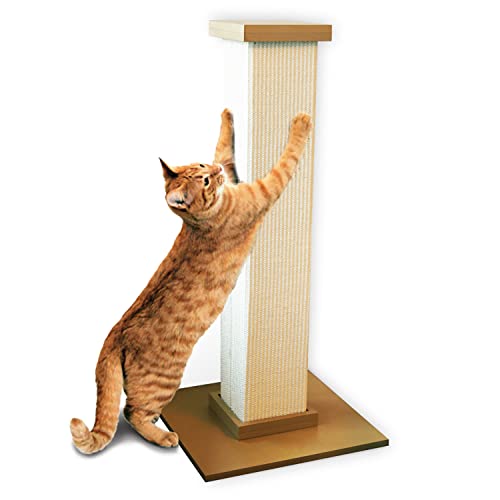
Implement a designated area for your pet’s exploration and playtime. Providing a comfortable space with enticing toys and scratching posts can effectively redirect their energy away from off-limit surfaces. Make this area appealing by incorporating various textures and elevations, encouraging your companion to engage with it instead of seeking your furniture.
Utilize positive reinforcement whenever your furry friend opts for appropriate surfaces. When they choose to interact with the designated spots, reward them with treats or affection. This association helps them understand the preferred places for their activities, gradually shifting their focus away from your household items.
Employ deterrents to discourage the climbing behavior. Covering surfaces with materials that are unappealing to your pet, like double-sided tape or aluminum foil, can discourage them from approaching the area. Additionally, using motion-activated devices that emit sounds or air blasts can effectively create a disincentive for unwanted habits.
Establish a consistent routine and expectations regarding acceptable behavior. Clarity can greatly assist your companion in understanding where they should and shouldn’t go. Patience and persistence will yield progress, fostering a more harmonious living environment for both you and your beloved pet.
Training Techniques for Avoiding Furniture Climbing
Utilize negative reinforcement effectively. A gentle spray of water can redirect undesired behavior without causing harm or distress.


Provide elevated alternatives: Install cat trees or shelves to satisfy climbing instincts while keeping your surfaces safe. Place them near furniture to entice exploration.
Physical barriers work wonders; apply double-sided tape or sticky mats where you wish to discourage access. Cats dislike the feel of these surfaces.
Use deterrent scents. Citrus fragrances tend to be unappealing to felines. Consider incorporating citrus-scented sprays on surfaces to discourage unwanted visits.
Consistency is key; apply the methods uniformly to avoid confusion. Ensure all family members understand and follow the same approach.
Reward positive behavior instead of solely addressing negatives. Use treats or affection when your companion chooses the correct areas to explore.
Monitor attentiveness. Cats often climb when bored. Engage with interactive toys to stimulate and entertain, reducing the urge to scale heights.
Consider healthy outlets for energy. Regular play sessions can tire out your pet, resulting in less mischief around your belongings.
Patience and persistence pay off. It may take time for adjustments to become habitual, but stay committed to long-term results.
Understanding Your Pet’s Behavior
Observe your feline’s body language. Tail position, ear orientation, and movements reveal emotions and intentions. A raised tail often indicates confidence, while flattened ears signal discomfort or aggression.
Offer alternative climbing options. Scratching posts and cat trees serve as acceptable areas for exploration and play. Redirecting interest to these structures can reduce unwanted behavior on surfaces.
Recognize that environmental factors influence actions. Changes in the home, such as new pets or rearranged spaces, can prompt your companion to seek elevated spots for security or curiosity.
Use positive reinforcement. Reward good behavior with treats or affection when your furry friend engages with appropriate objects instead of climbing on prohibited areas. Consistency reinforces desired actions.
Understand that play drives much of their behavior. Interactive play sessions simulate hunting instincts. Engaging in regular, active play can help lower urges to seek out higher ground.
Pay attention to routine. Pets thrive on predictability. Establish consistent feeding times and play schedules to reduce stress, which may lead to unwanted behaviors like seeking elevated surfaces.
Consider their health. Conditions such as anxiety or hormonal changes can influence actions. Consult a veterinarian if you notice significant behavior shifts, as underlying health issues might need addressing.
Setting Up a Reward System for Positive Reinforcement
Utilizing a reward mechanism is foundational for encouraging desirable behavior. I recommend selecting high-value treats that your pet is particularly fond of. These should be something special, differing from their regular diet to maintain interest during the training process.
Timing is Key
Immediate reinforcement is crucial. The reward should be given as soon as the desired behavior occurs. This helps create a clear connection between the action and the reward in your pet’s mind. A delay can confuse them, diluting the effectiveness of the training session.
Incorporate Variety
Rotate the treats to keep your pet motivated. Monotony can lead to disinterest. Include toys or additional playtime as rewards. This not only breaks the routine but also energizes the reinforcement strategy, making learning sessions more enjoyable.
Consistency across all interactions helps solidify the learning. Every family member should understand and apply the same rules and rewards. This uniformity fosters a stable environment, enhancing the likelihood of behavioral adjustments.
Methodically track progress. Keeping a log of successes, including instances where positive behavior was rewarded, can help identify patterns and adjust techniques as necessary. Celebrate small victories to maintain enthusiasm during this process.
Choosing Appropriate Alternatives for Climbing
I found that providing dedicated spaces for vertical exploration significantly reduces the inclination to scale prohibited surfaces. Cat trees serve as ideal installations, offering elevated platforms and scratching posts. Look for structures with varying heights and textured surfaces to cater to different preferences.
Scratching Posts and Perches
Select posts with different materials, like sisal or cardboard, to keep the feline engaged. Position them near windows or within view of family activities, enhancing the allure of these spots. Incorporating perches at various elevations encourages safe climbing while redirecting attention away from your upholstery.
Interactive Play Areas
Create play zones using shelves or wall-mounted systems that allow for exploration without endangering your belongings. Incorporating tunnels and hanging toys stimulates curiosity, promoting physical activity in designated areas. Regularly refreshing these items maintains their interest and encourages them to use their climbing instincts constructively.
Utilizing Deterrents to Keep Cats Off Furniture
Implementing physical deterrents can effectively discourage unwanted leaps onto surfaces. Here are some methods I’ve successfully used:
Double-Sided Sticky Tape
Applying double-sided adhesive tape on targeted areas provides an unappealing texture. Cats dislike the stickiness on their paws, which deters them from returning.
Safe Deterrent Sprays
A variety of commercially available sprays can create an unpleasant aroma for pets but remain safe for humans and the environment. Spraying affected areas can help in keeping them off.
- Find sprays with citrus or menthol scents.
- Reapply regularly to maintain effectiveness.
Physical Barriers
Setting up barriers such as furniture covers or plastic mats with spikes can also deter access. Cats often avoid surfaces that feel uncomfortable under their paws.
- Choose mats that are safe and non-toxic.
- Position covers securely to prevent slipping.
Motion Sensors
Using motion-activated devices that emit noise or air blasts can startle and discourage your pet from jumping onto restricted surfaces. Objects that activate when approached are particularly effective.
Incorporating these strategies can create an environment where your pet naturally avoids certain areas, fostering a more harmonious living space.
Consistency in Training Routines and Commands
Establishing a uniform approach is key for modifying behavior. I utilize the same signals and phrases every time I intervene. This repetition helps my pet connect the command with the desired action. Whenever I see my furry friend attempting to ascend onto surfaces, I firmly but gently redirect them to a designated spot.
Command Examples
| Action | Command Phrase |
|---|---|
| Redirecting to the floor | “Off” |
| Encouraging onto a scratcher | “Climb here” |
| Praising for compliance | “Good spot!” |
Additionally, maintaining a schedule for interactions is beneficial. Consistency in timing reinforces expectations. I allocate specific moments throughout the day to engage, offering rewards precisely when my companion follows through with the instructions. This creates a clear understanding that good behavior leads to positive outcomes.
As progress is made, I ensure that I adapt my tactics while still preserving the core commands. If there’s any inconsistency in my reactions, it can confuse the animal. Sticking to the same principles across different situations strengthens their learning process. With time, they will recognize which areas are off-limits and the alternatives that are acceptable.
Monitoring Progress and Adjusting Techniques
I regularly observe my pet’s reactions to the implemented strategies. Noticing small improvements in behavior is key; tracking these moments helps in understanding what works best. I maintain a journal to log instances of success and setbacks, detailing specific circumstances surrounding each event. This approach allows me to identify patterns and adjust my methods more effectively.
Evaluating Responses
Assessing the pet’s reactions is crucial. When certain deterrents or alternatives are not yielding desired results, I experiment with variations. For instance, I might change the type of reward used, opting for different treats or toys. I also take note of environmental factors that may influence behavior, such as the time of day or distractions present. This insight leads me to tailor the approach to better suit my pet’s unique needs.
Adjusting Techniques
If my original methods aren’t proving effective, I consider altering the environment. Elevating surfaces or blocking access to specific areas can provide immediate results. I also ensure that any distractions are minimized during training sessions. Should a particular alternative be ineffective, I introduce new climbing options, ensuring they are appealing yet distinct from restricted areas. Small tweaks can significantly enhance the process; it’s all about adaptation and flexibility in approach.