
 Caleb Turner

To bring balance to your warm-toned wooden pieces, consider applying a weathered stain or a gray wash. This technique effectively minimizes the brightness while enhancing the wood grain, transforming the overall aesthetic without overwhelming the space.
Another straightforward approach is using a paint wash. Combine water-based paint with water in a 1:1 ratio, and gently brush it onto the surface. This treatment can soften the color while still allowing the natural texture to show through, which is particularly useful for maintaining that organic feel in your setting.
For a more dramatic shift, sanding the surface lightly can help. Removing some of the upper layers reveals the cooler tones underneath, offering a fresh perspective without completely altering the piece. It’s a simple yet impactful method to refresh your decor.
Lastly, consider incorporating complementary decor. Introducing cooler hues through textiles and accessories can create a harmonious contrast, balancing the warmth while enriching your interior design.


Methods to Adapt Your Bright Wood Pieces
I recommend applying a wood stain in a cooler hue. Choose a gray or taupe shade to counterbalance the warmth of the timber. Test a small area first to ensure the final color aligns with your vision.
Using Paint for a Fresh Look
If you prefer a more dramatic change, consider using chalk paint. This type of paint adheres well to wood and can provide a matte finish that softens the overall appearance. After applying, a clear wax can enhance durability and add a subtle sheen.
Accessorizing with Complementary Colors
<p.Incorporate textiles and decor in cooler tones such as blues or greens. These colors can visually diminish the strong hues of your wood pieces. Additionally, strategically placed monochromatic accessories can create a cohesive aesthetic that harmonizes the environment.
Selecting the Right Finish for Pine Furniture
I recommend opting for a penetrating finish, like oil, as it enhances the wood’s natural texture while reducing the intense hue. Tung oil or Danish oil are excellent choices that provide a warm appearance without altering the grain. Applying these with a cloth allows for easy control and even absorption.
An alternative is using a gel stain. This option allows for meticulous application, ensuring a uniform color across the surface. Choose a color with more neutral undertones to balance out the brightness of the wood. Apply a thin layer, let it sit for a few minutes, then wipe off the excess to achieve the desired look.
If you prefer a protective coating, polyurethane in a satin finish works well. Its matte quality helps diminish reflections and provides durability, which is beneficial for high-usage items. A water-based poly is less yellowing compared to an oil-based version, keeping your piece looking fresh.
I advise testing any finish on a small, inconspicuous area first. This method guarantees satisfaction with the final look before fully committing. Multiple coats may be necessary, so proceed gradually to assess the color change at each stage.
Using Wood Stains to Alter Color Tone
Selecting a wood stain is vital for shifting the appearance of furniture. I recommend testing samples on a hidden section before full application. Choose stains with deeper hues like walnut or espresso; these tend to diminish unwanted brightness effectively.
Application Techniques
Use a clean cloth or brush for even application. Wipe away excess after a few minutes to avoid dark patches. Multiple thin coats yield a more refined result than one thick layer. Allow each coat to dry completely before assessing the outcome.
Final Touches
Once satisfied with the color, seal the surface with a compatible finish to protect the new shade. This not only enhances the look but also ensures longevity. Regular maintenance will help maintain the desired appearance over time.
Applying Paint: Strategies for Covering Orange Hues
I recommend using a high-quality primer before applying any paint. A stain-blocking primer is essential to prevent the vibrant undertones from bleeding through. This creates a uniform base on which to build your desired color.
Select a paint that has a matte or eggshell finish. Glossy finishes can highlight imperfections and may not yield the desired aesthetic effect. I trust acrylic or latex paints for their durability and ease of application.
When selecting colors, opt for cool shades, such as soft grays or muted blues. These tones will provide a pleasing contrast, helping to offset the existing warmth. I suggest sampling a few swatches on a small, inconspicuous area to visualize the transformation before committing to a full coat.
Apply multiple thin layers instead of a single thick one. This method prevents drips and allows for smoother coverage. Allow each coat to dry thoroughly before adding the next, ensuring the paint adheres properly.
After painting, consider applying a protective topcoat to enhance durability. A matte polycrylic or water-based polyurethane can add a layer of protection while maintaining the softness of the new finish.
Finally, be open to distressing the painted surface for a more rustic look. Light sanding on edges creates depth and adds character, making it appear as though the piece has been gently worn over time.
Exploring DIY Wax and Oil Treatments
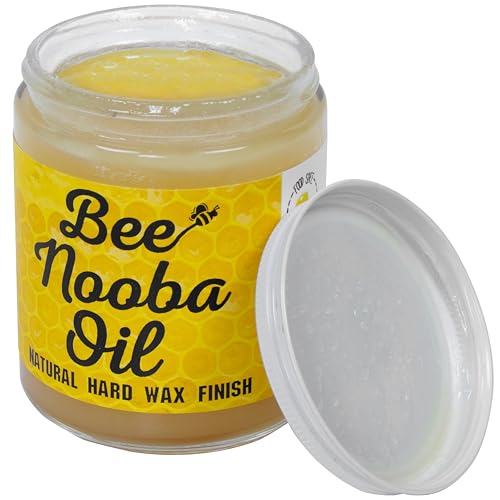
I recommend creating a custom wax or oil blend to enhance the appearance of your wooden piece while softening its hue. Combining beeswax with mineral oil creates a beautiful finish that offers protection and a slight sheen. Start by melting approximately one part beeswax in a double boiler, and then mix in three parts mineral oil. Stir until well blended, and transfer the mixture to a container to cool.
Application Process
Once cooled, apply the wax-oil mixture to a small section using a soft cloth, working it into the wood grain. Allow it to sit for about 15 minutes before buffing with a clean, dry cloth. This technique not only diminishes the intense shade but also nourishes the wood, enhancing its natural texture.
Maintenance Tips
Reapply this treatment every few months or as needed, especially in high-traffic areas. The regular application will help maintain a subtle finish while continually improving the overall aesthetic of your treasured item.
Incorporating Textiles to Balance Brightness
To achieve a more harmonious aesthetic, integrate a variety of fabrics that complement the lively hues of your wooden pieces. Consider soft materials like linen, cotton, or wool to bring texture and warmth to the space.
Introduce cushions and throw blankets in neutral tones or pastel shades, effectively muting the intensity of the existing decor. Patterns such as geometric designs or subtle florals can create visual interest while toning down the overall brightness.
Pair heavier fabrics for curtains or drapes, balancing light from windows and adding depth to the atmosphere. Choose earth tones or muted colors to provide a calming backdrop.
Use area rugs strategically underneath seating arrangements. Select rugs with darker shades or more complex patterns to help ground the room and offset the brightness of wooden elements.
When selecting textiles, consider layering different textures and colors. This interplay can create a sense of coziness while reducing the attention on the bold features of your furnishings.
| Type of Textile | Recommended Colors | Purpose |
|---|---|---|
| Cushions | Neutrals, Greens, Soft Blues | Add comfort and soften the look |
| Throws | Earthy Tones, Pastels | Create layers and texture |
| Curtains | Muted Shades, Darker Hues | Control light and provide privacy |
| Area Rugs | Darker Colors, Complex Patterns | Ground the room and unify the decor |
Embrace the versatility of textiles to achieve a visually appealing and balanced atmosphere, making your bright wooden elements feel more integrated into the overall design.
Choosing Complementary Accessories for Pine Decor
When accessorizing a space with warm-toned wood elements, I find it beneficial to focus on colors and textures that harmonize without overwhelming the existing palette. Consider these options:
- Neutral Color Scheme: Incorporate accessories in shades like beige, gray, or soft whites. These tones provide a serene background and allow the wood to stand out without clashing.
- Natural Textures: Use materials such as linen, cotton, or jute to introduce depth. Textiles in these natural fibers can soften the overall look and create visual interest.
- Earthy Tones: Adding accents in muted greens or deep browns complements the warm hues of wood, creating a cohesive and inviting atmosphere.
- Metal Highlights: Consider integrating accessories in brushed nickel or matte black. These contrasts add modern flair and balance the warmth of the wood.
- Complementary Artwork: Select paintings or prints that feature cooler tones or abstract designs. They can break up the warmth and introduce new focal points.
Personalize the space further with organic elements like plants or botanical prints, introducing a refreshing, natural feel that offsets the warmth effectively.
Maintaining Your Refinished Pieces
I recommend cleaning your newly finished items regularly using a soft, lint-free cloth to avoid scratches and preserve the surface treatment. For stubborn stains, a mild soap solution can effectively lift dirt without damaging the finish. Always test any solution in an inconspicuous area first.
Protective Measures
Using coasters and placemats is essential. They help to prevent unexpected stains and scratches. Consider applying a thin layer of protective wax every six months, as this can enhance the overall appearance while adding a layer of defense against fading.
Environmental Considerations
Keep these pieces away from direct sunlight and areas with high humidity. Fluctuating environmental conditions can lead to warping and color changes. A dehumidifier in humid areas can make a significant difference.
| Action | Frequency |
|---|---|
| Clean with a soft cloth | Weekly |
| Inspect for damage | Monthly |
| Reapply protective wax | Every 6 months |
| Avoid direct sunlight exposure | Always |
Evaluating Professional Help for Furniture Refinishing
Hiring a specialist can significantly enhance the outcome of dealing with bright wood pieces. When seeking professional assistance, focus on a few key factors to ensure you find the right expert.
Assessing Expertise
- Review portfolios showcasing previous work similar to your project.
- Check for customer testimonials and case studies to judge satisfaction levels.
- Inquire about certifications or training related to wood finishing.
Understanding Processes and Materials
- Ask how they plan to modify the hue without compromising the wood’s integrity.
- Discuss the types of finishes and treatment options they offer, ensuring they align with your vision.
- Confirm the use of non-toxic and sustainable products if that’s a priority for you.
Evaluate quotes carefully, looking for transparency in pricing for labor and materials. A detailed estimate helps avoid unexpected expenses. Finally, ensure clear communication about timelines and expectations prior to starting the project. This approach minimizes the risk of disappointment and enhances the final result.
FAQ:
What are some effective methods to tone down the orange color of pine furniture?
To tone down the orange hue of pine furniture, you can consider several methods. One popular approach is to use a stain in a darker or cooler shade, which can neutralize the orange tone. Another option is to apply a glaze over the existing finish, which can add depth and a toned-down color. A coat of white or gray paint can also help to soften the orange if you’re looking for a more dramatic change. Lastly, using a polyurethane finish with a tint can provide protection while altering the color to give it a more subdued appearance.
Can I change the color of my orange pine furniture without stripping the finish?
Yes, you can change the color of orange pine furniture without stripping it down completely. Using a wood stain or a tinted glaze can be effective in covering the original color without the hassle of removing the existing finish. Make sure to clean the surface thoroughly before applying any new products, and use a test area to see how the color reacts before committing to the entire piece.
What type of paint would work best for covering orange pine furniture?
For covering orange pine furniture, a high-quality chalk paint or acrylic latex paint can work well. Chalk paint adheres easily to existing finishes and often requires little to no primer, making it a convenient choice. Acrylic latex paint offers durability and is available in numerous colors that can mask the orange tones effectively. It’s advisable to use a primer if you’re going with a lighter color to ensure good coverage.
How long does the process take to tone down pine furniture?
The time it takes to tone down pine furniture depends on the method you choose. If you’re applying a stain or glaze, it can typically take a few hours to prepare, apply, and dry between coats. Painting may take longer due to the need for priming and multiple layers to achieve an even finish, possibly taking a day or two. Allowing the final coat to cure can add additional days before putting the furniture back to use, so plan accordingly.
Are there any specific products recommended for toning down orange pine furniture?
Yes, there are several products available that can help tone down orange pine furniture. Look for stains like Minwax’s Jacobean or Dark Walnut, which can help reduce the orange tint. Products like General Finishes’ Gel Stains are also popular for their ease of use and variety of colors. For a painted finish, consider brands like Annie Sloan Chalk Paint for a broad color range that can effectively cover unwanted hues. Always conduct a test on a small area before applying to the entire surface.
What are some simple techniques to reduce the brightness of orange pine furniture?
One of the easiest ways to tone down the brightness of orange pine furniture is to apply a darker stain. A walnut or cherry stain can help shift the color to a more muted tone. If you’re looking for a less permanent solution, consider using a wood conditioner followed by a beige or grey-toned wash, which can soften the color without fully altering the wood. Another approach is to use decorative accessories like darker cushions, throws, or artwork, which can balance out the bright orange without the need for refinishing the furniture.


