
 Caleb Turner

The first step in recognizing genuine timber is to inspect the surface closely. Authentic wood usually exhibits natural variations such as knots, grain patterns, and color differences. If the surface appears overly uniform, it’s likely engineered material or laminate. Run your fingers across the surface; real wood feels warm and inviting, while synthetic options may feel cold or overly smooth.
Next, check the weight. Solid timber tends to be heavier than its faux counterparts. Picking up a piece can often be the quickest way to ascertain its authenticity. For instance, if a shelf feels lighter than expected, it may be made from composite materials instead of solid planks.
Examining the edges and joints reveals additional clues. Solid lumber typically has visible joints that expose its construction method, while pressed wood might show a clean cut with no visible assembly. If there’s any veneer, look closely for signs of chipping or peeling; real wood is less prone to these issues.
Lastly, consider the price. Although not a definitive rule, genuine timber usually comes with a higher price tag. If a piece is marketed as solid wood but is significantly inexpensive, approach with caution and verify its authenticity through these practical methods.
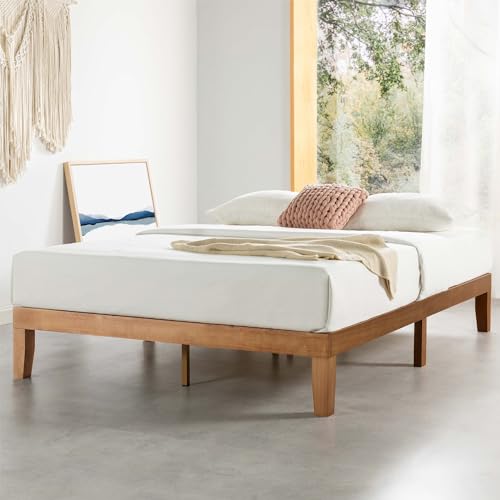

Identifying the Grain Patterns of Natural Wood
Examine the surface closely; grain patterns reveal much about authenticity. Each species has its distinct pattern. Oak presents a prominent grain with long lines and deep ridges, while maple typically appears smoother with a more subtle figure. Pine displays widely spaced knots and a lighter hue, leading to a rustic aesthetic.
Recognizing Specific Patterns
Look for irregularities. Genuine materials boast varying textures and imperfections due to natural growth processes. If the surface feels uniformly flat and consistent, it may indicate imitation products. For instance, cherry wood exhibits a fine, straight grain that darkens beautifully with age, making it easy to identify.
Observing Color Variation
Natural types have color variation; real timber can reflect subtle shifts in shade. Examine the edges–authentic pieces might show different hues or undertones, which is less common in synthetic alternatives. A rich walnut will have dark brown tones with lighter flecks, whereas imitations often fail to capture this depth.
Checking for Solid Versus Veneer Construction
Examine the edges and corners of the piece. If the material is solid, you’ll notice the same grain and color throughout. In contrast, a veneer will show layers where the thin slice of wood is glued onto a core material.
Weight and Feel
Assess the heft of the item. Solid options typically weigh more due to their density. Lightness might indicate a plywood or particleboard core with a veneer layer.
Surface Observation
- Inspect for imperfections. Authentic craftsmanship may highlight small knots or irregularities.
- Run your hand over the surface. Solid material will feel warm and smooth, while veneer might feel slightly cold due to the underlying substrate.
- Look for expansion joints. Solid wood often has them to allow for natural movement, whereas veneer surfaces do not.
Additionally, check the underside and back. If the construction shows undulating layers, a sign of veneer, solid craftsmanship will reveal an even and consistent structure.
Examining the Weight of the Furniture
Assessing weight provides insight into whether a piece is constructed with authentic timber. Solid structures typically weigh significantly more than alternatives made with composite materials or particle board.
I recommend lifting the item to gauge its heft. A substantial piece often indicates the use of genuine timber. For instance, a standard dine table crafted from oak or maple should feel solid and reassuringly heavy. If the item feels light and flimsy, it’s likely a replica or engineered product.
In addition, when comparing similar styles, be aware of variations in weight. If two identical-looking items differ by several pounds, the heavier one is likely the more authentic option. Keep in mind that while thickness can affect weight, genuine craftsmanship usually results in a denser, weightier feel.
Lastly, remember that weight alone isn’t definitive proof. Always combine weight assessments with grain pattern evaluations and checks for construction methods to confidently determine authenticity.
Assessing the Smell of the Material
In my experience, one of the most telling indicators of authenticity is the scent. Natural timber emits a distinct, earthy aroma that is often absent in synthetic alternatives. When evaluating a piece, lean in and take a deep breath near the surface. Here are key points to consider:
- Natural Odor: Genuine timber has a rich, organic smell. This scent can vary based on the type of tree–cedar, for instance, carries a sharper fragrance compared to oak.
- Chemicals and Varnishes: If a piece has a strong chemical or artificial scent, it likely contains man-made components or synthetic finishes. Look for subtle, natural fragrances instead.
- Age Factor: Older pieces might possess a more developed scent due to the natural aging process. The wood has absorbed odors over time, which can add to the authentic character.
- Absence of Smell: A completely odorless item may indicate fake materials. Authentic timber always has some smell, even if it’s faint.
By focusing on the scent, I can quickly gauge the likelihood of whether an item is crafted from genuine timber or an imitation product. It’s a straightforward yet effective method to differentiate quality craftsmanship.
Looking for knots and imperfections
Investigating knots is a straightforward way to identify authentic timber. Genuine materials often feature these irregularities, which are formed as branches grow. Check the surface for any small bumps or inconsistencies in color. If knots are present, it signifies that the piece likely originates from solid stock, enhancing its individuality.
Additionally, examine the overall finish. Authentic creations may have visible imperfections such as small cracks or color variations. These details add character and are signs of craftsmanship, contrasting sharply with engineered alternatives that tend to have uniform appearances.
To determine the authenticity further, assess the joints and corners. Nature’s fibrous structure might display knots where branches were cut, while composites will often feature paste or seamless edges, lacking any organic signs.
| Characteristic | Authentic Wood | Engineered Materials |
|---|---|---|
| Knots | Present | Absent |
| Surface imperfections | Varies | Uniform finish |
| Joint quality | Natural joints with knots | Smooth, seamless |
Look closely; these specific indicators can reveal the true nature of the piece, ensuring you appreciate the uniqueness of the timber used.
Inspecting Edges and Joints for Craftsmanship
Examine the edges and joints closely. Quality pieces typically feature precise cuts and smooth edges, indicative of skilled construction techniques. If the edges are rough or uneven, it suggests a lack of attention to detail.
Types of Joints
Look for traditional joint types such as mortise and tenon, dovetails, or even tongue and groove. These connections provide strength and stability. If you spot staples or glue only, the piece may not offer the same durability.
Finish Quality
A finely crafted item will have an even finish at the joints, without noticeable gaps or inconsistencies. Check for seamless transitions where the wood pieces meet; this is a strong indicator of craftsmanship and high-quality materials.
Researching the wood type used in the piece
Begin by identifying the specific species of timber utilized in the item. Each type has distinct characteristics that can aid recognition. For instance, oak is known for its pronounced grain and durability, while pine is softer and often features a lighter hue.
Utilizing Online Resources
Online databases and resources such as the USDA Forest Service or woodworking websites provide detailed descriptions and images of various tree species. Searching for images of specific grain patterns or colors can help confirm suspicions about the material.
Consulting Local Experts
Visit local woodworking shops or join community forums where experienced artisans can offer insight into identifying types of timber. Their expertise can provide information on regional varieties and the typical characteristics of woods commonly used in craft.
Reviewing Manufacturer Labels and Certifications
Before making a purchase, I always check the manufacturer’s label for information regarding the materials used. Reputable brands often indicate whether the product includes solid hardwood or composite materials. Look for terms like “100% solid,” which usually signifies high-quality materials. Conversely, if the label mentions “particle board,” “MDF,” or “plywood,” it likely contains only a veneer layer over less desirable substrates.
Certifications can provide further assurance. I prioritize products that bear certifications such as the Forest Stewardship Council (FSC) label, which indicates responsible sourcing practices. Other certifications like GREENGUARD suggest low emissions of harmful chemicals, showcasing a commitment to sustainability that often accompanies quality craftsmanship.
In addition, I read reviews or look for third-party evaluations of the manufacturer, which can provide insight into their reputation and reliability. Knowing that a label represents a respected brand offers additional confidence in the authenticity of the item.
Understanding the Price Point for Quality Wood Furnishings
Investing in high-quality wooden pieces often involves a significant financial commitment. Typically, the price reflects the craftsmanship, material type, and construction technique used. I’ve found that solid hardwood options, like oak or maple, are generally more expensive due to their durability and longevity.
Examine the pricing of similar items. Comparing costs across various retailers can be insightful. Look for pieces that match similar specifications and finish. If one item stands out as significantly cheaper, it might indicate lower quality materials or construction.
Consider the maker’s reputation. Established brands known for their commitment to quality usually carry a higher price tag, but this often correlates with better longevity and craftsmanship. Items manufactured with sustainable practices may also command a premium price, reflecting ethical sourcing.
Discounts or sales on wooden furnishings can sometimes be a red flag regarding quality. If a deal seems too good, investigate the item further before purchasing. Authentic wood products retain their value better over time, even after years of use.
In summary, quality wooden pieces often have a price point that matches their durability, craftsmanship, and ethical production practices. Estimating the value based on these factors has been invaluable in my purchasing process.


