
 Caleb Turner

Inspect both weight and density–authentic timber is typically heavier than its composite counterparts. If an item feels light, it might be made from engineered materials rather than solid cuts. Use a measuring tape to check dimensions, as solid planks are often crafted with precision while man-made products can have uneven sizes.
Look closely at the grain patterns; genuine timber exhibits unique variations that provide character. Check for knots, whorls, and color variations, which indicate natural growth. Synthetic materials tend to have a uniform appearance, lacking the distinctiveness found in real grains.
Knock gently on the surface. A solid, deep sound often signifies quality wood, while a hollow sound could point to a less authentic piece. Additionally, examine the joints and edges. Real timber showcases meticulous craftsmanship, with joints fitting seamlessly and edges remaining smooth, in contrast to the glued-together sections of cheaper alternatives.
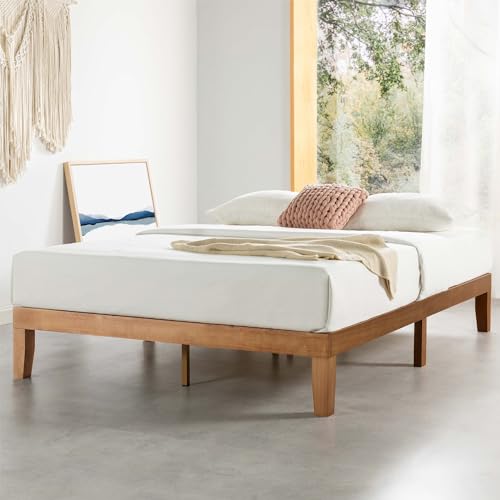

A final check involves inspecting the finish. Authentic designs usually reveal a natural look that enhances the wood’s beauty, while synthetic items often display a shiny, overly polished surface that conceals imperfections.
Inspect the Surface Grain Patterns
I examine the grain structure carefully. Authentic materials exhibit unique patterns, often varying across different sections. Each piece should showcase distinct characteristics and imperfections that synthetic options typically lack.
Look for irregularities such as knots, swirls, or varying widths. Authentic surfaces possess depth and texture; they feel warm and organic to the touch. Conversely, man-made alternatives often display uniform patterns devoid of natural variation, sometimes appearing overly smooth or plastic-like.
Pay attention to the finish. Real items generally have a finish that enhances the grain, rather than concealing it. I also check for the presence of a veneer, which consists of a thin layer applied over less valuable materials. If the grain patterns abruptly change at the edges, revealing a different material beneath, it’s a clear sign of a veneer.
Finally, conduct a visual test in various lighting conditions. Genuine materials can shift in appearance with different light angles, showcasing the beauty of natural variations. Artificials often remain consistent regardless of light, lacking the sophistication of true craftsmanship.
Check for Knots and Natural Imperfections
Inspect the item closely for knots and other organic anomalies. Knots indicate the presence of wood growth and reveal that the material is solid, as opposed to engineered alternatives. Authentic timber often showcases more than just a polished appearance; it’s marked by unique traits such as unevenness, grain variations, and color inconsistencies.
Look for small cracks and fissures, which add to the character and history of the piece. While some manufacturers may replicate these features for aesthetics, genuine lumber will exhibit them in a natural way. Synthetic materials usually lack such imperfections or feature uniformity in appearance.
Handling the surface can also provide clues. The presence of a knot typically feels distinct; it might be slightly raised or textured compared to the surrounding area. Remember, the irregularities in a solid piece of timber contribute to its overall charm and uniqueness.
Look for Stains and Seals
Check for any signs of stains or protective seals on the surface. Authentic timber typically showcases natural finishes that enhance its appearance, while synthetic alternatives often sport glossy coatings or uniform paint. If a piece has a heavy lacquer or an unnatural sheen, chances are it isn’t crafted from solid lumber.
Types of Stains
Natural stains enhance the grain and texture, revealing the underlying material’s character. In contrast, mass-produced items might use artificial dyes or uniform finishes. Use the following table to distinguish between the two:
| Type | Characteristics | Example |
|---|---|---|
| Natural Stain | Enhances grain, maintains texture, subtle variations | Cherry wood with a light oil finish |
| Artificial Stain | Uniform appearance, glossy sheen, obscures grain | Glossy black laminate coating |
Examine Seals
Inspect the edges and joints for any protective seals. Genuine pieces might display minimal seam lines and uneven edges due to handcrafting, while imitation versions usually have perfectly finished edges and consistent sealing, indicating mass production. Observing these details can help you identify authentic craftsmanship.
Assess the Weight of the Furniture
Heft plays a significant role in distinguishing solid materials from alternatives. Heavier pieces often indicate density linked to natural sources. Pay attention to the following tips:
- Lift the item if possible. Genuine timber structures will typically weigh more than their imitation counterparts, due to the density of authentic materials.
- Compare items of similar size. If an object feels lighter than expected, it might be constructed from particle board or plywood rather than solid timber.
- Consider the dimensions; smaller pieces may not showcase the difference in weight as clearly as larger items like tables or cabinets.
When assessing weight, think beyond just lifting. The mass also contributes to the item’s stability and durability. Quality craftsmanship often means a noticeable heft.
Examine the Edges and Corners
Inspect the edges and corners closely. Genuine materials often exhibit slight imperfections. Look for irregularities or variations in alignment that reveal hand-crafted touches. Synthetic products may have consistent, uniform edges, while authentic wood showcases natural curves and angles.
Check for Joint Construction
Pay attention to how the sections are joined. Traditional techniques like mortise and tenon or dovetail joints are indicators of quality craftsmanship. On the contrary, if you observe straight cuts and fasteners, it’s likely a sign of manufactured alternatives.
Feel the Texture
Run your fingers along the edges. A genuine item will feel smooth yet might have subtle textures, while imitation materials often possess a harder or overly polished surface. A tactile examination can provide hints about authenticity.
Identify the Type of Finish Used
I examine the finish on the surface to determine authenticity. A hand-rubbed oil finish usually feels warm to the touch, highlighting the natural grain. In contrast, lacquer gives a glossy, smooth surface that often indicates a manufactured product. If the surface is glossy and overly shiny, or feels plastic-like, it may suggest it’s not solid material.
Testing for Sheen
I run my fingers over the surface, noting the level of sheen. Natural oil finishes tend to have a matte appearance, while polyurethanes can appear shiny or overly reflective. If the sheen is consistent across the item, it may indicate a machine-applied finish, typically found in engineered options.
Assessing Staining Techniques
<p To distinguish craftsmanship, I look closely at how color has been applied. Stains that highlight the grain often indicate higher-quality production. If the color appears to be one-dimensional without depth, it might hint at a synthetic alternative. Checking for unevenness or drips can also indicate less skilled application, potentially signifying a composite material.
Conduct the Knocking Test
I recommend performing a knocking test to determine the authenticity of the material. Gently tap the surface with your knuckles. A solid, deep sound often indicates a genuine product, while a hollow, echoing sound suggests the presence of engineered materials or composites.
How to Perform the Test
Choose a few areas on the piece and apply a moderate amount of force. Listen carefully to the noise produced; a distinct thud implies a full structure, whereas a high-pitched, hollow sound is a warning sign. This method can reveal a lot about the underlying compositions.
Additional Considerations
I verify the sound quality from different angles. A consistent thud reinforces the authenticity, while variations in sound may signal mixed materials. Combining this method with other assessments strengthens my conclusions about the item’s true composition.
Research the Manufacturer’s Claims
Examine the documentation provided by the manufacturer. Reliable brands often disclose the materials used in their products clearly in their marketing materials or on their websites. Ensure that the information matches what you observe physically.
- Check product specifications for details on the type of materials employed.
- Look for certifications, such as those from the Forest Stewardship Council (FSC), indicating sustainable sourcing of the timber.
- Read customer reviews to gauge experiences related to the authenticity of the materials.
Communicate directly with the manufacturer for clarity if claims seem vague or ambiguous. Genuine producers value transparency and should be willing to address inquiries regarding their products.
Investigating potential red flags is also key. Companies that avoid details on material composition might indicate less reliability. Take note of any inconsistencies across different platforms regarding the product’s characteristics.
Overall, a thorough understanding of the brand’s commitment to authenticity will aid in making an informed choice regarding your selection.


