
 Caleb Turner

To determine the period of a piece crafted with this distinctive connection method, examine the workmanship closely. Antique pieces typically showcase hand-cut joints, characterized by their irregularities–each joint tells a story of manual labor and time. Look for the precision: earlier examples may exhibit an array of varying sizes and shapes, while later iterations often reflect mechanization with more uniformity.
Next, observe the spacing between the joints. In historical creations, the distance tends to be wider, sometimes up to ¾ inch, whereas modern designs favor tighter spacing, often around ¼ inch. An additional clue can be found in the wood itself. Older materials may display signs of distress or weathering, which can be indicative of age. The patina on the surface usually reveals a depth that newer finishes lack.
Finally, assess the overall construction quality. Authentic hand-crafted items often possess subtle inconsistencies that signal authenticity. Seek out the nuances in the joinery, as these imperfections are the hallmark of skilled craftsmanship from a bygone era. Each piece carries its own narrative, waiting to be uncovered through careful examination.


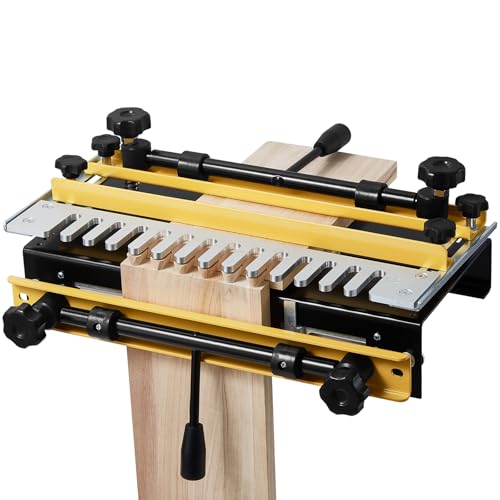
Identifying Time Periods Through Joint Construction
Examine the joinery techniques closely. If you spot hand-cut joints, it often indicates a creation prior to the 19th century. Machines began taking over in the 1800s, leading to standardized manufacturing methods. Look for irregularities in the joints; these subtle variations suggest craftsmanship typical of earlier periods.
Joint Styles to Note
Consider the characteristics of the joints themselves. Sliding dovetails, typically found in older pieces, were favored for their strength in cabinetmaking before the mid-20th century. If you encounter fine, closely spaced tails, you may be looking at 18th-century work. More careless or wider spacing often signals the 19th or 20th century.
Material Analysis
Assess the materials used in the construction. Solid hardwoods indicate older craftsmanship, while engineered woods and plywood became prevalent during the mid-20th century. If the joints are made from rare timber, it may suggest an earlier era, as specific woods were favored in different periods. Antique pieces frequently feature woods like walnut or mahogany, which were popular before synthetic materials took precedence.
Identifying Different Types of Dovetail Joints
I focus on several prevalent variations of interlocking joints, each revealing characteristics indicative of craftsmanship and timeline of creation. Recognizing specific types can provide insights into the era and technique applied.
| Joint Type | Description | Era |
|---|---|---|
| Through Dovetail | Identified by visible, interlocking pins on both sides, offering strength and stability. Often found in drawer construction. | Common from the 18th century onwards. |
| Half-Blind Dovetail | Pins are visible on the front side but not on the back, frequently used for drawer fronts, providing an aesthetically pleasing finish. | Prevalent in the 17th and 18th centuries. |
| Sliding Dovetail | This joint allows one piece to slide into another, ideal for shelves or dividers, facilitating easy assembly and disassembly. | Used throughout various periods, especially in more utilitarian pieces. |
| Half-Dovetail | This form reveals only one side of the joint, typically utilized for more intricate designs. Often paired with decorative elements. | Prominent in late 19th to early 20th century craftsmanship. |
| Blind Dovetail | No visible signs on the outer surface; creates a seamless appearance. Common in high-quality cabinets. | Found in early 20th century pieces. |
By paying attention to these distinctive characteristics, I can discern the historical context and manufacturing techniques involved in the creation of various items.
Analyzing Joint Construction Techniques Over Time
Understanding how the construction methods of joints have progressed assists in the identification of various periods in craftsmanship. Beginning in the 17th century, carpenters utilized basic interlocking techniques, focusing primarily on functionality rather than aesthetics. The earliest examples featured simpler forms that prioritized strength over visual appeal.
Transition to Classic Styles
By the 18th century, a shift occurred towards more refined joint designs, such as the introduction of intricate patterns. The craftsmanship became more detailed, with an emphasis on symmetry and artistry. The dovetail formations developed a more elaborate appearance, often embellished through detailed cutting techniques, reflecting the evolving tastes of consumers. The precision in these joints also indicated the tools available at that time, with hand tools giving way to more sophisticated machinery, improving accuracy in manufacturing.
Modern Techniques and Industrialization
The 19th century heralded an era of industrialization, leading to innovations in joint construction. Techniques became standardized, and mass production began to affect the quality of craftsmanship. Joints from this period often exhibit less individuality, showcasing uniformity in manufacture yet lacking the personal touch found in earlier pieces. Observing these characteristics can provide insights into the timeline of the piece’s creation.
As I analyze these construction techniques over time, I find it essential to look closely at their evolution. Each period contributes to a broader understanding of not just the furniture itself but the cultural and technological advancements that influenced its creation. This approach allows for a more nuanced appreciation of pieces and their makers.
Recognizing Material Variations in Dovetail Joints
Identifying the material used in joints enhances understanding of craftsmanship and origin. Different types of wood reveal distinct characteristics, which can indicate the era and technique employed. Here are some key points to consider:
- Hardwoods vs. Softwoods: Most high-quality joins feature hardwoods like oak, walnut, or cherry. These woods are more durable and typically used in older, premium pieces.
- Wood Grain Patterns: The grain can provide insights into the nature of the wood. A tight, straight grain often suggests a higher quality material, while more irregular patterns may indicate a lower-grade wood.
- Staining and Finishing Techniques: Observe the finish on the joint areas. Older styles may exhibit natural oiled finishes, while modern pieces frequently have sprayed finishes that can obscure the wood’s characteristics.
- Presence of Knots: Natural defects like knots are common in less refined pieces. Their absence may suggest a selectivity in material quality during fabrication.
Species-Specific Indicators
Certain species have unique identifiers:
- Mahogany: Rich reddish-brown coloring with a fine, straight grain. Often used in high-end projects from the 18th and 19th centuries.
- Pine: Light-colored, with yellowish tones, often associated with mass-produced items. Less durable and more prone to wear.
- Maple: Known for its hardness and light, creamy color. Frequently used in 20th-century pieces and often indicates modern production techniques.
Determining material variations allows a deeper appreciation of craftsmanship and can guide further research into a piece’s provenance. It’s not just about the joint itself, but the wood that forms it–each tells its own story.
Understanding Regional Styles of Dovetailing
To identify regional characteristics in joint craftsmanship, examine the angles and shapes of the connectors. For instance, American pieces, especially from the late 19th century, often exhibit a distinctive tapered and shallow form. In contrast, European artisans, particularly in England, may favor a more robust, angled design.
Observe the spacing between the joints. French creations from the 18th century tend to use closely spaced connectors, which reflects their meticulous approach. Scandinavian styles often employ larger gaps, revealing a more straightforward and functional design philosophy.
The materials used can also indicate regional influences. For example, walnut is common in American cabinetry, while oak is prevalent in British and Scandinavian designs. Additionally, the use of exotic woods in certain regions may suggest a colonial influence or trade relationships.
Pay attention to decorative elements around the joints. The detailing and embellishments can tell a lot about the region of origin, with Italian craftsmanship showcasing ornate features compared to the simpler styles seen in German pieces.
Finally, consider the overall construction techniques. A combination of machine and handwork is typical in American manufacturing in the 20th century, while older European styles often rely heavily on hand tools, reflecting the traditions of their time.
Evaluating Signs of Wear and Tear on Dovetails
Examine the edges of the joints closely. Fraying or chipping along the edges indicates frequent usage, suggesting the piece is older. Smooth surfaces, in contrast, reveal less interaction, pointing towards newer creation.
Inspecting Joint Stability
Check for movement in the connections. Signs of looseness, such as gaps, imply wear over time. Sturdy joints with minimal wiggle reflect craftsmanship that may be relatively new.
Identifying Finish Damage
Observe the finish surrounding the connections. Scratches, dents, or discoloration signify prolonged handling and potential age. A well-preserved finish indicates recent production, while worn areas hint at longevity.
Additionally, assess the internal corners of the construction. Dust accumulation or visible deterioration can point to age, whereas clean corners suggest recent assembly.
Finally, take note of any repairs. Signs of patchwork or restoration work could reveal a history of usage, further helping establish the timeline of the item’s existence.
Connecting Dovetail Features to Historical Timeframes
Examine the type of joints and their specific characteristics to date a piece accurately. For example, if I encounter a fine, slender dovetail with very tight spacing, it often indicates a creation from the late 18th to early 19th century. Notably, these joints were crafted with precision and a level of craftsmanship that reflects the furniture-making standards of that time.
Broader, thicker joints often suggest a later date, commonly seen in the mid-19th century onwards. At that point, mass production techniques started influencing craftsmanship, leading to less intricate designs. The shift from hand-cut joints to machine-made alternatives can sharply highlight the timeline of production.
Particular attention to the angles of the joints also provides clues. For instance, a more acute angle may signify older pieces, as artisans historically preferred sharper angles for stronger connections. Conversely, wider angles may appear in later centuries as designers prioritised ease of assembly over structural integrity.
Regional styles further assist in establishing timeframes. For example, New England furniture typically exhibits distinctive dovetailing techniques compared to Southern pieces. Understanding these regional variations can serve as a significant tool for pinpointing the origin and period of manufacture.
Being aware of the materials also illuminates the connection to specific eras. Older items primarily used hardwoods like oak, while the later introductions of softer woods signify a different time, often aligned with a rise in accessibility and changes in consumer preference.
To piece together the puzzle, always correlate joint styles with additional features of the item. This holistic view can validate the estimated timeframe, ensuring an accurate interpretation and appreciation of the craftsmanship and its historical context.


