
 Caleb Turner

Begin with a thorough cleaning. Ensure all pieces are free from dirt and debris, as this will prevent mold growth and unpleasant odors during storage. For metal items, a rust inhibitor can be applied to maintain their integrity.
Disassemble any stackable or portable items. Taking apart chairs and tables can save a substantial amount of space, allowing for efficient organization. Keep screws and small parts in labeled bags to avoid misplacement.

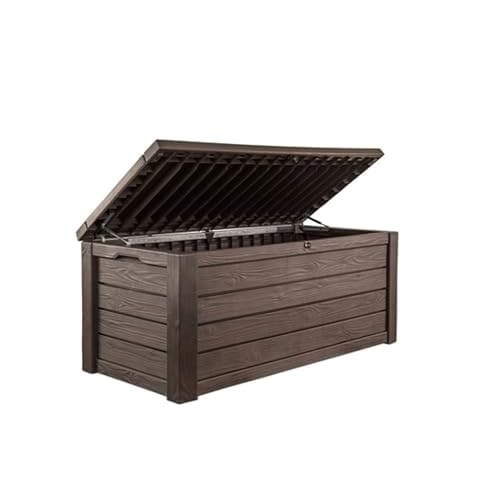
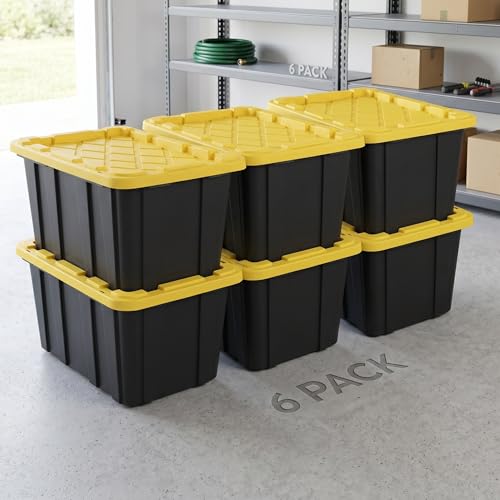
Utilize protective covers. Covering each piece with a breathable fabric can shield them from dust and scratches. Avoid plastic wraps, as they can trap moisture, leading to potential damage.
Assign specific zones for different types of items within your indoor area. Categorizing by material and size improves accessibility and simplifies retrieval in future outdoor seasons. Heavy pieces should be placed at the bottom, with lighter items on top for stability.
Consider vertical storage solutions. Using wall-mounted racks or hooks can maximize your area and create a tidy environment. This method removes clutter and keeps everything visible for easy access when the time comes to reintroduce them outdoors.
Storing Outdoor Seating and Tables in a Sheltered Space
First, I ensure all pieces are thoroughly cleaned and dried to prevent mold growth. I use a mixture of mild soap and water for washing, followed by a gentle rinse. This step is crucial to extend the life of my items.
After drying, I take care to disassemble any stackable pieces, such as chairs and tables, to maximize space. I keep screws and small parts in labeled bags for easy reassembly later. For items that can’t be taken apart, I arrange them in a manner that minimizes their footprint.
Next, I utilize furniture covers made of breathable materials to protect against dust and moisture while allowing air circulation. For delicate items, I wrap them in moving blankets or towels to avoid scratches.
I organize everything by placing larger items in the back and smaller ones in the front for convenient access. Vertical space is my ally; I hang lightweight items or use wall hooks creatively to save ground area.
Additionally, I place heavy items on bottom shelves and lighter ones on top to maintain stability. If using bins for accessories like cushions or decorative elements, I ensure they are waterproof and stackable.
Finally, I keep a checklist of all items placed in my designated area, so nothing gets lost, and I’m prepared for the next outdoor season. This systematic approach not only safeguards my investment but also ensures everything is quick to retrieve when the weather calls for outdoor relaxation.
Assessing Available Space for Furniture Storage
First, take accurate measurements of your space. Knowing the dimensions of both the interior and any obstacles, such as shelves or vehicles, will help determine a viable layout.
Next, categorize items based on size and shape. Grouping similar pieces allows for better stacking and arrangement, maximizing available area. Take into account any furniture that can be disassembled. Items with removable legs or cushions can be stored more compactly.
Identify vertical storage options. Utilize wall space with hooks, shelves, or racks to elevate smaller items off the ground. This can free up valuable floor area for larger pieces.
Consider mobility. Use casters or dolly carts for easy repositioning. This not only aids in initial placement but also facilitates quick access when needed.
Lastly, plan for easy access. Avoid cluttering pathways with larger items, ensuring that frequently used pieces are reachable without hassle.
Cleaning Outdoor Seating and Tables Before Storage
Thoroughly clean each piece before packing it away. For metal components, a gentle soap solution and a non-abrasive sponge work well. Rinse with water and dry completely to prevent rust. For plastic or resin items, wipe them down with a mix of water and vinegar to tackle stains and dirt. Use a soft brush to get into crevices.
Attention to Natural Materials
If any parts are wooden, applying teak oil or a protective sealant can enhance longevity. Scrub with a mild detergent, rinse, and allow them to dry fully before treatment. This step reduces moisture absorption during storage.
Cushions and Fabrics Maintenance
For cushions, remove covers and follow the manufacturer’s instructions for washing. Ensure to dry them completely to avoid mildew. Store fabric items in breathable bags instead of plastic to maintain freshness. Keep everything clean for a better condition next season.
Disassembling Furniture for Easier Storage
I find that breaking down larger items significantly simplifies the storage process. Start by gathering necessary tools: a screwdriver set, wrench, and any required Allen keys. This ensures I have everything on hand to disassemble pieces efficiently.
For items with multiple sections, label the parts as I go. Using masking tape, I write down the item name or its corresponding location in the overall structure. This saves me time later when I want to reassemble them.
Step-by-Step Disassembly Process
Begin with removing cushions or any fabric elements. These can be packed separately, reducing the chance of damage. Next, tackle tables by unscrewing legs from the tabletop. Keep screws and attachments in small bags to avoid losing them.
Chairs often have removable seats or backs; unscrewing those provides ample space. If it’s a complex piece, I take photos during disassembly. This serves as a visual reference during reassembly, helping me remember the correct order of parts.
Storage Recommendations
Once disassembled, I organize parts by size and type. Smaller components can be stored in clear bins to keep everything visible and accessible. Larger sections can lean against a wall or stack together, maximizing space. Covering disassembled elements with blankets or furniture pads can prevent scratches and scuffs during storage.
Using Protective Covers for Stored Furniture
I highly recommend investing in high-quality protective covers for your outdoor pieces before placing them in a confined area. These covers act as a barrier against dust, moisture, and potential scratches.
- Choose covers made of breathable fabrics to prevent mildew and mold buildup.
- Ensure the covers fit snugly; loose covers can catch dust and allow moisture in.
- Select UV-resistant materials to minimize fading if your belongings are exposed to sunlight during storage.
- Consider waterproof options, especially if you live in a humid climate or areas with temperature fluctuations.
Before covering, clean each item thoroughly to eliminate any residues that could deteriorate the surfaces over time.
Check for additional features such as tie-down straps or buckles to secure the covers in place, preventing them from blowing away or shifting during windy seasons.
Regularly inspect the covers during the storage period to ensure they remain intact and protect the items effectively.
Organizing Garage for Optimal Furniture Placement
Begin by defining a designated area specifically for the items in question. Utilize shelving units to create vertical storage, allowing for clear paths on the floor. This helps prevent accidents and makes retrieving items easier. Arrange larger pieces against walls and stack smaller items on top or on shelves, maintaining accessibility.
I find it beneficial to categorize items. Grouping similar pieces together–like chairs, tables, or loungers–promotes efficient access during future use. Label bins or sections clearly to enhance organization and facilitate easy location finding when needed.
Employ wall hooks for lightweight items such as cushions or fabric covers. This not only saves space but also keeps them dry and out of harm’s way. Ensure that heavier items are not placed too high, reducing the risk of injury when retrieving them.
Consider the layout as a flowchart; envision how often I will need to access each item and position them accordingly. Frequently used pieces should be within reach, while those I rarely need can be stored further back.
Lastly, integrate a maintenance plan. Dedicate time every few months to reassess and reorganize. This keeps the area functional and prevents clutter from accumulating, ensuring that accessing items remains seamless and efficient. This way, I can enjoy my outdoor space with minimal hassle every season.
Utilizing Shelving and Vertical Space in Garage
Incorporating shelving units is a smart approach to maximize height and minimize floor clutter. I installed sturdy shelves that can hold multiple items while leaving ample room below for larger pieces. Choose units made of metal or strong wood to ensure durability.
To make the most of vertical space, I utilized wall-mounted brackets to hang lightweight items, such as cushions or smaller chairs. This keeps them accessible without occupying valuable ground space. I also labeled each shelf for quick identification, which improves my organizational flow.
| Type of Storage | Advantages | Tips |
|---|---|---|
| Floor Shelves | Easy access, supports heavier weights | Secure to wall for stability |
| Wall-Mounted Racks | Maximizes vertical space | Align with workbench height for convenience |
| Overhead Storage | Utilizes ceiling space, keeps floor clear | Store items seldom used |
I added pegboards to keep tools and other smaller items organized and visible, making them easy to grab when needed. This vertical solution frees up surface areas for more substantial pieces.
Lastly, always consider the weight distribution on your shelves. Heavier items should go lower to maintain balance, whereas lighter items can be stored higher without risk. This method has transformed my space into a well-organized area where access and efficiency are prioritized.
Keeping Furniture Dry to Prevent Mold and Mildew
To keep your items safe from moisture-related issues, I ensure a dry environment by using a dehumidifier in the storage area. This is particularly effective during humid months, as it reduces excess moisture levels. Additionally, I place moisture-absorbing products, such as silica gel or activated charcoal, in containers nearby to further combat humidity.
Choosing the Right Location
Selecting a well-ventilated spot is crucial. I avoid placing my belongings against walls or in corners, opting instead for areas where air circulation is optimal. Elevating items off the ground using pallets or shelves allows air to flow underneath, reducing condensation buildup.
Regular Inspections
I conduct routine checks for signs of mold or mildew, especially after prolonged storage. If any dampness is detected, I immediately address it by drying the area thoroughly. Ensuring that everything is clean and dry before placement prevents any dampness from lingering.
By actively managing moisture levels, I can preserve the quality and longevity of my outdoor seating and accessories.
Labeling and Inventorying Stored Items
Begin by creating a detailed inventory list of all items being placed in your storage area. Include descriptions, dimensions, and the condition of each piece. This proactive approach helps track what you have and makes retrieval simpler.
Effective Labeling Techniques
- Use waterproof labels for durability. Consider using a label maker for a tidy appearance.
- Organize by category, such as “seating,” “tables,” or “accessories,” to streamline the inventory process.
- Include a color coding system to quickly identify different groups of items.
Maintaining and Updating the Inventory
- Regularly update the inventory as items are added or removed; this can be done digitally or on paper.
- Conduct periodic checks to assess the condition of the items, documenting any damage or wear.
- Consider using a mobile app designed for inventory management, which can simplify tracking and organizing your belongings.
By ensuring that everything is properly labeled and inventoried, I not only make retrieval straightforward but also keep a clear overview of what is present and in what condition. This effort pays off in time saved during future use and seasonal preparations.
Planning for Seasonal Outdoor Setup and Access
I make a checklist to streamline my outdoor arrangements each season. This includes evaluating the type and quantity of items I’ll need, ensuring everything is easily accessible and ready for immediate use. I designate specific areas for frequently used items, such as cushions and umbrellas, so I can grab them quickly when needed.
<pTo maximize convenience, I choose a layout that allows for easy movement and retrieval of items. I often keep decorative elements and smaller accessories near the entrance, while larger pieces remain at the back, ensuring I don’t have to shuffle everything around.
Using clear bins or labeled boxes helps me track what’s stored. This way, I don’t waste time searching for essentials. I consistently update my inventory after every seasonal transition, which minimizes confusion and maintains organization.
Planning a timeline for transitioning items between seasons is another key aspect. I select specific dates for setup and takedown, aligning these with local weather forecasts to avoid unnecessary hassle. This proactive approach allows me to enjoy my outdoor space fully when the right climate arrives.


