
 Caleb Turner
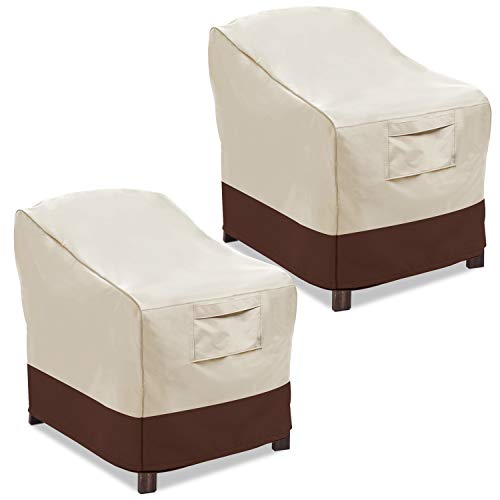
For optimal protection, I recommend utilizing specially designed covers for your garden seating and tables. These covers shield against precipitation, dust, and UV rays, significantly extending the lifespan of your items.
It is crucial to ensure that any wooden pieces are treated with appropriate sealants. This helps to prevent moisture absorption, which can lead to warping or cracking. I always check for any wear and tear before covering my pieces for the season.
If possible, elevate your chairs and tables off the ground. This simple step minimizes contact with water and provides better airflow. I find that placing them on pallets or under a covered area can make a significant difference.


Lastly, I recommend regularly inspecting the furniture for any signs of mold or mildew. Quick action, such as cleaning with a mild soap solution, keeps items in great shape through varying weather conditions.
Optimal Protection for Patio Pieces
I recommend covering items with high-quality tarps or specially designed covers to shield them from rain and UV rays. Make sure to select breathable materials to prevent moisture buildup underneath.
If space allows, elevate the seating and tables on platforms or pallets, ensuring water doesn’t accumulate underneath. This method improves air circulation and inhibits mold growth.
Grouping chairs and tables together can help minimize exposure to elements. I find it beneficial to secure them with bungee cords to prevent wind from blowing them over.
For wooden structures, consider applying a protective sealant before the rainy or snowy seasons for added durability. Regular maintenance, such as cleaning, also extends their lifespan significantly.
If using cushions, opt for weather-resistant fabrics. Keeping them in a waterproof storage box is wise; however, if left outside, ensure they are dry and stacked neatly to avoid water pooling.
Choosing the Right Location for Storage
I prefer to select a level, dry area that is shielded from direct sunlight and rain. This minimizes damage from UV rays and prevents moisture buildup. Adequate ventilation is key; I ensure the site allows air circulation to avoid mold and mildew growth. A covered patio or a garage works well for me, but I avoid basements that may retain dampness.
Accessibility matters. I find it easier to reach my items if they are located near my home rather than tucked away in a distant shed. A secure location is also non-negotiable; I opt for places that deter theft. I often incorporate storage solutions like racks or shelving to keep items off the ground and reduce the likelihood of water exposure during heavy rains.
If using a tarp or cover, I position it where it won’t trap moisture. A slight incline for drainage often helps as well. Finally, I pay attention to seasonal changes; I may rotate my storage location throughout the year based on weather patterns to adapt to varying temperatures and conditions.
Cleaning Furniture Before Storage
Thoroughly clean all items to prevent mold and mildew during the storage period. Begin with a gentle soap solution mixed with water, using a soft brush or cloth to scrub surfaces. Rinse each piece with a hose and ensure all soap is removed.
For wooden pieces, apply a wood cleaner after rinsing to preserve the finish and prevent cracking. This step helps maintain its appearance while in non-use.
Metal items should be dried completely after washing to avoid rust. I recommend applying a protective coating or paint to further shield against moisture.
Make sure to focus on crevices and joints where dirt tends to accumulate. A vacuum or compressed air can be effective in these areas.
Consider using a specialized cleaner if the surfaces have persistent stains or mildew. Follow the manufacturer’s instructions for application and rinse thoroughly afterward.
After cleaning, let everything dry completely in a shaded area to prevent new moisture from developing before relocating to the storage site.
For ongoing maintenance, a light wipe-down before seasonal storage will help keep everything in great condition.
| Material | Cleaning Method | Protective Treatment |
|---|---|---|
| Wood | Soap solution, rinse | Wood cleaner |
| Metal | Soap solution, rinse, dry | Protective coating |
| Plastic | Soap solution, rinse | No additional treatment needed |
Using Covers to Protect Outdoor Furniture
Investing in high-quality protective covers is a crucial step in safeguarding your exterior seating and tables. These covers act as barriers against rain, sunlight, dust, and debris, extending the lifespan of your items.
When selecting covers, keep the following factors in mind:
- Material: Choose durable, weather-resistant fabrics such as polyester or vinyl that can withstand the elements without tearing or fading.
- Fit: Opt for covers that are tailored specifically for your items. A snug fit ensures that wind doesn’t displace the cover, while generous sizing provides easy placement and removal.
- Ventilation: Look for covers with air vents to prevent moisture build-up underneath, which can lead to mold and mildew.
- Ease of Use: Select options with secure fastenings, such as straps or drawstrings, to keep them in place during storms.
Before using the covers, ensure the surfaces are dry and clean to prevent any trapped moisture or dirt from causing damage. Regularly check under the covers for signs of wear and tear, addressing any issues promptly to maintain protection.
Using covers not only preserves the aesthetic appeal of your patio pieces but also reduces the frequency of cleaning and repairs, making them an investment well worth considering.
Optimal Methods for Disassembling Furniture
I recommend using a systematic approach to take apart each piece securely. Begin by gathering all necessary tools, such as wrenches, screwdrivers, and pliers. Ensure that you have a clear workspace to prevent losing any hardware during the process.
Start with sectional items like chairs and tables. Remove loose parts, such as cushions or tabletops, and set them aside. For pieces with multiple components, label the screws and joints using numbered bags or tape to maintain organization. This practice streamlines reassembly later.
For larger structures, like couches or modular sets, take a photo of the assembled piece before disassembly. This visual reference simplifies putting everything back together. When detaching legs or arms, support the structure to prevent it from tipping over or becoming unstable.
Carefully assess how each part fits together, and take note of any specific assembly techniques used. If components are glued, apply gentle pressure when separating them to minimize damage. Store all parts in a designated, dry area to avoid moisture exposure that could lead to deterioration.
Finally, ensure all disassembled parts are secure and easy to access. A labeled container or box will prevent frustration when the time comes for reassembly. Following these steps helps maintain the integrity of the items while keeping everything organized for future use.
Utilizing Storage Containers and Boxes
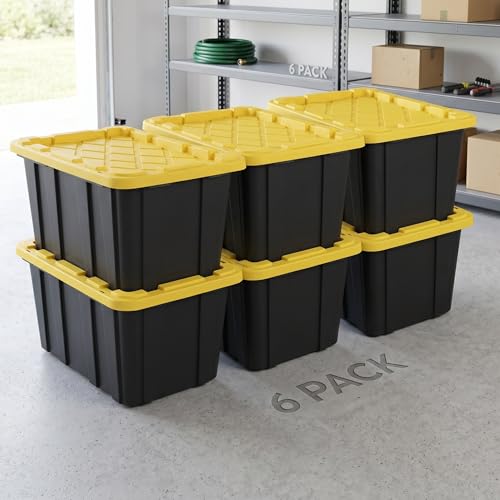
Invest in durable storage containers that provide robust protection from the elements. I prefer heavy-duty plastic bins or weather-resistant wooden boxes, which ensure longevity. Opt for sizes that comfortably fit your items without excessive space, minimizing movement that can lead to damage.
Before loading your possessions, line the interior with tarps or blankets for added cushioning. Avoid stacking items haphazardly; organize them by type and usage frequency. Ensure ventilation inside the container to prevent moisture buildup, which can lead to mold growth.
Label each container clearly. I often use waterproof labels to indicate contents, which streamlines retrieval in the future. Utilize stackable options to maximize vertical space without compromising accessibility. For larger items, consider purchasing specialized outdoor storage chests designed to withstand harsh weather, keeping everything secure and tidy.
Regularly inspect the exterior of your storage boxes for signs of wear and tear. Replace or repair any damaged sections promptly to maintain their protective qualities. By implementing these strategies, I’ve found my outdoor items remain in pristine condition, ready for use when needed.
Inspecting for Damage and Maintenance Needs
Before transitioning items to a sheltered spot, I conduct a thorough examination for any signs of wear or damage. I focus on critical areas such as joints, legs, and surfaces that may have been exposed to harsh weather. Cracks, rust, and discoloration act as red flags indicating repair needs.
I always check for loose screws or connections, tightening them where necessary to maintain structural integrity. Wooden pieces often require special attention to prevent splintering or warping. Applying a wood conditioner can help rejuvenate and protect the material.
For metal components, I inspect for any signs of corrosion. If I find rust, I sand it down and apply a suitable rust-resistant treatment before the upcoming season. Fabric cushions or upholstery should be closely inspected for mold, fading, or tears. I take this opportunity to clean or replace worn-out fabrics to ensure longevity.
It’s also a good practice to review the manufacturers’ care instructions to follow any specific recommendations for upkeep. Keeping an inventory of damages and repairs needed allows me to address issues promptly, preventing more extensive problems down the line.
Organizing Furniture for Space Efficiency
I recommend utilizing vertical space effectively by stacking items. Use sturdy shelving units to hold smaller pieces or cushions. This method not only saves ground area but also keeps essentials easily accessible.
Group larger units together based on size and function. For instance, arrange tables and chairs in a compact formation. This layout minimizes floor space usage and simplifies rearrangement when needed.
- Consider placing frequently used items at the front for quick access.
- Incorporate clear bins or labeled containers to categorize smaller accessories like pillows or lights.
Use furniture dollies or carts for easy mobility. This allows me to rearrange setups without excessive strain or damage to the surroundings.
I also recommend measuring the available area before placing items. Drawing a simple layout can help visualize and optimize the configuration.
Make sure to leave walkways for easy navigation, ensuring that nothing is obstructed. An efficient setup allows for smooth movement and minimizes the risk of accidents.
Lastly, embrace multifunctional solutions. Items that serve dual purposes, like storage benches, are invaluable in conserving space while keeping everything organized.
Seasonal Considerations for Outdoor Storage
Monitor weather patterns closely; heavy rain, snow, and intense heat can deteriorate materials rapidly. I prefer to transition items to sheltered areas before harsh conditions arrive, ensuring they are protected from moisture and extreme temperatures.
Evaluate humidity levels; high moisture can lead to mold and mildew. I make it a point to check ventilation in storage spaces. Keeping items dry is key, especially when storing wood or fabric materials. Using silica gel packs can help combat excess moisture.
Plan for seasonal shifts; rotating items based on the time of year keeps them in optimal condition. I transition seating and tables during winter months while utilizing warm, sunny days for maintenance. This allows me to address wear and tear before the next season begins.
Inspect for pests when retrieving items after storage; rodents and insects often seek shelter in less frequented spaces. I recommend using natural repellents to deter these creatures and checking for any signs of damage upon reexamination.
Consider the preparation for spring; give each piece a thorough inspection and clean before use to extend longevity. I check for rust on metal parts and reapply protective coatings to surfaces where needed.


