Caleb Turner
Begin by wrapping your soft-topped seating pieces in breathable fabric. This prevents dust accumulation while allowing airflow to avoid moisture buildup. A cotton sheet works well for this purpose. Secure the cover using breathable tie-downs or elastic bands to ensure it remains in place.
Next, elevate the items from the ground using wooden pallets or blocks. This prevents moisture from concrete or wooden floors from seeping into the upholstery. Aim for a minimum height of four inches to create a barrier against possible dampness.
Consider using desiccants such as silica gel packets in the vicinity of your soft pieces, especially in areas with high humidity. Place these packets in corners or alongside the items for optimal moisture absorption without damaging the fabric.


Maintain a controlled climate when possible. Keeping the environment cool and dry can significantly extend the lifespan of your soft-topped seating pieces. Aim for a temperature range of 60-75°F and keep humidity levels around 30-50% for the best results.
Regularly check your sealed items for signs of wear, damage, or pests. Performing visual inspections every few months helps catch potential issues early and allows for timely intervention.
Storage Tips for Soft-Textured Pieces
First, choose a dry and cool location. Humidity can cause mold and mildew, which damage the material. Consider using a climate-controlled space if available.
Cover with breathable fabric, like cotton or muslin, to protect from dust and dirt. Avoid plastic covers, as they trap moisture.
Disassemble larger pieces when possible. Remove legs and cushions to save space and prevent pressure points that can distort shape.
Maintain structure by stacking carefully. Place heavier items on the bottom and lighter ones on top. Leave a small gap between each piece for air circulation.
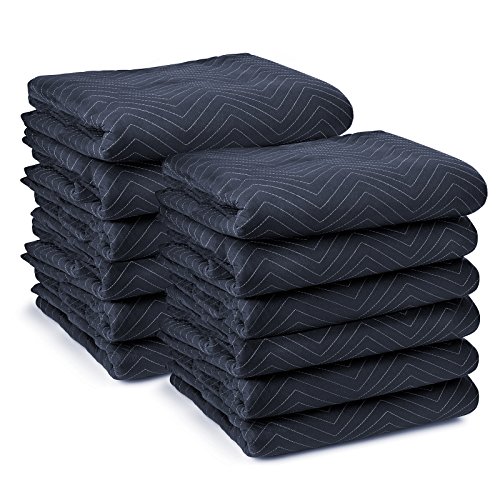
- Use furniture pads or blankets between items to avoid scratches.
- Keep away from direct sunlight to prevent fading and discoloration.
Inspect periodically to ensure no signs of pests. If you notice any issues, address them immediately to prevent further damage.
For long-term storage, consider using a dehumidifier to maintain optimal conditions.
Choosing the Right Storage Location for Your Upholstered Furniture
Select an area with a consistent temperature and humidity level. Extreme fluctuations can damage materials and degrade the appearance.
Avoid basements and attics due to susceptibility to dampness and pests. Look for a dry, well-ventilated room or dedicated storage unit.
Consider the following tips for finding an optimal placement:
- Ensure the space is free from direct sunlight to prevent fading.
- Eliminate any risk of exposure to water sources like pipes or windows.
- Choose locations away from heating vents to avoid overheating the fabrics.
Before moving items, cover them with breathable materials like cotton sheets, protecting against dust while allowing air circulation. Avoid plastic covers as they trap moisture.
Maintain accessibility for occasional checks. It helps to monitor conditions and catch potential issues early.
Consider using furniture pads or risers to keep larger pieces off the ground, further safeguarding against moisture and pests.
Preparing Upholstered Furniture for Long-Term Storage
First, I clean every piece thoroughly. A vacuum with an upholstery attachment removes dust and debris. For stains, I use an appropriate cleaner and test it on an inconspicuous area to avoid discoloration.
Next, I address any repairs needed, such as tightening screws or fixing tears. This ensures that pieces remain intact during the storage period. I also apply fabric protectors to guard against moisture and pests.
I wrap each item in breathable fabric, avoiding plastic to prevent moisture buildup. Bubble wrap or soft blankets can provide extra cushioning, while securing edges with soft tape prevents damage to surfaces.
Each piece is elevated off the ground. I use pallets or furniture risers to allow air circulation and avoid moisture contact with floors. I make a detailed inventory, including photographs, to keep track of everything stored and its condition.
I avoid stacking heavy items on top of lighter ones, which could lead to deformation. Instead, I arrange them to ensure even weight distribution. Proper spacing between items allows air to circulate and minimizes the risk of mildew.
Finally, I choose a climate-controlled facility if possible, maintaining a consistent temperature and humidity level. This prevents any detrimental effects from extremes, keeping the integrity of my beloved pieces intact for future use.
Protective Covers and Materials for Safe Storage
Utilize breathable cotton or linen covers for safeguarding your items during downtime. This prevents moisture buildup and reduces mold risk. Avoid plastic sheeting as it traps humidity, leading to deterioration.
Recommended Protective Materials
| Material | Benefits |
|---|---|
| Cotton Covers | Breathable, lightweight, and protects against dust. |
| Linen Covers | Durable and moisture-wicking, ideal for long-term use. |
| Furniture Pads | Padded layers prevent scratches and dents during transport. |
| Bubble Wrap | Effective cushioning for delicate components. |
Apply vacuum-sealed bags for smaller cushions or pillows. This method reduces space and hinders pests while keeping items dry. Just ensure they are completely dry before sealing.
Additional Protection Tips
Elevate pieces off the ground on pallets or blocks to avoid moisture absorption from the floor. Use climate-controlled environments to further minimize temperature and humidity fluctuations.
Seal any gaps in the storage area to prevent insect access. Regularly inspect your stored items to address any potential issues promptly.
Climate Control and Humidity Considerations
Maintain an optimal climate when placing soft seating and other cushioned items in a space. Aim for a temperature range of 60°F to 75°F (15°C to 24°C) to prevent damage from fluctuating heat levels.
Control humidity levels strictly, ideally keeping them between 30% and 50%. High moisture can lead to mold and mildew, while too dry conditions may result in cracking and loss of flexibility in materials.
Utilize a dehumidifier if you live in a particularly humid area. Air conditioning systems can also assist in managing both temperature and moisture. Regularly check humidity levels with a hygrometer to ensure a stable environment.
In areas prone to drastic weather changes, consider insulating the storage space or employing climate-controlled units. This way, I can protect against condensation and temperature extremes.
Proper ventilation is key. Enhancing air circulation can mitigate musty odors and prevent harmful mold growth. Opening windows, using fans, or strategically placing air purifiers can be beneficial.
Finally, avoid direct sunlight, as it can fade and degrade various textiles over time. Utilizing blackout curtains can minimize exposure while still allowing airflow.
Regular Maintenance During Storage Period
I routinely inspect items in storage every few months. This allows me to spot any potential issues such as mold or insect infestations early on. I recommend checking for signs of moisture buildup, particularly in areas prone to humidity fluctuations.
Cleaning and Dusting
Before placing items in storage, it’s imperative to clean them thoroughly, but I also make it a point to dust them periodically while they are stored. A microfiber cloth is perfect for capturing dust without causing scratches. I prefer to use a gentle cleaner to avoid damaging delicate fabrics.
Air Circulation
Maintaining adequate air circulation within the storage space is crucial. I occasionally open the storage unit to allow fresh air to circulate. This helps prevent musty odors and maintains freshness. If feasible, I consider using a small fan to enhance airflow.
Additionally, I recommend leaving any protective covers slightly open to ensure air flow while still shielding against dust. This simple act significantly contributes to the longevity of the pieces I care for.
Regular checks and light maintenance keep my belongings in pristine condition, allowing me to enjoy them without worry when it’s time to retrieve them.
Best Practices for Unpacking and Setting Up After Storage
Begin with a thorough inspection of the items upon retrieval. Look for any signs of damage or wear that may have occurred during the storage period.
Position each upholstered item in a clean, dry area free from direct sunlight to avoid fading or heat damage. Ensure that the environment is well-ventilated while setting up the pieces.
Cleaning and Freshening Up
Dust all surfaces gently using a microfiber cloth. If you notice any stains, treat them immediately with appropriate cleaning solutions. Allow time for any moisture to evaporate before placing cushions or covers back on.
If possible, use a fabric freshener to eliminate odors that may have developed during storage. A light spray can rejuvenate the scent of the materials. Test any product on a hidden area first to ensure it won’t affect colors.
Setting Up for Use
Carefully position each piece according to your desired layout, ensuring ample space for movement around them. Avoid placing heavy items on top of lighter ones to maintain structural integrity.
After placement, check for unevenness or stability issues. Adjust legs or bases as necessary to achieve a level stance, preventing potential damage or discomfort during use.