
 Caleb Turner

Begin with a high-quality steaming device that meets your needs. Choose one with adjustable pressure settings and a variety of attachments for different surfaces. This equipment will be the backbone of your maintenance routine.
Before engaging with any material, conduct a patch test to ensure no color transfer or damage occurs. It’s wise to select a hidden spot to see how the fabric reacts, allowing you to proceed with confidence.
Create a designated area for your project. Clear away any nearby items to ensure a safe workspace. Prepare the surface by vacuuming thoroughly to remove dust and debris, which can hinder the deep cleansing process.
Begin by filling the steamer with distilled water for best results. This helps prevent mineral buildup and extend the life of your machine. Allow the device to heat up fully before applying it to the fabric, ensuring maximum effectiveness.
As you work, maintain a consistent motion, keeping the nozzle a few inches away from the surface. This technique allows the heat and moisture to penetrate deeply, loosening dirt and grime without oversaturating the fabric.

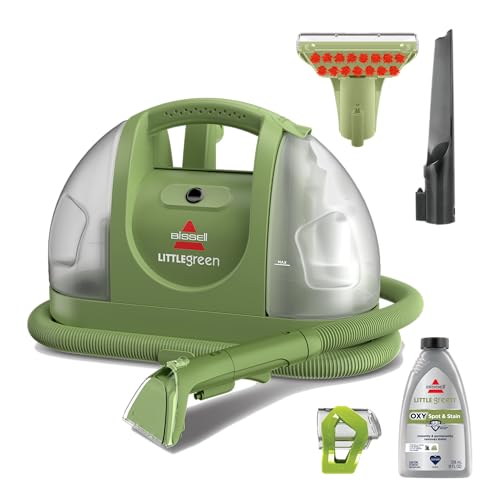

After treating a section, use a microfiber cloth to blot away any residue. This step ensures that dirt is lifted and doesn’t resettle back into the upholstery. Finish by allowing the area to air dry, maintaining ventilation to facilitate the drying process.
How to Maintain Upholstered Items with Steam
Before initiating the process, ensure you have a reliable steamer. It should be capable of generating high temperatures to eliminate dirt and pathogens effectively. Start by vacuuming the surface thoroughly to remove loose debris.
Application Techniques
Fill the steamer with distilled water to prevent mineral buildup. Choose an appropriate attachment, such as a brush or cloth head, to avoid damaging delicate materials. Test the steamer on an inconspicuous area to ensure it does not alter the texture or color.
Once prepared, hold the device at a distance of approximately 6 to 12 inches from the surface. Move slowly to allow heat to penetrate and eliminate stains. Focus on high-traffic areas where grime tends to accumulate. Additionally, maintain a consistent motion to avoid saturating any particular spot.
Aftercare Steps
Allow the upholstery to air dry completely before using it again. Depending on the material, this may take several hours. For intense odors or stubborn stains, repeating the process might be necessary. Always consult the care label for specific guidance on the cleaning method suitable for your item.
| Material Type | Recommended Method |
|---|---|
| Microfiber | Low moisture setting |
| Velvet | Use gentle brush attachment |
| Cotton | Standard steam application |
| Leather | Avoid direct steam, use lightly damp cloth |
Regular care will prolong the life of your items, providing a fresh appearance and maintaining hygiene standards. Being proactive with maintenance can save you time and effort in the long run.
Choosing the Right Steam Cleaner for Your Furniture
Prioritize a model with adjustable steam settings for various fabrics. A cleaner with multiple attachments allows me to navigate tricky areas and tackle different textures effectively.
Power and Performance
Look for a device with at least 1500 watts for optimal performance. This power level ensures that the heat penetrates deeply into materials without damaging them.
Portability and Size
Consider a lightweight and compact design for ease of use. A smaller unit is easier to maneuver around rooms and store when not in use. Ensure the water tank capacity aligns with my cleaning needs; a larger tank means fewer refills.
Review customer feedback on reliability and durability. Investing in a reputable brand often results in long-term satisfaction and fewer maintenance issues.
Confirm that the cleaner is suitable for the intended surfaces. Testing on a hidden area first can prevent any unwanted damage or discoloration.
Preparing Your Upholstery for Cleaning
Before initiating the cleansing process, I ensure to remove any loose items such as pillows, throws, or decorative pieces. This provides unobstructed access to all surfaces.
Vacuum Thoroughly
I recommend vacuuming the upholstery with an appropriate attachment to eliminate dust, dirt, and debris. This step is crucial as it prevents particles from becoming embedded during the subsequent treatment.
Test for Colorfastness
I always conduct a colorfastness test. I apply a small amount of water to an inconspicuous area and blot it with a white cloth. If any color transfers to the cloth, I know to use extra caution or consult care instructions.
Additionally, I check the manufacturer’s guidelines for any special instructions. If the fabric includes specific warnings, I prepare accordingly to avoid damage.
Finally, I clear the surrounding area to make the process smooth and safe. I ensure the space is well-ventilated, allowing for both effective drying and air circulation.
Step-by-Step Guide to Upholstery Refreshing
Before beginning, gather necessary tools: a portable appliance, attachment tools, water, and a vacuum cleaner. Ensure the area is well-ventilated and clear of obstacles.
1. Vacuum Thoroughly
I always start with a comprehensive vacuuming to eliminate loose dirt and debris. Focus on crevices and seams for optimal results.
2. Prepare the Cleaner
Next, fill the appliance with distilled water as per the manufacturer’s instructions, avoiding tap water to prevent mineral buildup. Let it heat up, which usually takes a few moments.
Once ready, I’ll attach the appropriate nozzle based on the upholstery type. A brush attachment can work well for delicate surfaces, while a wider head may be better for larger areas.
3. Application Technique
I apply steam in a systematic manner, starting from the top and moving downwards. Keeping the nozzle a few inches above the fabric prevents saturation. Use slow, overlapping strokes for even coverage. It’s important to work in sections to monitor how the fabric responds.
4. Spot Treatment
For stubborn stains, I aim a concentrated burst directly at the mark. After a few seconds, I gently blot the area with a microfiber cloth to absorb the moisture and any lifted dirt.
5. Final Steps
Once finished, I let the upholstery air dry completely. I often open windows or use fans to speed up the drying process. Finally, I fluff any cushions or pillows to restore their shape.
How to Steam Clean Wooden Furniture Safely
Before starting, ensure the wood is sealed. Unfinished or antique pieces may warp or be damaged. Check for a manufacturer’s tag or do a small spot test on an inconspicuous area.
Preparation Steps
- Remove dust and debris with a dry cloth or a vacuum with a soft brush attachment.
- Gather necessary equipment: a steam device with adjustable settings, microfiber cloths, and distilled water if possible.
Cleaning Process
- Set the cleaner to low or medium heat to prevent damage.
- Hold the nozzle a few inches away from the surface. Direct steam improves sanitization without soaking the wood.
- Wipe with a microfiber cloth while steaming, following the wood grain to avoid scratches.
- Use a dry cloth afterward to absorb any excess moisture immediately.
- Allow the piece to dry fully before placing items back on it.
For stubborn stains, apply a small amount of wood-safe cleaner after steaming, then wipe clean. If unsure, consult with a specialist for advice on maintaining your specific pieces.
Tips for Maintaining Clean Upholstered Items After Steam Cleaning
Regular vacuuming is key. I make it a habit to vacuum upholstery weekly to remove dust and debris that can accumulate and dull the appearance. Use an upholstery attachment for best results.
Protecting Surfaces
I apply fabric protectors after every deep cleaning. This adds a layer of defense against spills and stains. It’s wise to reapply it periodically, especially in high-traffic areas.
Immediate Stain Treatment
For any unexpected spills, I always blot the area immediately with a clean cloth. Instead of rubbing, I gently press to absorb the liquid. A mixture of mild detergent and warm water can be used for more stubborn stains–testing on a hidden area first is crucial.
I avoid placing items that can cause indentations or scratches on surfaces, such as heavy décor or hard objects. Small adjustments can significantly reduce wear over time.
Positioning upholstered pieces away from direct sunlight helps prevent fading. I use curtains or blinds to shield them during peak sunlight hours.
Finally, I schedule professional cleaning at least once a year to address deeper grime and maintain the overall appearance of my items. This balance ensures longevity and visual appeal.
Common Mistakes to Avoid While Steam Cleaning
Avoid over-saturating the material. Applying too much moisture can lead to water damage, mold, and mildew. Instead, keep the nozzle at a safe distance from the surface to control humidity levels.
Neglecting Fabric Compatibility
Not all textiles respond well to high heat. Always check the care label before proceeding. Some materials may require a gentler approach or could be damaged irreparably.
Ignoring Pre-Testing
For unfamiliar surfaces, conduct a test on a small, hidden area. This step ensures that no unexpected discoloration or damage occurs during the process.
Failure to clear the area can lead to accidents. Make sure to remove any objects or items from the vicinity to create a safe working environment. Furthermore, I keep electrical items away to prevent hazards.
Using the wrong attachments can result in ineffective results. Choose the appropriate tools for specific surfaces, whether for upholstery or hard surfaces, to optimize outcomes.
Rushing through the process limits efficacy. Giving each section adequate attention allows for thorough disinfection and enhances appearance.
Avoid forgetting about post-maintenance. After the session, ensure the area is well-ventilated. This practice aids in drying and prevents any lingering odors.
FAQ:
What materials do I need to steam clean my furniture?
To steam clean your furniture, you’ll need a steam cleaner (either a handheld model or a floor model with attachments), distilled water (to prevent mineral buildup), a microfiber cloth for wiping surfaces, and a brush attachment for fabric or upholstery. If you’re cleaning leather, a specific leather cleaner might also be helpful. Make sure to check the manufacturer’s recommendations for your steam cleaner.
Is it safe to steam clean all types of furniture?
Not all furniture can withstand steam cleaning. Generally, steam cleaning is safe for most upholstered furniture, but delicate fabrics like silk or certain types of leather may be damaged. Always check the care label on your furniture and test a small, inconspicuous area to ensure it won’t be harmed by the steam. For wooden furniture, steam cleaning is not recommended as moisture can harm the finish and integrity of the wood.
How do I prepare my furniture for steam cleaning?
Before steam cleaning, move any small items or decorations off the furniture. Vacuum the surface to remove dust and debris, which can otherwise get trapped during the cleaning process. For upholstered furniture, ensure there are no visible stains. If there are, spot-clean them with suitable products before using the steam cleaner. Allow any spot treatments to dry before proceeding with the steam cleaning.
Can steam cleaning eliminate odors from furniture?
Steam cleaning can help reduce odors, but it may not completely eliminate them. The heat from the steam can kill bacteria and mites that contribute to unpleasant smells, and the steam can help lift dirt and grime that may harbor odors. However, for persistent smells, it might be necessary to combine steam cleaning with other odor-elimination methods, such as using baking soda or an upholstery spray after the steam cleaning process.
How often should I steam clean my furniture?
The frequency of steam cleaning depends on usage and environmental factors. For furniture that sees heavy use, such as sofas in family rooms, consider steam cleaning every 3 to 6 months. For less frequently used pieces, annual cleaning may suffice. If you have pets, children, or allergies, more frequent cleaning may be beneficial. Always pay attention to your furniture’s condition and clean when necessary.
What are the basic steps to steam clean furniture at home?
To steam clean furniture at home, you first need a steam cleaner designed for upholstery. Begin by vacuuming the furniture to remove any loose dirt and debris. Next, fill the steam cleaner with water according to the manufacturer’s instructions. Once it’s ready, test the steam on a small, inconspicuous area of the fabric to ensure it won’t cause damage. After that, apply the steam in a sweeping motion, focusing on areas with stains or heavy dirt buildup. Allow the furniture to dry completely after cleaning, which may take a few hours. Finally, you can brush the fabric gently to restore its texture.
Are there specific types of furniture that are better suited for steam cleaning?
Yes, certain types of furniture fabrics can handle steam cleaning better than others. Most synthetic fabrics, like polyester and nylon, are generally safe for steam cleaning. Natural fibers such as cotton and linen can also be steam cleaned, but they may be more sensitive to high temperatures, so it’s crucial to test a small area first. However, furniture upholstered with materials like leather, silk, or certain delicate fabrics may not be suitable for steam cleaning, as the heat and moisture can damage them. Always check the care label on your furniture to determine if steam cleaning is recommended.


