
 Caleb Turner

Begin with a thorough cleaning of the surface using a mixture of soap and water. Allow it to dry completely; moisture can prevent adherence and affect the final appearance. Following this, sand the area lightly to promote better absorption of the treatment.
Select a high-quality product suitable for exterior applications, focusing on those that offer UV protection and resist fading. A natural fiber brush or a foam applicator allows for an even layer, ensuring every nook receives attention.
Apply the first coat generously, maintaining a wet edge to prevent streaks. Allow it to penetrate according to the manufacturer’s guidelines before assessing whether a second coat is necessary for optimal depth of color and protection.
Once finished, let the application cure for the recommended time before introducing any cushions or decor. Periodic maintenance will extend the life and beauty of your seating, ensuring it withstands the elements effectively.


Staining Outdoor Wooden Items
I ensure the surface is clean and dry before applying any color. I use a mixture of mild soap and water to wash, followed by thorough rinsing to remove residues. Once it’s properly dried, I prepare a suitable area for the next steps.
Choosing the Right Product
Selecting the correct finish is crucial. I opt for penetrating oils or semi-transparent colors that enhance the natural grain. Avoid glossy finishes, as they can create a slippery surface and may peel over time.
Application Technique
Using a high-quality brush or rag, I apply the solution evenly following the wood grain. I ensure not to over saturate the surface to prevent drips or pooling. After the initial coat dries, I assess the depth of color. A second coat is often needed for richer pigmentation. I always allow ample time for curing, preferably following the manufacturer’s recommendations for drying times.
Choosing the Right Stain for Your Wood Type
First, identify the type of timber you have. Different varieties react uniquely to finishes. For softwoods like pine or cedar, opt for a penetrating finish that nourishes the fibers and enhances natural grain patterns.
If your material is hardwood, such as teak or mahogany, consider a formula that offers UV protection and weather resistance to guard against the elements.
When examining options, here are some key factors to evaluate:
- Transparency: Choose between transparent, semi-transparent, or opaque. Transparent options highlight the grain, while opaque ones provide a solid color.
- Color: Select hues that complement your outdoor space. Test samples on a hidden section to confirm the final look.
- Durability: Assess longevity. Some products last longer than others, especially in outdoor environments where wear is notable.
- Application Method: Consider whether you prefer a spray, brush, or roller application, as this affects ease of use and final appearance.
Consult product labels for recommendations based on your wood type and desired outcome. Make sure to maintain surfaces by reapplying the finish as necessary to maintain appearance and protection.
Preparing Your Furniture for Staining
Thoroughly clean the pieces using a mixture of mild soap and water. A soft cloth or sponge works well for this task. Rinse with clean water to eliminate any soap residues. Allow them to dry completely before proceeding.
Sanding the Surface
Once dry, sand the surfaces to remove any old finish and imperfections. Use a medium-grit sandpaper (around 120-grit) for the initial pass, followed by a fine-grit option (220-grit) for a smoother finish. Always sand in the direction of the grain to avoid scratches.
Remove Dust
After sanding, wipe down each item with a damp cloth or a tack cloth to remove remaining dust. This step is crucial, as it prevents debris from interfering with the adherence of the pigment. Ensure everything is completely dry before applying any coating.
Gathering the Necessary Tools and Materials
Before undertaking the task, I ensure I have a precise list of required items. This ensures a smooth application and optimal results.
Here’s what I typically gather:
| Tool/Material | Description |
|---|---|
| Protective Gear | Gloves and goggles to safeguard skin and eyes from chemicals. |
| Sandpaper | Different grits (120 and 220) for surface preparation and smoothing. |
| Rags or Cloths | Lint-free cloths for applying product evenly and wiping excess. |
| Brush or Applicator | A quality brush or foam applicator for a smooth finish. |
| Drop Cloth | To protect the area from drips and splashes during the process. |
| Container | A bucket or tray for holding the liquid, allowing easy access. |
| Product | The chosen color/finish for enhancing the surface. |
Having these items ready not only makes the task simpler but also elevates the final finish of the treated pieces.
Applying the Stain Evenly with Proper Techniques
To achieve an impeccable finish, I utilize a high-quality brush or a foam applicator, depending on the surface texture. For smoother surfaces, a fine-bristled brush ensures a streak-free application, while foam pads work well on rougher textures.
Before I begin, I always perform a test on a small, inconspicuous area. This step allows me to adjust my technique based on how the material interacts with the coloring agent.
Consistent Application
I apply the product in long, even strokes along the grain to maintain uniformity. It’s essential to work in manageable sections, applying the solution generously, but avoiding excessive puddling. If I notice any areas absorbing more than others, I quickly go back to even it out.
For vertical surfaces, I start from the top and work my way down. This method helps prevent dripping and ensures that I can blend any overlaps seamlessly. Regularly checking for missed spots or uneven patches is key to a flawless outcome.
Final Touches
Once the first coat is applied, I allow it to dry according to the manufacturer’s instructions. After drying, I lightly sand the surface with fine-grit sandpaper to enhance smoothness and prepare it for a second coat. This step allows for better adhesion and a more polished look, which I find significantly improves the overall result.
After the second application, I continue to follow the same techniques, ensuring an even layer throughout. Patience in this process yields a professional-looking finish that lasts.
Understanding Drying Times and Conditions
To achieve the best results, I always check drying times specific to the product I’m using. Most finishes require a minimum of 24 hours to set properly, but in cooler or humid conditions, this can extend significantly. For instance, at temperatures below 50°F (10°C) or over 90°F (32°C), the curing process may slow down or cause uneven application.
Environmental Factors
The area where I apply the finish plays a major role. I prefer to work in a well-ventilated space, ideally with a temperature between 65°F and 75°F (18°C to 24°C). Low humidity reduces tackiness, allowing the layer to dry thoroughly. If it’s rainy or excessively humid, delays can occur; in such cases, utilizing fans or dehumidifiers is beneficial.
Timing Between Coats
I ensure to follow recommended time frames between coats. For most products, waiting 2 to 4 hours before reapplying is standard. Waiting too long may result in issues with adhesion, while too short can lead to mixing of layers, compromising durability. I conduct a touch test to feel if a layer is ready; if it remains tacky, I wait longer before proceeding.
Sealing the Stain for Longevity
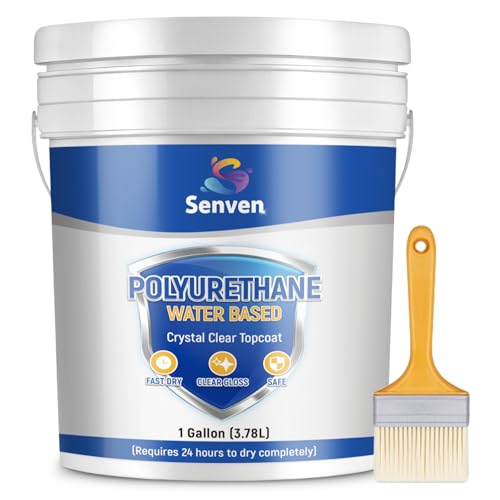
For durability, applying a quality sealant over the color treatment is vital. I recommend using a water-based polyurethane or an oil-based finish. The choice depends on the existing texture and desired gloss level of the surface. Both options provide excellent protection against moisture and UV damage.
Before application, ensure the color application is thoroughly cured. Typically, this requires waiting at least 24 hours, but conditions such as humidity and temperature may influence this time. Conduct a touch test; the surface should feel dry and not tacky.
Use a clean brush or applicator to apply the sealant evenly. Begin at one end and work your way to the opposite side, maintaining a wet edge to prevent lap marks. Avoid over-brushing, which can lead to an uneven finish.
Apply two to three coats of sealant for enhanced protection. Lightly sand between each coat with fine-grit sandpaper to promote adhesion. Allow adequate drying time between each layer according to the manufacturer’s instructions.
For maintenance, inspect the surface regularly. Reapply the protective layer every couple of years or as needed, especially in areas exposed to harsh weather. This proactive approach ensures the vibrancy of the surface lasts through the seasons.
Maintaining Your Stained Outdoor Seating
Regular upkeep is key to preserving the beauty and durability of your outdoor seating. Here are specific steps I follow:
- Cleaning Your Surfaces: Use a soft cloth or sponge with mild soap and water to wipe down surfaces monthly. Avoid harsh chemicals that can damage the finish.
- Inspecting for Damage: Routinely check for cracks, peeling, or discoloration. Early detection helps prevent more extensive repairs.
- Reapplying Maintenance Coatings: Depending on exposure to elements, reapply a protective layer every one to two years. This prolongs the life of the finish.
After any cleaning, always ensure everything is thoroughly dry before treating with additional products. Water can seep under the protective layer, causing mold or blisters.
Store items in a sheltered area during extreme weather or cover them with breathable fabrics to avoid moisture build-up. This reduces the chances of mildew growth.
For deep scratches or signs of wear, I lightly sand the affected area and apply a touch-up product that matches the existing tone. This helps restore a smooth appearance.
Keeping an eye on UV exposure is also important. If the colors appear faded, consider a UV protectant before the next application.
Troubleshooting Common Staining Issues
If I encounter streaks during application, it’s usually a sign of applying too much product at once. I switch to a smaller brush or a clean cloth and lightly buff the area or apply a thinner coat to even it out.
Blotches and Uneven Color
Blotches arise when the surface isn’t adequately prepared. I make sure to sand thoroughly before starting. If I see uneven color after drying, I apply a little more of the same pigment and blend it carefully with the existing layers.
Peeling or Chipping
Peeling often indicates insufficient adhesion. I ensure the previous layer is completely cured, and I might consider using a bonding primer before I reapply. In cases of chipping, I assess the surface conditions and might resort to a more durable finish to protect against wear.
If the weather has affected the finish, like rain or humidity before it fully sets, I take action immediately. I lightly sand the area once dry and reapply after ensuring optimal conditions for curing. Keeping a close watch during and after the application phase helps avoid most pitfalls.
FAQ:
What materials do I need to stain wood patio furniture?
To stain wood patio furniture, you will typically need the following materials: wood stain (oil-based or water-based), a paintbrush or staining pad, sandpaper (usually 120 to 220 grit), a clean cloth or rag, and a sealant if desired. It’s also useful to have a drop cloth to protect your work area and gloves to keep your hands clean.
How do I prepare wooden furniture for staining?
Preparing wooden furniture for staining involves several steps. First, clean the surface thoroughly to remove dirt and grease. Next, sand the wood to create a smooth surface and ensure the stain adheres properly. Use coarse sandpaper initially, and finish with a finer grit for a smooth finish. After sanding, wipe down the furniture with a clean cloth to remove any dust. This preparation process is crucial for achieving an even application of stain.
How long does the stain take to dry?
The drying time for wood stain can vary based on several factors, including the type of stain used and environmental conditions. Generally, oil-based stains can take anywhere from 6 to 24 hours to dry, while water-based stains typically dry faster, usually within 1 to 6 hours. It’s recommended to check the specific instructions on the product label for the best results, as temperatures and humidity can affect drying times.
Can I use a paint sprayer for staining patio furniture?
Yes, using a paint sprayer to stain patio furniture can be a quick and efficient method, especially for larger pieces. However, it’s important to use the appropriate nozzle and settings to control the spray pattern and prevent overspray. Make sure to practice on a scrap piece of wood first to get a feel for the sprayer. Additionally, ensure you apply the stain in thin, even coats, and follow up with a brush to smooth out any runs or drips.


