Caleb Turner
Choosing to enhance the natural beauty of outdoor wood seating involves specific preparations and techniques. Begin by thoroughly cleaning the surfaces with a mixture of water and mild soap, ensuring all dirt and grime are removed. Let the wood dry completely before proceeding.
Select a high-quality oil or finish suitable for outdoor use. This will not only enrich the color but also protect against the elements. Apply the product with a brush or cloth in the direction of the grain, ensuring even coverage to avoid any blotches.
Allow the wood to absorb the oil according to the manufacturer’s guidelines. After the recommended time has passed, wipe off any excess product to prevent a sticky residue. This simple yet effective process will breathe new life into your outdoor seating, making it both inviting and durable.


Staining Wooden Outdoor Seating
Begin with thorough cleaning. I use a mixture of mild soap and water, scrubbing the surfaces to remove dirt and grime. After rinsing with clean water, I let it dry completely, ensuring no moisture remains.
Once dry, I inspect for blemishes and rough areas. Sanding these spots smooth is essential, using fine-grit paper to prepare for an even application. I prioritize sanding along the grain for best results.
Choosing the right product is key. I prefer oils designed for outdoor timber, as they nourish the wood while adding color. Stir the product thoroughly before application to ensure an even mix.
Using a brush or cloth, I apply the oil generously. I work in small sections, ensuring full coverage and avoiding puddles. After the first coat dries, typically a few hours, I assess the depth of color and decide if a second coat is necessary.
Once satisfied, I allow the piece to cure in a shaded area for a couple of days. This final step is crucial for durability. Regular maintenance, such as cleaning and reapplying oil annually, extends the life and appearance of the wood.
Choosing the Right Stain for Teak
Opt for an oil-based product designed for hardwood to enhance the natural beauty of this wood type. These oils penetrate deeply, providing protection against moisture and UV damage.
Types of Finishes
Here are a few common options:
| Finish Type | Description |
|---|---|
| Transparent | Preserves the natural look while adding a subtle hue. |
| Opaque | Completely covers the wood grain, ideal for a uniform appearance. |
| Semi-Transparent | Offers a balance between color and visibility of the grain. |
Color Choices
Popular shades include honey, walnut, and cedar. Select a color that complements your outdoor environment and personal style. Always test on a small, inconspicuous area to ensure satisfaction.
Consider products with mildew inhibitors to prolong the lifespan of the protective layer, especially in damp climates. Regular maintenance of the chosen finish will ensure the wood retains its appeal and durability.
Preparing Your Teak Furniture for Staining
Before applying any finish, ensure the surface is clean and smooth. I begin by thoroughly cleaning the item using a mixture of warm water and mild soap. A non-abrasive sponge helps remove dirt and grime without damaging the wood fibers.
After cleaning, let the piece dry completely. Depending on humidity and temperature, this may take several hours. I check for moisture by touching the surface; it should feel cool or slightly damp, indicating it’s not quite ready for the next step.
Inspect and Sand
Next, I carefully inspect the wood for any imperfections or rough spots. For those areas, I utilize fine-grit sandpaper (around 220 grit) to smooth the surface. Sanding should be done in the direction of the grain to avoid scratching the wood.
- Focus on rough or raised areas.
- Use a vacuum or a brush to remove dust after sanding.
- Wipe down with a damp cloth to ensure all particles are removed.
This step enhances adhesion for the finish, allowing it to penetrate the wood better. If there are any old finishes that need to be stripped, I use a non-toxic paint stripper for safety. Follow the manufacturer’s instructions for the best results.
Conditioning the Surface
If the wood appears very dry or weathered, applying a wood conditioner can help restore moisture. I choose a product specifically made for the type of wood I’m working with. Lightly applying it with a cloth enhances the finished result, providing a uniform appearance once the coloring process begins.
Following these steps ensures the surface is perfectly prepared, providing an optimal base for the upcoming treatment. The result will be a beautifully enhanced appearance that highlights the natural beauty of the wood.
Cleaning Your Teak Furniture Before Staining
Ensure the surface is free from dirt and debris before applying any coloration. I use a mixture of warm water and mild soap, applying it with a soft brush to scrub the surface gently. After scrubbing, I rinse with fresh water and allow it to air dry completely.
Dealing with Mildew and Mold
If I spot any mold or mildew, I mix a solution of one part vinegar to three parts water and apply it to the affected areas. This natural remedy effectively eliminates fungi without damaging the wood. Once treated, I rinse again and ensure it’s thoroughly dry.
Removing Old Coatings
For items previously treated with another finish, I strip the old coating using a commercial wood stripper. I carefully apply it as per the instructions, using a plastic scraper to remove the residue. Afterward, I wash the surface thoroughly to eliminate any stripper residue.
Applying the Stain: Tools and Techniques
Begin with a high-quality applicator such as a foam brush or a lint-free cloth. I find that foam brushes distribute the liquid evenly without leaving brush marks. Make sure to wear gloves to protect your hands from any residue.
Preparation of Tools
Before getting started, ensure all tools are clean. Rinse brushes and rollers in the appropriate solvent based on the type used. For cloth applications, cut them into manageable sizes for easy handling. Always have extra materials on hand to avoid interruptions.
Application Process
Apply the liquid in sections, working with the grain of the wood. This technique enhances absorption and helps achieve a smoother finish. I recommend starting at one end and moving methodically to the other, ensuring even coverage. Avoid over-saturating the surface; a thin layer yields better results.
After the initial application, allow it to dry according to the manufacturer’s instructions. Typically, this is about two hours. Once dried, inspect the surface. If needed, a second coat can be applied for deeper color and protection, using the same method to maintain consistency.
After completing the application, clean your tools thoroughly to prolong their life. Proper maintenance of your brushes or rollers ensures they remain effective for future projects.
Always take note of your outdoor environment. High humidity may extend drying time, whereas direct sunlight can speed it up. Adjust your schedule accordingly for the best results.
Understanding Drying Times for Teak Stain
After applying a finish to my wooden pieces, I find it crucial to allow enough time for proper drying. Typically, the drying duration can vary based on environmental factors such as temperature and humidity. I’ve noticed that in warm, dry conditions, a finish can become touch dry within 1-2 hours, but complete curing may take several days.
For optimal results, I allow a minimum of 24 hours before exposing the surfaces to light use. It’s wise to avoid placing objects on the surface until the 48-72 hour mark to prevent impressions or damage. During each application, I monitor the area to ensure air circulation is adequate, as this significantly influences drying times.
I learned that humidity levels play a significant role; high humidity can prolong the drying period. Using a dehumidifier can help in particularly damp environments. After the initial application, I perform a simple touch test to gauge dry readiness–the surface should feel dry, not tacky. If it remains sticky, then I wait longer before applying any additional layers.
Additionally, I keep an eye on the manufacturer’s guidelines, as specific products may have tailored recommendations for drying times. By adhering to precise drying times, I ensure greater durability and density in the final finish.
Maintaining Your Teak Furniture After Staining
To prolong the beauty and functionality of your outdoor pieces, regular maintenance is key. Clean the surfaces every few months to remove dirt and debris. A mixture of mild soap and water works well. Avoid harsh chemicals that can degrade the protective layer.
Periodic Reapplication
Every six to twelve months, I recommend applying a maintenance coat of protection. This revitalizes the finish and guards against UV rays and moisture. Ensure the surface is clean before applying any new layer.
Inspecting for Damage
Routine checks for scratches or blemishes are essential. Address any issues promptly by sanding lightly and applying a touch-up product. This ensures a consistent appearance and prevents further deterioration.
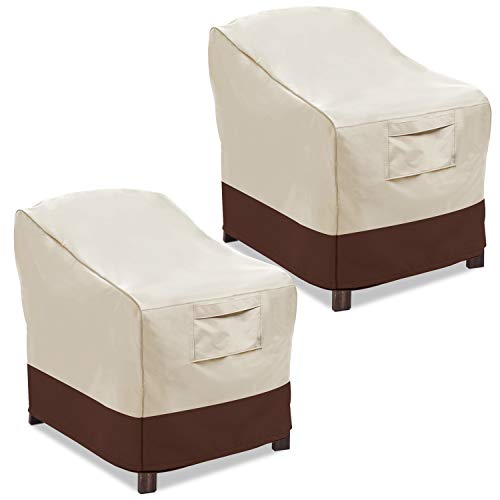
Store your outdoor seating during harsh weather conditions. Protective covers can also help shield from sun and rain, extending the lifespan of the treatment.
Finally, understand that natural deterioration is inevitable. However, with proper care, you can significantly extend the life and aesthetics of your investment.
Dealing with Weathering and Color Fading
To combat the effects of exposure, consider applying a protective coat annually. This layer not only revitalizes hues but also creates a barrier against UV rays and moisture.
Regularly inspecting surfaces for signs of deterioration is crucial. Scrape away any peeling sections and gently sand the areas to expose fresh wood before reapplying any protective finish.
Using a cleaner formulated specifically for outdoor surfaces can help remove grime and prevent color loss. After deep cleaning, allow the material to dry completely before proceeding with any treatment.
For those who prefer a natural look, oil treatments infused with UV inhibitors are optimal for preserving color integrity over time.
Consider the location of your items; placing them in shaded areas or using covers during harsh weather can significantly reduce fading and wear.
Incorporating regular maintenance schedules into your routine ensures ongoing protection, keeping your outdoor pieces looking their best and extending their lifespan.
Protecting Stained Teak from Future Damage
To shield your stained wood from future harm, apply a high-quality protective sealant every couple of years. This layer safeguards against moisture, UV rays, and dirt accumulation.
Follow these steps for effective protection:
- Choose the Right Sealant: Select a UV-resistant, waterproof sealant specifically designed for similar materials. Look for products labeled as marine-grade for added durability.
- Clean Thoroughly: Before application, clean the surface to remove any dust, debris, or pollen. Use a mild detergent and rinse with clear water to ensure proper adhesion.
- Apply Sealant Evenly: Use a clean brush or sprayer for application, ensuring an even coat. Overlap strokes to avoid pooling in corners.
- Routine Touch-ups: Inspect regularly for wear. Reapply sealant in areas showing signs of fading or wear to maintain protection.
Consider the following tips to enhance longevity:
- Avoid placing items directly on the surface; use coasters or mats to prevent scratches.
- Position the wood in shaded areas when possible to minimize sun exposure.
- Wipe up spills immediately to prevent staining and water damage.
By implementing these strategies, I can ensure that my stained wood remains in great condition, allowing for long-lasting enjoyment.
Common Mistakes to Avoid When Staining Teak
Avoid applying the finish on damp surfaces. Ensure the wood is completely dry before starting to prevent uneven absorption and finish issues.
Skipping Surface Preparation
Not adequately preparing the surface can lead to failure of the protective layer. Always sand the wood lightly before application, removing any old finish, dirt, or debris.
Choosing the Wrong Product
Using an inappropriate type of finish can result in peeling or poor adhesion. Make sure to select a product designed specifically for outdoor use and suitable for your wood type.
Failing to test the product on a small, inconspicuous area before applying it to the entire piece can lead to undesirable color results. Test first to see how the finish reacts with the grain.
Applying too much product at once results in drips and uneven coverage. Use thin, even coats and allow ample drying time between applications for better results.
Ignoring manufacturer instructions can compromise the longevity of the finish. Always follow guidelines for application and drying times closely.
Neglecting future maintenance can lead to quick deterioration. Plan routine upkeep to preserve the appearance and integrity of your outdoor pieces.
FAQ:
What materials do I need to stain teak patio furniture effectively?
To stain teak patio furniture, you will need a few essential materials: teak cleaner or wood cleaner, fine-grit sandpaper, a clean cloth, wood stain specifically formulated for outdoor use, a brush or applicator for even application, and possibly a sealant for added protection. Make sure to choose high-quality products designed for teak to achieve the best results.
How do I prepare my teak furniture before applying stain?
Preparation is key for a successful staining job. Start by cleaning the teak furniture with a teak cleaner to remove any dirt, grease, or old finishes. After cleaning, allow the furniture to dry completely. Next, lightly sand the surface with fine-grit sandpaper to create a smooth texture for the stain to adhere to. Wipe down the wood again with a clean cloth to remove any dust from sanding before proceeding with the stain application.
What type of stain is best for teak patio furniture, and how do I apply it?
Oil-based stains are generally recommended for teak furniture as they penetrate the wood deeply and enhance its natural beauty. To apply the stain, use a brush or applicator to spread it evenly across the surface. Follow the wood grain for the best finish. Allow the first coat to absorb for a period specified by the manufacturer, usually around 10-15 minutes, before wiping off any excess. You may want to apply a second coat for a richer color and better protection.
How often should I stain my teak patio furniture?
The frequency of staining depends on several factors, including the local climate and how often the furniture is used. Typically, it’s recommended to stain teak patio furniture every one to three years. If the wood begins to look dull or faded, it’s a good indication that it’s time to reapply the stain. Regular maintenance will help maintain its appearance and prolong its lifespan.
Can I use a polyurethane sealant after staining, and how does it help?
Yes, using a polyurethane sealant after staining is a good idea. A sealant adds an extra layer of protection against moisture, UV rays, and general wear and tear. This can help prevent fading and deterioration of the stain, ensuring that your teak furniture retains its beautiful appearance for a longer time. Make sure to select a sealant that is compatible with the stain you used and follow the manufacturer’s instructions for application.
What types of stains are best for teak patio furniture?
The best stains for teak patio furniture are those specifically designed for outdoor use, as they provide protection against UV rays and moisture. oil-based stains are a popular choice because they penetrate deeply into the wood, enhancing its natural grain and providing long-lasting protection. Water-based stains are another option; they dry quickly and have lower VOCs, making them more environmentally friendly. It’s important to select a stain that matches the desired finish and provides adequate protection for outdoor exposure.
How should I prepare my teak patio furniture before staining?
Preparing teak patio furniture for staining is crucial for achieving a smooth finish. First, clean the furniture thoroughly with a mixture of mild soap and water to remove dirt and grime. Allow it to dry completely. Next, gently sand the surface using fine-grit sandpaper to remove any old finish or rough spots; this helps the new stain adhere better. After sanding, wipe down the furniture with a damp cloth to remove any dust. If there are any greasy spots, consider using a teak cleaner to ensure the surface is ready for staining. Proper preparation will help the stain penetrate evenly and enhance the furniture’s appearance.