
 Caleb Turner
Begin by disassembling larger pieces whenever possible. For example, remove legs from tables or take apart bed frames. This not only makes them easier to transport but also saves valuable space.
Distribute the weight wisely across layers. Place heavier items, like dressers or bookshelves, at the bottom to create a stable foundation. Use lighter pieces, such as chairs or cushions, on top to minimize the risk of tipping.
Utilize soft padding to protect surfaces and prevent scratches. Blankets or bubble wrap can serve as excellent cushioning between items. Arrange similar objects together to help maintain organization and simplify the retrieval process later.
Employ every inch of space by stacking vertically. If you have empty boxes or bins, fill them with smaller items. Label these containers to enhance accessibility when you need to locate something specific.


Always ensure proper support for fragile items like glass or ceramic pieces. Position them between softer objects or within sturdier boxes to reduce exposure to potential damage.
Improving Space Utilization
Begin with disassembling larger pieces. Remove legs from tables and detach cushions from sofas to minimize bulk. This creates more room for other items and allows for better organization. Store these components in a labeled bag to avoid losing parts.
Utilize vertical height. Position heavy items on the bottom, like dressers and cabinets, to create stability. Layer lighter objects, such as chairs and side tables, on top. Be mindful of the combined weight to avoid any tipping hazards.
Use blankets or protective covers between items. This prevents scratches and damage during shifting. Old towels or bubble wrap work exceptionally well for cushioning delicate surfaces.
Efficient Arrangement Techniques
- Group similar items: Place all chairs together, followed by tables. This helps in easy retrieval.
- Employ the “Tetris” method: Fit pieces together like puzzle pieces for maximizing every inch of space.
- Leave pathways: Ensure some areas remain accessible for future retrieval, avoiding a complete block of items.
Final Touches
After positioning everything, do a final check. Make sure heavier items are secure and lighter ones aren’t at risk of falling. Use straps or ropes to tie down larger pieces if needed, ensuring safety during any movement.
Choosing the Right Storage Unit Size for Your Furniture
Assess the dimensions of your items before selecting a space. Measure height, width, and depth to understand the total volume needed. For larger pieces like sofas or dining tables, opt for a unit that can accommodate their length without forcing an awkward fit.
Consider how many pieces I plan to keep inside. A 10×10 unit typically suits one-bedroom apartments, while a 10×20 is ideal for larger homes or multiple rooms. Gather a list of items to ensure I don’t underestimate my needs.
Plan for vertical arrangement. If I intend to stack boxes or smaller goods, I’ll need height in my chosen area. A unit with 8 to 10 feet of clearance is often sufficient. Ensure that there’s additional space between items for airflow and easy access.
Factor in accessibility requirements. If I might need to retrieve items frequently, a larger space will ease navigation. Avoid tight compartments that force me to pull everything out for occasional use.
Lastly, remember the significance of climate control based on what I’m storing. Items vulnerable to humidity or temperature changes require a specialized unit. Assess if such features are necessary along with the size.
Preparing Furniture for Storage: Cleaning and Disassembling
I recommend cleaning each piece thoroughly before placing it away. Start by wiping down surfaces with a suitable cleaner to remove dust and dirt. For upholstery, vacuum meticulously to eliminate any debris or pet hair.
Next, consider disassembling larger items to maximize space and prevent damage. Remove legs from tables or couches if possible. Keep all screws and small parts together in a labeled bag to avoid losing them.
For wooden pieces, apply a furniture polish to nourish and protect the surface. Cover them with moving blankets or furniture pads to prevent scratches. Ensure that any metal components are dry and free from moisture to avoid rust.
Don’t overlook mattresses. They should be cleaned and stored flat, ideally with a protective cover to shield them from dust and moisture. Place these items away from direct contact with the floor to prevent potential dampness.
Finally, when packing boxes, utilize bubble wrap or packing paper for fragile items, ensuring that they are cushioned and secure. This preparation will significantly impact the condition of your possessions when retrieved.
Protecting Surfaces with Moving Blankets and Wraps
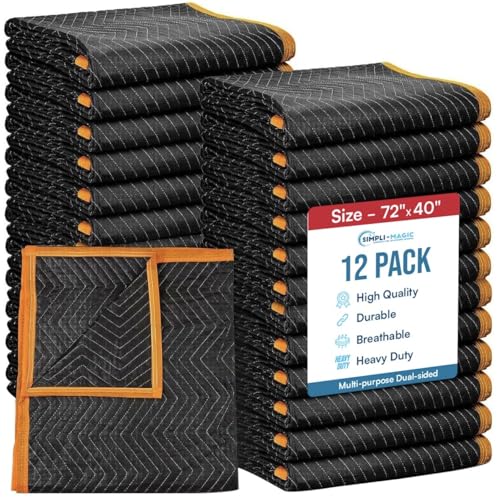
I recommend using moving blankets and wraps to safeguard your items during transit or while they are in a holding area. These materials offer excellent cushioning and protect against scratches and dents. Make sure to cover all surfaces thoroughly, paying special attention to corners and edges.
Selecting the Right Materials
Choose heavy-duty moving blankets for larger objects. They are typically thicker and provide superior protection. For smaller items, stretch wrap can be an ideal choice. It clings to surfaces and secures them effectively, ensuring no dust or debris makes contact.
<h3.Application Techniques
When using moving blankets, I find it helpful to wrap each piece individually, securing them with tape or additional wrap. This prevents movement and reduces the risk of damage. For delicate items, consider layering the blankets for extra protection. Always check that the materials do not contain any moisture, as this can lead to mold or mildew.
Determining the Best Stacking Method for Different Furniture Types
For heavier pieces like solid wood armoires, keep them upright to utilize their weight for stability. When vertical, ensure they are secured to prevent tipping. Use straps or ropes for added security during transport.
Lightweight Items
For lighter materials such as particleboard or plywood, I prefer to lay them flat, stacking them horizontally. This ensures they won’t warp or suffer damage, maintaining their integrity over time.
Glass Components
Glass-top tables and mirrors should be stored vertically, ideally in a padded section. Avoid stacking heavy items on top to prevent breakage. Use cardboard for added protection between glass surfaces and other pieces to minimize scratching.
Prioritize stacking cushions and textiles on the top, ensuring they remain clean and intact. Keeping these items elevated from heavier pieces not only protects them but also preserves their shape.
When dealing with modular or disassembled varieties, I arrange the largest components at the bottom and gradually add smaller elements. This approach maximizes space while preventing any potential warping or damage to the more delicate parts.
Always assess the material and weight of each item before deciding on its position, ensuring a balance that preserves quality and stability during the entire duration of placement.
Utilizing Vertical Space: Tips for Stacking Safely
Maximize your vertical area by placing items in layers instead of just side by side. Begin with larger, heavier pieces at the bottom. This gives stability and prevents damage to lighter items above. Make sure to balance weight distribution across the base layer to avoid tipping.
Key Strategies for Vertical Arrangement
Position taller items at the back or sides to maintain accessibility and visual balance. Utilize shelves if available, ensuring that heavier pieces are placed lower to create a solid foundation. If shelves are not an option, consider using sturdy crates as interim floors between levels.
Safety Precautions to Consider
Before arranging, ensure each item is clean and free from moisture to avoid mold growth. Use protective materials like blankets or pads between layers to prevent scratches and dents. Avoid placing fragile or heavy objects directly on delicate surfaces to minimize the risk of damage during retrieval.
| Item Type | Placement Tips |
|---|---|
| Tables | Position upside down or on its side, stacking lighter items on top. |
| Chairs | Stack with seats facing down; avoid stacking too high to maintain stability. |
| Sofas | Place on end or flat; use blankets for protection. |
| Mattresses | Store upright to maintain shape; utilize a mattress cover to keep clean. |
Attentively consider the arrangement of each piece and the total height to ensure safety. Regularly check to ensure nothing shifts or becomes unstable over time. Protect your possessions effectively by implementing these methods for vertical spacing.
Avoiding Common Mistakes When Stacking Furniture
Prioritize weight distribution; heavier items should always go at the bottom. This prevents toppling and protects lighter pieces from damage.
- Inspect each piece for damage before placing it in a pile. Make necessary repairs to avoid further issues during transport or while piled high.
- Avoid stacking different materials together without considering their fragility. For example, placing glass on soft wood can lead to scratches or breaks.
- Do not forget about airflow. Ensuring some space between items allows air circulation, reducing the risk of mold and mildew.
- Place frequently used pieces at the front of your arrangement, so they are easily accessible without unpacking everything.
- Maintain stability by creating a solid base. Utilize large, flat surfaces for foundation layers to provide support for upper levels.
Employ protective materials between layers, such as cardboard or cloth, to minimize friction and prevent scratches. It’s critical to be mindful of how tightly items are pressed together; overcrowding can lead to pressure that warps or damages pieces over time.
Lastly, don’t overlook the importance of labeling each item clearly. This helps keep track of parts and mitigates the chance of confusion during retrieval.
Accessing Your Furniture: Organizing for Easy Retrieval
I recommend creating a detailed inventory list of all items stored. This list should include descriptions, dimensions, and the location of each piece within the unit. By referencing this inventory, finding specific items becomes a straightforward task.
Place frequently used items towards the front of the unit for quick access. Arrange larger pieces first, creating pathways that allow easy navigation through the area. This not only saves time, but also reduces the risk of accidental damage to other belongings.
Label each box or container clearly with its contents and the designated location in the unit. Using color-coded labels can simplify this further, allowing for visual sorting at a glance.
Consider stacking items in a way that maintains stability. Utilize smaller pieces to fill gaps between larger items, which will help create a more organized and accessible layout. Additionally, keeping flat, disassembled objects on top of others helps preserve the items underneath.
Maintain a clear area in the middle of the space for movement, which can facilitate rearrangements if you need to access deeper items. A well-structured setup means that I can quickly locate and reach everything without the hassle of moving too many pieces each time.
Lastly, review your arrangement periodically. As my needs change, I find it helpful to adjust the layout to keep it functional for future accessibility. Staying organized is an ongoing process that pays off when I need something quickly.
FAQ:
What is the best way to stack furniture in storage units?
To stack furniture in storage units effectively, begin by disassembling larger items, such as bed frames and tables, if possible. This allows for more efficient use of space. Use furniture pads or blankets to protect surfaces from scratches. Place heavier items at the bottom and lighter ones on top to prevent damage. Ensure that items are secured and stable to avoid any shifting during transport and storage.
How can I prevent damage to my furniture while it’s in storage?
To protect your furniture from damage, wrap each piece in moving blankets or bubble wrap. Use plastic covers for upholstered items to guard against dust and moisture. Keep wooden furniture elevated off the ground with pallets or wooden blocks to avoid moisture damage. Ensure the storage unit is climate-controlled if you’re storing sensitive materials, such as leather or fabric, that could be affected by temperature changes.
Is it necessary to disassemble furniture before storing it?
Disassembling furniture before storage is highly beneficial as it saves space and makes moving items easier. For instance, removing legs from tables and detaching bed frames allows for a more compact storage arrangement. However, if disassembly is not feasible, placing furniture strategically, ensuring flat surfaces are against each other, can still optimize space. Always keep screws and small parts in labeled bags taped securely to the corresponding furniture pieces to avoid misplacing them.
What items should I avoid stacking on top of one another?
Avoid stacking delicate items, such as glass tables or mirrors, under heavy pieces of furniture. These items can easily break or become damaged. It’s also advisable not to stack upholstered furniture directly on top of each other without padding in between, as this can cause impressions or tears. Instead, create a stable base with strong, flat items and layer appropriately to ensure safety and maintain the integrity of all pieces.
How can I maximize space in a storage unit when stacking furniture?
To maximize space in a storage unit, start by planning the layout before you begin stacking. Use vertical space efficiently by placing larger items at the back and smaller items in front, ensuring everything is easily accessible. Use empty spaces within larger items, such as inside wardrobes or tables, to store smaller items or boxes. Prioritize stacking items that have similar dimensions and can be securely positioned on top of one another without risk of toppling. Keep frequently used items towards the front for convenience.


