Caleb Turner

For a sleek and sophisticated look, I recommend using a high-quality aerosol color specifically formulated for surfaces like these. Select an exterior or interior option depending on your intended use, as they offer varied durability and finish types.
Before diving into the application, ensure the items are thoroughly cleaned and free from dust or grease. I find that a light sanding with fine-grit paper enhances adhesion, allowing the new coat to bond effectively and resist peeling.
Always use the can in a well-ventilated area, ideally outdoors. Holding the container about 12-18 inches from the surface ensures an even layer without drips. Apply multiple thin coats rather than one thick layer for optimal results. This technique reduces the likelihood of runs and provides a more professional finish.


Once finished, allow ample drying time between layers and consider sealing the surface with a protective coat to enhance longevity. This final touch can elevate the entire look and ensure the finish stays intact against everyday wear.
Preparation Steps Before Coating
Ensure the surface is clean. I use a damp cloth to remove dust and dirt, followed by a light sanding with fine-grit paper for smoothness. This promotes better adhesion. After sanding, a thorough wipe down removes any residual dust. Next, consider using a primer suited for the material. This primes the surface, enhancing the final outcome and preventing uneven absorption.
Optimal Coating Technique
A distance of 8 to 12 inches from the surface is ideal while applying the product. I employ a sweeping motion, overlapping each pass slightly to achieve uniform coverage. It’s wise to apply multiple thin layers instead of one heavy coat, allowing each layer to dry as per the product instructions. This minimizes drips and ensures a more polished finish.
Final Finishing Touches
After drying, inspect for any imperfections and address them with light sanding followed by a touch-up layer if necessary. For added durability, I often apply a clear sealant after the last layer dries completely. This protects the surface and enhances the depth of color.
Choosing the Right Type of Spray Finish for Timber
I’ve found that the choice of finish directly impacts the results of any restoration project. For optimal outcomes, I always opt for acrylic or enamel formulations. Acrylic options dry quickly and provide a robust finish with excellent color retention. On the other hand, enamel varieties offer a durable and glossy finish, perfect for achieving a polished look.
Deciding Between Interior and Exterior Formulations
It’s crucial to consider the intended environment of the item. If it’s for indoor use, interior options are a solid choice, as they typically emit fewer fumes and are easier to work with. For pieces exposed to the elements, exterior formulations are more resilient, providing additional protection against moisture and UV rays.
Checking Compatibility with Surface Type
Before proceeding, I always ensure that the selected finish is compatible with the material. Certain types may require a primer for better adhesion, while others can be applied directly. It’s beneficial to research specific brands and their recommendations for diverse surfaces.
Preparing Your Wood Furniture for Painting
Begin with cleaning the surface using a damp cloth or sponge to remove dust and dirt. Allow it to dry completely. If the item has a glossy finish, I lightly sand the area using fine-grit sandpaper to create a better grip for the new layer. This step helps ensure a smooth application and durability of the finish.
Repair Any Damage
Inspect for any dents, scratches, or imperfections. I fill these areas with a wood filler, smoothing it out with a putty knife. Once dry, I sand the patched areas until level with the surrounding surfaces. This preparation minimizes flaws and enhances the final result.
Remove Hardware
Before proceeding, I take off any knobs, hinges, or decorative elements. This prevents overspray and ensures clean, crisp lines at edges. I keep these pieces in a labeled bag for easy reattachment later.
Applying Primer Before Spray Painting
Using primer is a crucial step to achieve a smooth, lasting finish on your pieces. I always opt for an oil-based primer for its adhesion properties and stain-blocking capabilities. Choose a high-quality product specifically designed for surfaces like the one I’m working with.
Surface Preparation
Before applying the primer, I ensure the surface is clean, dry, and free of dust. Wiping down the item with a damp cloth helps eliminate debris. If there are any rough spots, lightly sanding helps the primer adhere better.
Application Techniques
I apply the primer in thin, even coats. Holding the can about 10-12 inches away allows for better control and minimizes drips. After the first coat dries, I inspect for any imperfections and lightly sand again if necessary before applying a second coat. This method significantly enhances the final look.
Techniques for Evenly Spraying Black Paint
Maintaining a consistent finish requires a few techniques. I recommend holding the can about 6-12 inches away from the surface. This distance helps prevent drips and allows for a steady flow of material.
Layering Approach
Apply multiple thin layers rather than one thick coat. Thin applications dry more evenly. Wait about 10-15 minutes between layers to allow them to set without compromising the surface finish.
Movement Strategy
Use a sweeping motion while applying the coating. Begin off the edge of the piece and move across to the other side, ensuring that I overlap each pass slightly. This technique ensures uniform coverage and avoids missed spots.
| Technique | Description |
|---|---|
| Distance Control | Maintain a 6-12 inch gap from the surface. |
| Layering | Apply several thin coats, waiting between each layer. |
| Sweeping Motion | Move back and forth, overlapping each stroke. |
Using these techniques promotes an even application and enhances the overall appearance of the project.
Drying and Curing Times for Best Results
To achieve optimal outcomes, adhere to precise drying and curing durations. After applying the coating, allow a minimum of 30 minutes for the initial layer to dry. However, avoid touching the surface during this period to prevent smudging.
Specific Time Recommendations
- Touch Dry: 30 minutes
- Handle Dry: 1-2 hours
- Fully Cured: 24-48 hours
By ensuring that each layer dries completely before proceeding to the next, I prevent issues with bubbling and peeling. When the final coat is applied, I wait at least 24 hours before subjecting the item to regular use. This provides sufficient time for the finish to harden, resulting in a durable and long-lasting aesthetic.
Environmental Influences
Humidity and temperature significantly affect drying times. In a humid environment, I may extend drying durations. Conversely, low humidity and moderate temperatures can accelerate the process.
Testing the surface with a gentle touch can indicate if it’s ready for use. If it feels sticky, it’s advisable to wait longer before handling. With careful attention to these specifics, the final appearance is enhanced and extends the life of the finish.
Applying a Protective Finish After Painting
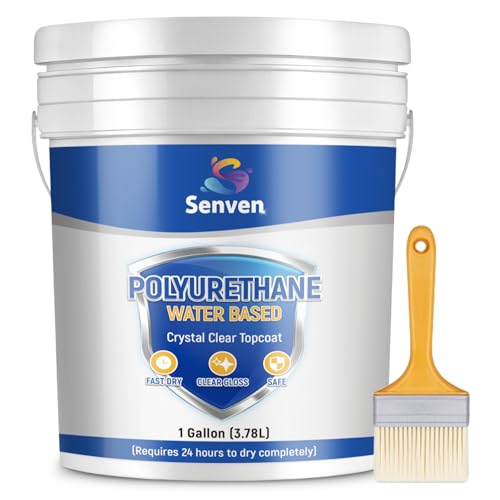
Select a high-quality water-based polyurethane for a clear topcoat. This will enhance durability and provide a protective layer. Apply multiple thin coats, allowing each to dry completely according to the manufacturer’s instructions.
Application Method
Use a clean, lint-free cloth or a foam brush for an even application. Start from one end and work systematically to avoid streaks. Lightly sand between coats with fine-grit sandpaper; this promotes adhesion and smoothness.
Curing Time
After the final coat, allow adequate curing time. Most finishes require at least 24-48 hours before light use and up to two weeks for full hardness. Ensure proper ventilation to expedite drying.
FAQ:
What preparation steps are necessary before spray painting wood furniture black?
Before applying spray paint to wood furniture, it is essential to start with thorough preparation. Begin by cleaning the furniture to remove any dust, grease, or existing finishes. This can be done using a damp cloth or a mild cleaning solution. Once clean, allow the furniture to dry completely. Next, if the surface is glossy or has a previous coat of paint, consider sanding it lightly with fine-grit sandpaper to encourage better adhesion of the new paint. After sanding, wipe down the furniture again to remove any dust particles. Finally, apply a primer suitable for wood surfaces, especially if you’re painting over a lighter color or a stain. This can help achieve an even finish and improve paint durability.
How do I choose the right type of spray paint for wood furniture?
Selecting the appropriate spray paint for wood furniture involves considering a few key factors. Look for spray paints specifically formulated for wood surfaces, as these will adhere better and provide a smoother finish. Popular options include acrylic-based spray paints and oil-based varieties. Acrylic paints are quick-drying and offer a low odor, making them a favorite for indoor use. On the other hand, oil-based paints typically provide a harder finish and are more resistant to scratches but may have a stronger scent and longer drying times. Additionally, check for paints labeled as “matte” or “satin” for a more subtle finish, or “gloss” for a shinier look. Whichever paint you choose, ensure it is non-toxic or suitable for indoor environments if the furniture will be used inside.
What techniques should I use for an even spray paint application?
To achieve an even spray paint application on wood furniture, begin by shaking the spray can vigorously for about a minute to ensure the paint mixes well. Hold the can approximately 10-12 inches away from the surface to avoid drips and runs. Move the can in a steady motion—side to side or up and down—over the surface, overlapping each pass slightly. It’s better to apply multiple light coats rather than a single heavy coat, as this reduces the likelihood of drips and ensures a uniform color. Allow each coat to dry according to the manufacturer’s instructions before applying the next one. This technique allows for better control and a cleaner finish.
How can I protect my spray-painted furniture once it’s done?
To protect your newly spray-painted furniture, consider several safeguarding measures. First, allow the paint to cure fully; this can take several days depending on the type of paint used. Once cured, you can apply a clear protective sealant, such as polyurethane or a spray-on clear coat, to enhance durability and add a layer of protection against scratches and stains. Additionally, avoid placing hot items directly on the surface and use coasters or placemats for food and drinks. Regular maintenance, such as wiping the furniture with a soft, damp cloth, will help preserve its appearance and longevity.
What are common mistakes to avoid when spray painting wood furniture black?
Avoiding common mistakes can lead to a successful spray paint job on wood furniture. One frequent error is not preparing the surface adequately, which can lead to poor adhesion and an uneven finish. Another mistake is applying the paint too thickly in one coat, resulting in runs and drips. Always aim for thin, even coats and allow each coat to dry before adding another. It’s also important to work in a well-ventilated area and use a drop cloth to protect surrounding surfaces from overspray. Finally, neglecting to test the spray paint on a small, inconspicuous area can lead to unexpected results, such as poor color matching or finish.
What preparation steps should I take before spray painting my wooden furniture black?
Before spray painting your wooden furniture, it is important to prepare the surface properly. Begin by cleaning the furniture to remove any dirt, dust, or grease. You can use a damp cloth for this purpose. If the wood has an existing finish, it’s advisable to sand it down lightly with fine-grit sandpaper to promote better adhesion of the paint. After sanding, wipe down the pieces again to eliminate dust particles. Ensure you are working in a well-ventilated area and cover any surrounding surfaces with drop cloths or newspaper to protect them from overspray. If your furniture has intricate details, using painter’s tape to cover areas you do not want to be painted can help achieve a cleaner finish.