
 Caleb Turner

Begin by setting a realistic budget. Establishing a financial range helps in narrowing choices and avoiding impulse purchases. Consider factors like material durability and maintenance costs, which can influence long-term expenses.
Examine construction techniques as they play a pivotal role in longevity. Solid wood frames, dovetail joints, and high-quality upholstery usually indicate superior craftsmanship. Request details about manufacturing processes when inquiring, as transparency reflects reliability.
Familiarize yourself with reputable brands and manufacturers known for excellence in their field. Reading reviews and ratings can provide insights into customer satisfaction levels. Visit showrooms if possible; feeling the materials and assessing comfort firsthand enhances decision-making.

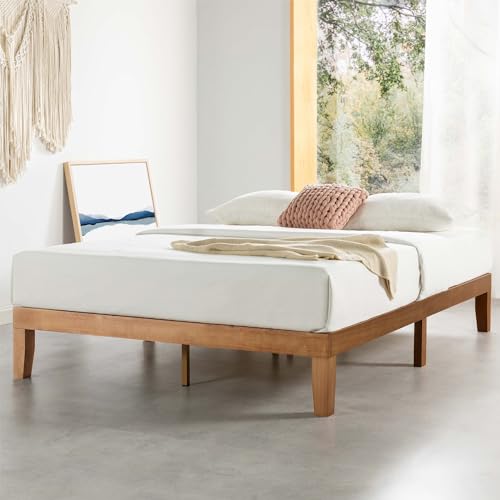


Prioritize sustainability without compromising style. Look for pieces that utilize eco-friendly materials or fair-trade practices. This not only benefits the environment but often results in unique designs that can stand out in your space.
Lastly, measure your space carefully before making selections. Accurate dimensions can prevent regrettable purchases that disrupt the visual flow of your home. Create a layout plan and ensure every item complements the existing decor.
Tips for Selecting Superior Household Items
Prioritize materials; solid wood constructions last significantly longer than particleboard or MDF. Inspect the joinery–dovetail, mortise and tenon joints indicate craftsmanship that enhances durability.
Examine upholstery closely; dense foam cushions offer better support than polyester fills. Fabrics like leather, wool, or high-performance synthetics wear better than cotton or linen in high-traffic areas.
Check the finish to ensure it’s smooth; uneven surfaces may indicate poor workmanship. For wooden surfaces, a natural oil or multi-step finish enhances longevity compared to basic stains or paints.
Test functionality–drawers should glide smoothly, chair legs should remain stable without wobbling, and reclining mechanisms need to operate effortlessly. These elements signify reliability in everyday use.
Research brands with a strong reputation for longevity. Look for warranties that cover defects in both materials and workmanship; this demonstrates the manufacturer’s confidence in their products.
Shop at retail outlets known for their selection of handcrafted items, where artisans prioritize detail. Pay attention to reviews from other customers regarding satisfaction to make informed purchasing decisions.
Identify Your Style Preferences
Begin by assessing what inspires you visually. Look through design magazines, websites, or social media platforms. Create a mood board capturing colors, patterns, and textures that resonate with you.
Determine Your Aesthetic
Identify which design style aligns with your personality:
- Modern: Clean lines, minimalistic décor, and functional pieces.
- Traditional: Classic designs, rich woods, and ornate details.
- Industrial: Raw materials, exposed bricks, and metal accents.
- Bohemian: Eclectic mix of vibrant colors and various cultural influences.
- Scandinavian: Light woods, neutral colors, and cozy textiles.
Consider Your Lifestyle
Your daily habits influence choices significantly:
- If you entertain often, opt for versatile seating options.
- Families might prefer durable materials for easy maintenance.
- Small spaces benefit from multifunctional designs.
By clarifying your style preferences, your selections will become more cohesive, leading to a harmonious environment that reflects your taste. Focus on mixing elements that speak to you while maintaining balance throughout the space.
Choose the Right Materials
Opt for solid wood instead of particle board or MDF. Hardwoods like oak, maple, and cherry offer durability and timeless aesthetics. Inspect the grain; unique patterns indicate genuine timber craftsmanship.
Upholstery Choices
Select fabrics that balance comfort and longevity. Leather is elegant and easy to clean; however, consider its climate adaptability. Synthetic options, such as microfiber, resist stains and provide affordability. Always test fabric durability by rubbing it and checking for pilling.
Metal and Glass Elements
For accents or structural components, stainless steel and tempered glass are ideal. Stainless steel resists corrosion, while tempered glass enhances safety and visual lightness. Assess any finishes to ensure longevity; powder-coating protects metal surfaces from scratches and discoloration.
Understand Furniture Construction Techniques
The joinery technique directly influences durability. Dovetail joints, particularly in drawers, create a strong hold that resists pulling apart, while mortise and tenon joints provide stability in larger pieces like tables and chairs. I look for these joints when evaluating craftsmanship.
Materials play a significant role in construction. Solid wood is preferable over particleboard or fiberboard, as it can withstand wear and retains its structure over time. Plywood, particularly high-grade, is also a solid choice for stability and longevity.
Support systems matter too. Look for sturdy bases; a well-constructed sofa should have serged and webbing support or sinuous springs, adding to its comfort and lifespan. I always check the undercarriage for signs of robust construction.
Finishes are an important aspect as well. A quality piece should have uniform surface treatment without bubbles or inconsistencies, indicating careful craftsmanship. I pay close attention to stains and paints, as they should enhance rather than obscure the natural characteristics of the material.
Finally, I consider weight. Heavier items typically indicate solid construction, while lighter pieces may compromise sturdiness. When I lift a chair or table, the weight can give me insight into its build quality.
Evaluate Comfort and Functionality
Assess the feel of seating options through direct experience. Sit on chairs, test sofas, and lie on beds to determine if they provide adequate support and comfort. Pay attention to the softness or firmness and how it aligns with your personal preferences.
Consider Ergonomics
Examine the ergonomic features of each piece. Look for contours that promote healthy posture, especially in office chairs and dining seating. Adjustable components are a plus, allowing customization to suit your body type.
Analyze Multi-Functionality
Identify pieces that serve multiple purposes. A sofa bed or an ottoman with storage not only helps save space but also enhances utility. Evaluate how well these features integrate into your living environment.
Set a Realistic Budget for Purchases
Establishing a budget gives direction and clarity to the buying process. I suggest breaking down the spending into categories:
- Essentials: Prioritize necessary items such as sofas, dining tables, and beds. Allocate a larger portion of the budget here.
- Accent Pieces: Designate funds for decorative items like coffee tables, side chairs, or lighting that complement primary items.
- Materials and Finishes: Account for costs related to better materials. Solid wood, leather, and durable fabrics often justify higher prices.
Consider potential lifecycle costs. Investing in durable pieces can save money over time, as they require fewer replacements. I compare prices across different retailers and platforms to find the best deals without compromising on substance.
Always include a percentage for unexpected expenses, typically around 10-15% of the total budget. This buffer helps manage any unanticipated costs, such as add-ons or necessary alterations.
Lastly, reevaluate partitions of the budget periodically. If one category is spending too much, adjust other sections accordingly to maintain balance and ensure all needs are met.
Research Reputable Furniture Brands
I prioritize identifying brands recognized for their durability and craftsmanship. Look for manufacturers with positive reviews, especially regarding long-term use. A strong reputation often signals commitment to quality.
Visit brand websites to explore their history, values, and production methods. Trustworthy companies frequently highlight their materials and construction details, as transparency is a hallmark of reliability. Seek certifications or awards related to sustainability and craftsmanship.
I utilize online forums and social media to gather insights from other consumers. Engaging in discussions can reveal experiences with various brands that may not be apparent in advertising.
Consider visiting brick-and-mortar stores to assess the furniture firsthand. Observing the aesthetic and feel helps to determine if the brand aligns with my preferences. Pay attention to store ambiance; reputable brands often maintain high standards in presentation.
Finally, explore warranties and return policies. A generous guarantee reflects confidence in their products, which I find reassuring when investing in new items.
Read Customer Reviews and Ratings
Before making a purchase, I ensure to check customer feedback. Positive reviews can indicate satisfaction with durability and design, while negative ratings often reveal underlying issues that may not be apparent. I focus on recent comments, as they reflect the current quality of the item.
Sifting Through Feedback
While browsing, I look for reviews that provide detailed insights, including pros and cons. Anecdotal experiences about delivery, assembly, and wear over time offer valuable glimpses into what I can expect. I pay attention to the product ratings; an average of 4 stars or above usually indicates that many buyers were pleased.
Identifying Patterns
When multiple reviewers mention similar issues–like uncomfortable seating or poor finish quality–it raises a red flag. I also take note of the responses from the retailer to these reviews; a brand that addresses concerns is likely to value customer input and strive for improvement.
By evaluating insights from other buyers, I make informed decisions that ultimately lead to a satisfying acquisition experience.
Inspect Furniture in Person
Visiting a showroom is crucial. I always check the dimensions carefully. Make sure the pieces fit my space comfortably. I take a measuring tape to verify sizes against my room’s layout.
Touch is as important as sight. I examine the fabrics and finishes up close. Textures tell a lot about durability. For upholstery, I prefer natural fibers over synthetics for breathability and longevity.
Look for joinery techniques. Solid wood joints, like dovetail or mortise and tenon, indicate craftsmanship. Avoid particle board or dowel construction; they compromise strength and longevity.
Sit on chairs, sofas, and sectionals. Testing comfort firsthand reveals how they feel during daily use. A sturdy base and supportive cushions matter significantly. Check how the furniture responds to weight and pressure.
| Aspect | What to Look For |
|---|---|
| Dimensions | Ensure fit in your space with measuring tape |
| Materials | Choose natural fibers for upholstery; inspect wood finishes |
| Construction | Look for solid joints like dovetail or mortise and tenon |
| Comfort | Test seating for support and responsiveness |
Notes are my best friend. I keep track of what I like and dislike. Observing inconsistencies helps me decide wisely. Ask questions about warranties and care instructions for ongoing maintenance.
Know the Return and Warranty Policies
I thoroughly check return and warranty policies before making any purchase. Understanding these terms can save me from potential headaches down the road. Each retailer has different rules, so it’s key to read the fine print. For returns, I look for time limits–some stores allow returns within 30 days, while others might extend that to 90 days. I confirm if I’ll need the original packaging or receipt to initiate a return, as missing these could complicate matters.
Assessing Warranty Details
Warranties can vary significantly. I prefer retailers offering solid protection on their items, often ranging from one to several years. I examine what the warranty covers: does it address structural issues, defects, or just cosmetic damage? Knowing the claims process is crucial too, as this will affect how easily I can address problems if they arise. Additionally, I pay attention to what might void the warranty, such as misuse or unauthorized repairs.
Final Considerations
Before concluding my purchase, I contact customer service if I have questions regarding the policies. Clear communication can indicate the retailer’s commitment to customer satisfaction. Understanding these policies equips me to make informed decisions, ensuring my investment is safeguarded against unforeseen problems.
FAQ:
What materials should I look for in high-quality furniture?
When shopping for high-quality furniture, it’s important to consider the materials used in its construction. Solid wood is a great option as it is durable and has a timeless appeal. Look for hardwoods like oak, cherry, or maple which provide longevity. Upholstered furniture should feature high-density foam or down-blend cushions, as these materials offer better comfort and support. Additionally, check for sturdy fabrics that are resistant to wear and tear, such as leather or high-quality synthetic fibers. Metal frames can add strength to tables and chairs, ensuring longevity. Overall, the choice of materials greatly impacts both aesthetics and durability.
How do I identify well-crafted joints and construction in furniture?
To assess the quality of furniture construction, examine the joints and overall assembly. Dovetail joints, mortise and tenon joints, and tongue-and-groove methods indicate a higher level of craftsmanship, as they provide strength and stability. In contrast, staples or simply glued joints may suggest lower-quality construction. Check the underside of tables or the back of cabinets for these joints. Additionally, ensure that all pieces fit together snugly without gaps. A well-constructed piece will feel solid and should not wobble. Taking the time to inspect these details can lead to a longer-lasting investment.
What factors should I consider regarding furniture style and functionality?
When choosing furniture, style and functionality should complement each other. First, think about your existing decor and the atmosphere you want to create. Traditional pieces often feature intricate designs, while modern furniture tends to have clean lines. Assess the functionality based on your lifestyle—if you entertain frequently, opt for spacious seating options and extendable tables. For smaller spaces, multifunctional furniture like ottomans with storage or sofa beds can be ideal. Prioritize pieces that fit your aesthetic while also meeting your practical needs, ensuring a cohesive look that serves your daily life.
Are there any tips for negotiating prices when buying furniture?
Negotiating furniture prices can be a strategic way to secure a better deal. Start by doing research on the typical price range for the specific pieces you’re interested in; knowing the market value gives you leverage. When in-store, observe any signs of wear or minor imperfections that you can use as negotiation points. Don’t hesitate to ask whether the price is negotiable or if there are any ongoing promotions. Always be polite and express genuine interest in the pieces; sometimes, simply showing that you are serious about purchasing can encourage sellers to offer a better price. Lastly, be prepared to walk away if you feel the price isn’t right; this can often prompt a last-minute concession from the seller.


