
 Caleb Turner
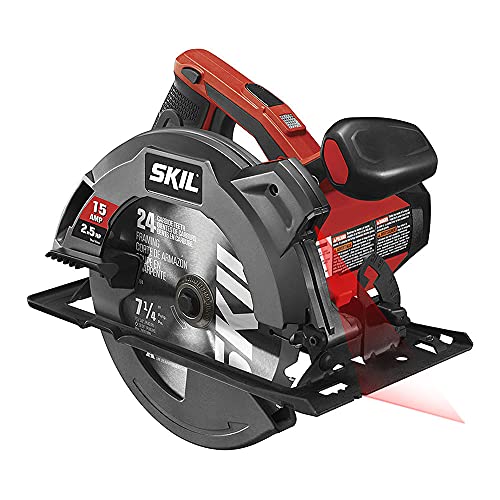
To modify height, remove the lower portion of each support with a saw. Measure accurately; cut uniformly, retaining balance. For aesthetic appeal, smooth edges using sandpaper to avoid splinters.
After cutting, check stability. Position individual parts on a flat surface, ensuring they sit evenly. If wobbling occurs, use furniture pads or felt strips under the uneven corner.
For those preferring a less permanent method, adding rubber stoppers is a viable alternative. These inserts not only provide height variation but also absorb shock and reduce floor damage.


Regular inspections and maintenance will ensure longevity. Periodically assess for wear, as adjustments may be necessary over time to maintain optimal comfort and stability.
Adjusting the Height of Your Seating
Begin by removing any attachments, such as cushioning or pads, to expose the structure. Use a measuring tape to determine the desired height. Mark the new measurement clearly on each post to ensure uniformity. A saw is essential for this task; choose a handsaw or circular saw based on your comfort level. Ensure the blade is sharp to achieve a clean cut.
After cutting, smooth the cut edges to prevent splinters and to maintain a clean look. Sanding the remaining surfaces with fine-grit sandpaper is advisable. Should your piece have decorative elements or finish, consider applying paint or stain to match the rest of the item seamlessly.
Stabilizing After Modification
Once you’ve adjusted the height, test the stability of your piece. If it’s wobbling, reinforce it with additional supports or brackets. For wooden components, wood glue can add stability. Consider leveling feet if the surface is uneven, allowing for proper balance. Double-check that all adjustments are secure before using it again.
Tips for a Professional Finish
Maintain uniformity across the piece by measuring each leg accurately. If you’re uncertain about the modifications, consulting a professional can provide guidance. Always prioritize safety; wear protective eyewear and gloves while cutting. Ensure your workspace is clear and safe to avoid accidents during the process.
Choosing the Right Tools for Shortening Furniture Legs
For this task, a miter saw or a circular saw is preferred for precision. Ensure the blade is sharp to achieve a clean cut. If working with softer materials like pine, a handsaw can suffice, although it may require more effort.
A square will help in marking straight lines, ensuring accurate cuts. Use a measuring tape to determine the desired height and mark it clearly on each post.
Clamps are handy for stabilizing the item during cutting, preventing any movement that could lead to mistakes. If your piece is heavy, a workbench will provide additional support.
After cutting, sandpaper or an electric sander will smooth the edges to avoid splinters. A level will verify that all shortened sections are even, maintaining stability. Don’t forget safety glasses and hearing protection while using power tools.
Measuring the Desired Height Accurately
To ensure precision, I take a measuring tape and position it next to the piece, aligning it from the floor to the intended endpoint. I recommend measuring multiple times to avoid discrepancies.
I typically mark the desired height on each leg with a pencil or tape, ensuring visibility. This helps maintain consistency when making adjustments across all supports.
For accurate results, I use a level to check that the marks are even across all points. If a piece has a unique shape or contour, measuring angles may be necessary to confirm uniformity. It’s crucial that these markings are clearly defined before proceeding with the cutting process.
Once marked, I review the measurements by comparing them with existing pieces or general standards, confirming that they align with my vision for the final look. Having a friend assist can provide additional perspective and ensure measurements are correct.
| Step | Description |
|---|---|
| 1 | Use a measuring tape to obtain height from the ground to the target point. |
| 2 | Mark the desired height on each support for clarity. |
| 3 | Employ a level to ensure marks are even across the structure. |
| 4 | Double-check measurements against other pieces or standards. |
| 5 | Consider getting a second opinion for added accuracy. |
Maintain focus and take your time with this phase. Precision now will facilitate a smoother process ahead.
Removing Furniture Legs Safely
Begin by ensuring the piece is stable and secure on a flat surface. I always flip the item upside down to grant clear access, which allows for visual inspection of any potential damage and ensures a safer working environment.
Next, I gently test each attachment point to confirm they are not overly tight or corroded. Using a socket wrench or screwdriver designed for the specific fasteners is crucial to avoid stripping. If necessary, a penetrating lubricant can help loosen stubborn connections.
Once everything seems ready, I recommend supporting the piece adequately with blocks or an alternative stable base while working to prevent tipping. It’s essential to hold the legs stable while unscrewing, as any sudden movement can cause injury or damage.
As I proceed, I keep my hands clear of pinch points. Maintaining awareness of my surroundings ensures no additional hazards are present. Using safety glasses protects my eyes from debris that might arise during the disassembly process.
After removing one leg, I check the alignment of the remaining ones to avoid creating instability in the remaining structure. I proceed to the next leg only once I ensure the first one is detached completely.
Finally, once all legs are removed, I inspect each attachment area for any damage that may need addressing before proceeding with any alterations. Ensuring every step is taken with caution will safeguard both the piece and myself throughout the entire task.
Techniques for Cutting Different Materials
For wood, I prefer a circular saw or a miter saw for straight cuts, ensuring a clean edge. Using a square guide helps maintain accuracy. If I need to cut intricate shapes, a jigsaw is my go-to tool, especially with fine-toothed blades for a smoother finish.
When dealing with metal, using a metal cutting saw or a band saw is essential. For thin sheets, I find a hacksaw works effectively, while plasma or laser cutting can be advantageous for more precise shapes in thicker materials.
For plastic or acrylic, a fine-toothed saw or a utility knife can yield clean results. I score the material several times with a utility knife before snapping it along the scored line.
Using the Right Cutting Tools
- Circular Saws: Ideal for quick and efficient wood cutting.
- Miter Saws: Best for precise angled cuts in wood.
- Band Saws: Effective for thicker wood and other materials.
- Jigsaws: Suitable for detailed cutting in various materials.
- Metal Cutters: Necessary for accurate cuts in metal items.
- Utility Knives: Useful for scoring and cutting thinner plastics.
Safety Considerations
- Always wear safety goggles to protect your eyes.
- Use ear protection with loud tools like saws.
- Ensure materials are secured before cutting to prevent movement.
- Check blades regularly for sharpness to enhance safety and effectiveness.
By selecting the appropriate tool for each material, I ensure a smoother cutting process and achieve the desired result consistently.
Reattaching Legs Securely After Shortening
For a solid connection, I use wood glue to reattach the shortened supports. After applying glue to the cut end, I ensure it’s distributed evenly before aligning it with the main structure. Clamping the joint helps maintain pressure while the adhesive sets, which usually takes several hours.
In addition to glue, I sometimes use screws for enhanced stability. I drill pilot holes at an angle through the support into the base for better grip and to prevent splitting. Selecting appropriate screws ensures a snug fit without the risk of loosening over time.
I pay close attention to ensure the reattached pieces are level, using a spirit level. This step is crucial to avoid any wobbling. If necessary, I make adjustments before the adhesive fully hardens.
After everything is secured, I clean any excess glue with a damp cloth to maintain a neat finish. Finally, I allow sufficient time for the materials to cure fully before putting weight on the reattached part, ensuring durability and strength.
Finishing Touches to Match the Original Appearance
To restore the original look after adjusting the height of a piece, I recommend applying a matching finish to the cut ends of the supports. Start by cleaning the cut areas to ensure proper adhesion of stains or sealants.
Select a stain that closely resembles the existing coloration. Test on a scrap piece or an inconspicuous area to confirm accuracy. Once the perfect match is identified, apply the stain with a brush or cloth, feathering it out to blend seamlessly with the surrounding surface.
Sealing the Cut Surface
After staining, apply a clear sealant to protect the area and enhance durability. This step is vital in preventing moisture intrusion that could lead to damage. Again, ensure that the sealant is compatible with the stain to maintain the sheen and finish of the rest of the structure.
Using Furniture Feet Protectors
If applicable, consider installing furniture feet pads on the base. Choose a style that complements the aesthetic while providing protection to the flooring. This not only aids in preserving the new dimensions but also fortifies stability.
Incorporating these finishing touches ensures that even after adjustments are made, the overall appearance remains intact, blending flawlessly with the original design.


