Caleb Turner

If you’re seeking to enhance the appearance of your beloved pieces, I recommend grabbing a bottle of natural oil. A blend of mineral oil or lemon oil works wonders, providing a gentle polish while nurturing the surface. Apply the oil with a soft cloth, gently buffing it into the grains to reveal a natural glow.
For deeper cleaning, mix equal parts of white vinegar and olive oil in a spray bottle. Lightly mist the surface and wipe with a microfiber cloth, which not only removes dirt but also gives a slight sheen without the use of harsh chemicals. This method maintains the finish while ensuring your items look fresh and inviting.
To protect the beauty of your selections, consider using a beeswax and oil paste. Applying it every few months creates a barrier against scratches and moisture, preserving the wood’s integrity and enhancing its natural hue. Just remember to buff it in well for the best results.
Care Tips for Natural Surfaces
For optimal results, utilize a mixture of white vinegar and olive oil in a 1:1 ratio. Apply it with a soft cloth, gently rubbing in the direction of the grain. This blend not only removes dirt but also enhances the luster of the surface.


Alternatively, combine equal parts of lemon juice and olive oil. This option provides a fresh scent and effectively conditions the material. Use a microfiber cloth for application to avoid scratching.
Regular dusting with a dry, soft cloth can prevent buildup that dulls appearances. For deeper cleaning, employ a dampened cloth followed by immediate drying to prevent moisture damage.
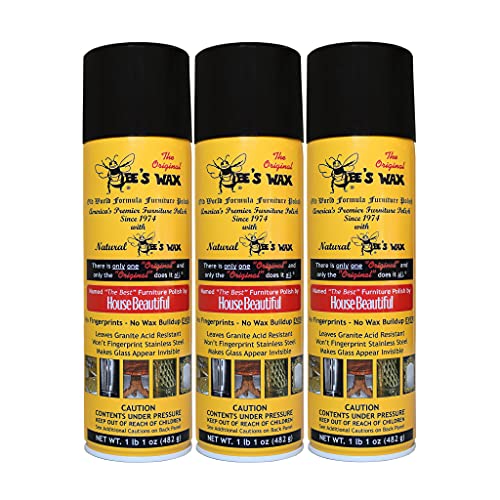
Consider using a natural beeswax polish for added protection. It creates a subtle sheen while safeguarding against future scratches. Apply sparingly with a cloth, buffing until the surface appears smooth and even.
Ensure to maintain a consistent environment, avoiding excessive humidity or direct sunlight which can warp or fade finishes over time. Regular maintenance preserves both beauty and integrity, keeping surfaces looking their best for years to come.
Choosing the Right Cleaning Products for Wood
Opt for pH-balanced cleaners specifically formulated for natural surfaces. Avoid harsh chemicals or abrasive materials that can damage the finish.
Natural Alternatives
- Mix equal parts of white vinegar and water for a gentle cleaning solution.
- Use olive oil combined with vinegar for a natural polish effect.
Commercial Products
- Select products labeled as “safe for treated surfaces” to ensure compatibility.
- Avoid lemon-based cleaners, as citric acid can cause fading over time.
Always test cleaning solutions on a hidden area before full application. This prevents potential adverse reactions and maintains the integrity of your items.
Preparing Your Furniture for Polishing
Before I begin the polishing process, I ensure that the surface is free from dust and debris. A fine microfiber cloth works effectively for this task, as it captures particles without scratching the finish.
Next, I inspect for any scratches or dents. For minor imperfections, a wax filler stick can be useful; I choose a color that closely matches the original stain. This step is critical to achieve a smooth finish post-polishing.
Cleaning the Surface
I never overlook deep cleaning prior to applying any polish. Using a damp cloth with a gentle cleaner specifically designed for this type of surface removes any built-up grime. After wiping, I dry the area thoroughly to avoid moisture damage.
Testing the Polish
Before applying any product widely, I conduct a patch test in an inconspicuous area to observe the reaction. This safeguards against unexpected alterations in color or sheen after application. Once I’m satisfied with the results, I proceed confidently with the polishing.
Step-by-Step Guide to Applying Furniture Polish
First, I gather the necessary tools: a soft, lint-free cloth, a clean sponge, and the polish. It’s critical to select a product suited for my specific finish. I always check the instructions on the label to ensure compatibility.
Next, I ensure the surface is free from dust and debris. I lightly dampen my cloth with warm water to wipe the surface, providing a clean foundation for the polish. After this, I allow the area to dry completely.
Then, I apply a small amount of polish directly onto the cloth, avoiding over-saturation. With the cloth, I use circular motions, covering one small section at a time. This method helps prevent streaking and ensures even coverage.
I pay close attention to the edges and corners, applying a bit more polish if necessary. After thoroughly working the product into the surface, I let it sit for a few minutes. This allows the polish to penetrate and nourish the material.
Finally, I buff the surface using a clean, dry portion of the cloth. This polishing technique helps to enhance the natural luster. For best results, I often repeat this process every few months, keeping everything looking pristine and well-maintained.
Natural Alternatives for Shining Wood Surfaces
To achieve a beautiful luster on treated surfaces without commercial products, I rely on a few effective natural methods.
First, I mix equal parts of olive oil and white vinegar. This solution not only cleans but also nourishes the surface, leaving a soft sheen. I apply it with a microfiber cloth, buffing in the direction of the grain.
Another great option is beeswax. I use a small amount and rub it onto the surface with a soft cloth. Once applied, I let it sit for a few minutes before buffing. This creates a protective layer while enhancing the natural beauty.
For a refreshing scent and additional shine, I create a blend of lemon juice and olive oil. The acidity of lemon helps cut through grime while the oil protects. I usually mix one part lemon juice with two parts olive oil.
A paste made from baking soda and water can effectively remove stubborn stains. I apply the paste gently using a damp cloth, then rinse and dry thoroughly before applying any oil or wax.
Lastly, I recommend using a combination of tea and water. Steeping a few tea bags and using the cooled tea to wipe down surfaces not only cleans but also imparts a rich tone.
| Natural Method | Ingredients | Application |
|---|---|---|
| Olive Oil & Vinegar | 1 part olive oil, 1 part vinegar | Buff with a cloth |
| Beeswax | Pure beeswax | Rub on, buff off |
| Lemon & Olive Oil | 1 part lemon juice, 2 parts olive oil | Apply, then buff |
| Baking Soda Paste | Baking soda and water | Gently scrub, rinse |
| Tea Solution | Steeped black tea | Wipe down with tea |
Utilizing these natural methods maintains the appeal of my surfaces while ensuring they remain eco-friendly.
Techniques for Buffing and Shining Wood Furniture
To achieve a brilliant finish on your wooden surfaces, avoid common mistakes by using a soft microfiber cloth or a natural fiber cloth for buffing. These materials will not scratch the finish and will help distribute polish evenly.
Using Circular Motions
Employ circular motions while buffing. This technique helps evenly spread the polish and prevents streaks. Start from one end of the piece and work your way across, ensuring you cover every section. If using a mechanical buffer, keep it moving to avoid overheating any area.
Layering Method
Consider a layering approach with the application of multiple thin coats instead of a single thick layer. Allow each coat to dry fully before applying the next. This method enhances depth and gloss over time.
For best results, finish with a clean, dry cloth to remove any excess polish and achieve that final touch of brilliance. Regular buffing maintains the quality and appearance of your pieces, making it worth the small effort.
Maintaining Shine: Tips for Long-Lasting Results
Regular maintenance significantly extends the lifespan of the appearance of your surfaces. I recommend following these tips:
- Clean spills immediately. Wipe any liquid promptly with a soft cloth to prevent staining and water damage.
- Use coasters and placemats. Protect surfaces from scratches, heat, and moisture by keeping items elevated.
- Dust often. Use a microfiber cloth to eliminate dirt and debris. This prevents scratches and maintains a uniform luster.
- Consider a routine polishing schedule. Every few months, apply a suitable product to keep surfaces nourished and looking fresh.
- Limit direct sunlight exposure. Ultraviolet rays can fade and damage finishes. Rotate items to ensure even wear.
Establishing a protective environment enhances longevity. For instance, placing your cherished pieces away from high-traffic areas minimizes potential damage.
Inspect your items regularly. Look for signs of wear or damage and address them immediately to prevent further deterioration.
Incorporating these practices into your routine will ensure enduring brilliance and elegance in your cherished possessions.
Avoiding Common Mistakes When Polishing Wood
Always test any new products on an inconspicuous area before applying them to the entire surface. This helps identify any adverse reactions.
Using excessive polish can create a build-up that dulls rather than enhances the appearance. Apply thin, even coats to avoid this issue.
Skipping the cleaning step can trap dust and grime beneath the polish. It’s crucial to cleanse surfaces thoroughly prior to application.
Avoid using abrasive materials for buffing, as they can scratch the finish. Soft, lint-free cloths are optimal for achieving a smooth result.
Be mindful of moisture levels; too much humidity can hinder the process and lead to uneven finishes. Ensure proper ventilation while working.
Don’t forget to regularly maintain surfaces after polishing. Establishing a routine can prevent the need for heavy restoration later.
Lastly, steer clear of products with strong solvents that may damage the finish over time. Opt for gentle, suitable alternatives to protect your pieces.
FAQ:
What are some natural ways to shine wood furniture at home?
There are several natural methods you can use to make your wood furniture shine. One popular method involves mixing equal parts of olive oil and vinegar. Apply this mixture using a soft cloth to polish the furniture. Another option is using beeswax; simply rub it onto the surface and buff it with a clean cloth. Additionally, lemon juice mixed with olive oil can provide a fresh scent along with a shine, while adding an extra layer of protection.
How often should I polish my wood furniture to keep it looking good?
The frequency of polishing your wood furniture depends on its usage and the environment. Generally, it’s advisable to polish every 3-6 months for pieces that experience a lot of use, like dining tables. For less frequently used items, like decorative pieces, once or twice a year may suffice. Observing how the furniture looks can also inform you; if it appears dull or lacking luster, it might be time to polish.
Can I use any type of cloth to shine my wood furniture?
Using the right cloth is important for polishing wood furniture. A soft, lint-free cloth, such as a microfiber cloth, is ideal as it won’t scratch the wood surface. Avoid rough fabrics or paper towels, as they can cause micro-scratches. Additionally, it’s best to use a separate cloth for applying the polish and a different one for buffing to achieve the best shine.
Are there any commercial products that can effectively shine wood furniture?
Yes, there are many commercial wood polish products available that can effectively enhance the shine of your furniture. Look for products labeled as furniture polish or wood conditioner. It’s important to choose a product that is suitable for the type of wood you have. Always follow the manufacturer’s instructions for use. Testing a small area first can help ensure that the product doesn’t adversely affect the finish.