
 Caleb Turner
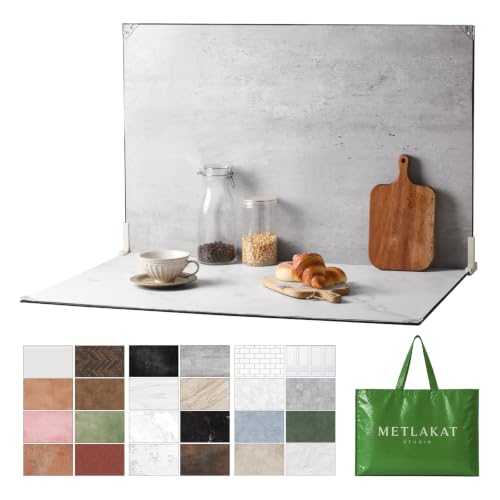
First, capture attention with high-quality images. Invest time in staging your pieces well-lit and in an appealing context. This draws the eye and significantly increases interest in your offerings.
Consider utilizing popular community marketplaces like Facebook Marketplace or Craigslist. These platforms allow for local visibility, making it easier for potential buyers to find what they need without the hassle of shipping logistics. Ensure your descriptions are clear and include relevant details such as dimensions, materials, and any wear or imperfections.
Price your items competitively based on local market trends. Research similar listings to gauge appropriate pricing. Setting an attractive price increases the chances of a quick sale while still ensuring you receive a fair return.
Engage directly with interested buyers by responding promptly to inquiries. Building rapport can make the process smoother and more pleasant for all involved. Don’t hesitate to negotiate; flexibility can often lead to a successful transaction.
Lastly, consider the timing of your listings. Certain seasons may bring higher demand; for instance, late spring and early summer often see an uptick in home-related purchases. Planning your sales around these periods can lead to quicker placements of your items.


Effective Strategies for Local Furniture Transactions
I recommend taking high-quality photos that highlight your item’s best features. Natural light works wonders, so consider shooting during the day. Capture multiple angles and close-ups to give potential buyers a comprehensive view.
Crafting an Attention-Grabbing Description
Provide essential details such as dimensions, material, and any unique characteristics. Be honest about the condition; if there are scratches or dents, mention them to build trust. Use descriptive language to create an enticing narrative; for instance, instead of just stating “wooden table,” say “solid oak dining table with elegant finish.”
Choosing the Right Platforms for Advertisement
Utilize local classifieds like Craigslist or Facebook Marketplace, as these platforms attract community members. Look into specialized apps for home goods as well. Each option comes with various features, so experiment to discover what yields the best response in your area.
Choosing the Right Online Platform for Local Sales
Research popular marketplaces in your area like Craigslist, Facebook Marketplace, or OfferUp. These platforms often have large user bases which can facilitate quicker transactions.
Evaluate the user interface of each platform. A straightforward layout with clear categories aids efficient browsing, improving your chances of connecting with buyers.
Check the fees associated with each site, as some may charge listing or transaction fees that could cut into your potential earnings. Opt for options that allow free listings to maximize your profits.
Engage with local community groups on social media. Many neighborhoods have buy/sell/trade pages where you can post your items, reaching a more targeted audience.
Consider the mobile app experience. An intuitive mobile app can enable quick communication and facilitate listings on-the-go, ensuring you don’t miss potential buyers.
Assess the safety features of each platform. Look for options that provide buyer/seller profiles and messaging systems, allowing for safer transactions and facilitating better communication.
Leverage platforms with strong search features. Tagging your items with popular keywords can enhance visibility and draw interest from prospective buyers actively searching for specific types of merchandise.
Preparing Your Furniture for Sale: Cleaning and Repairing
Begin with a thorough cleaning. Use a vacuum with attachments to remove dust and debris from all surfaces, including crevices. Wipe down wooden surfaces with a damp cloth and a suitable wood cleaner. For upholstered items, check if the fabric can be spot-cleaned or machine-washed, and test any cleaning solution on a hidden area first.
Assessing and Fixing Damage
Inspect thoroughly for any signs of wear or damage. For scratches on wood, consider using a scratch repair pen or wood polish. If legs are wobbly or joints are loose, tighten screws or use wood glue to secure them. Replace broken hardware like knobs or hinges to improve functionality and appearance.
Staging for Presentation
Present items attractively when taking photos. Arrange pieces in a clean, well-lit environment without clutter in the background. Highlight any unique features and angles. Use props to give context, like placing a decorative item on a shelf or using appropriate lighting. Ensure that photographs are clear and focused to attract potential buyers.
Taking High-Quality Photos to Attract Buyers
Utilizing natural light is vital; I always shoot during the day near windows to capture the best illumination. Avoid using direct sunlight, as it creates harsh shadows. Instead, opt for overcast days or shaded areas for a balanced look.
Having a clean background is essential. I prefer to declutter the space behind the item and use a neutral-colored wall or sheet. This eliminates distractions and keeps the focus on the piece itself.
Multiple angles provide a complete view. I take images from various perspectives: front, sides, back, and close-ups to highlight intricate details or any features that may be appealing.
Investing in a good camera or using the latest smartphone can make a significant difference. I ensure the lens is clean and opt for a higher resolution to enhance clarity. Resolution is key; I aim for at least 1024 pixels on the longest side.
I utilize editing apps to fine-tune photos. Simple adjustments like brightness, contrast, and saturation can enhance the image without altering the item’s true appearance. However, I avoid heavy filters that distort reality.
Incorporating lifestyle shots can be effective. I place the item in a setting that showcases its potential use, making it easier for buyers to envision it in their space.
Lastly, consistency matters. I aim to maintain a similar style across all images–using the same background and lighting conditions–for a cohesive look that builds trust with potential buyers.
Writing Compelling Descriptions for Your Listings
Highlight key features that differentiate the item you’re offering. Specify dimensions, materials, colors, and any unique aspects that stand out. For instance, instead of simply stating “wooden table,” say “solid oak dining table with intricate carvings and a rich mahogany finish.”
Utilize Descriptive Language
Engaging adjectives can create a vivid picture in potential buyers’ minds. Consider phrases like “modern sleek design” or “rustic charm” that evoke an emotional response. Use sensory details: mention the texture, smell, or feel of the item.
Be Honest and Transparent
Clearly outline any imperfections. If there’s a scratch, mention it along with how it can be repaired. Honesty builds trust; buyers appreciate transparency which can lead to quicker sales.
- Include dimensions for accurate fit.
- Mention brand and model if applicable.
- Highlight the item’s history or usage, if interesting.
Craft a compelling narrative around the item. Share a brief story–what made you purchase it or how it has served you. This personal touch can resonate with buyers looking for more than just a product.
Conclude with a call to action. Invite potential buyers to reach out with questions or to arrange a viewing. Phrases like “Don’t miss out on this opportunity!” can create urgency.
Setting a Competitive Price for Your Pre-Loved Items
Research similar items in your area to gauge fair pricing. Check local listings on various platforms and pay attention to both sold and unsold pieces to understand market trends.
Consider the condition, age, and brand of your item. High-quality brands or well-preserved pieces can warrant higher prices. For example, antique or designer items might have greater value compared to generic pieces.
Strategies for Pricing
- Begin with a high price and adjust based on interest. If your listing doesn’t generate inquiries within a week, consider lowering the price.
- Utilize the 70% rule. List your item at about 70% of the original retail price if it’s in good condition. Adjust this percentage for wear and tear.
- Factor in negotiation. Buyers often expect to haggle, so set an initial price slightly above what you’re willing to accept.
Pricing Based on Demand
Assess how urgently you need the money or space. If a quick sale is necessary, consider pricing below the average to attract buyers. Seasonal trends can also influence demand; for example, outdoor items may sell better in spring or summer.
Monitoring competitor listings and adjusting your prices accordingly can help maintain competitiveness. Flexibility and awareness of the market can lead to successful transactions.
Managing Communication with Potential Buyers
Respond to inquiries within a few hours to keep potential buyers engaged. Timely responses can significantly increase the chance of closing a deal.
Be Clear and Concise
Craft messages that are straight to the point. Provide important details about the item, such as dimensions, condition, and any unique features. Ensure your responses remain professional and friendly.
Encourage Questions
Invite potential buyers to ask for additional information. A willingness to answer queries not only demonstrates transparency but also establishes trust. Be prepared to clarify aspects like delivery options and payment methods to facilitate a smooth transaction.
Organizing Safe and Convenient Pickup or Delivery Options
For an efficient transaction, establishing reliable pickup or delivery processes is crucial. First, decide whether the buyer will collect the item or if home delivery is required. If pickup is chosen, provide clear instructions regarding the location, parking availability, and any special conditions, like stairs or narrow hallways that may complicate the process.
Setting Up Pickup
To facilitate smooth pickups, consider the following tips:
- Schedule a time that works for both parties. Weekends might be ideal for many buyers.
- Be flexible and accommodating regarding timing. Consider using apps like Google Calendar for easy scheduling.
- Prepare the item for quick loading. Disassemble larger pieces if necessary and ensure all parts are easily accessible.
Delivery Considerations
If delivery is an option, either through a service or personal transport, keep these points in mind:
- Research local delivery services that specialize in transporting large items. Compare prices and reviews to find a reliable option.
- Assess the distance between your location and the buyer’s. Calculate delivery fees accordingly, ensuring the costs are transparent.
- Confirm that the delivery team has the right tools for moving heavy items safely, such as dollies or moving blankets.
- Set a suitable time for delivery, and communicate any specific requirements, such as entryways or space constraints at the buyer’s location.
| Option | Pros | Cons |
|---|---|---|
| Pickup | Cost-effective, buyer handles transport | Requires clear instructions, potential for delays |
| Delivery | Convenient for buyers, less hassle for seller | Higher cost, depends on available services |
Safety is paramount. Always prioritize health protocols during in-person meetings, such as wearing masks and maintaining distance, especially if buyers are visiting your home. By organizing these logistics effectively, not only do I enhance the buying experience, but I also protect my interests as a seller.


