
 Caleb Turner
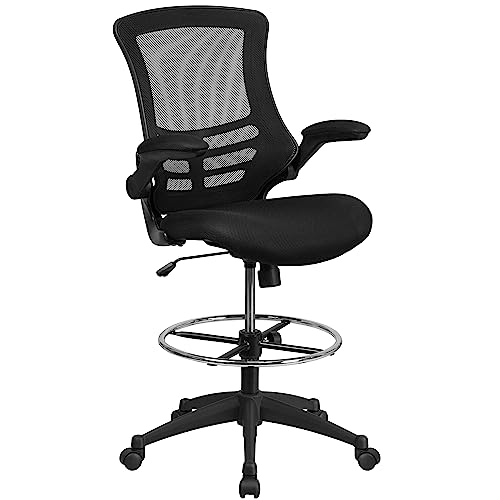
I recommend assessing the condition of your unused items first. Take detailed photographs, document imperfections, and create a comprehensive inventory. This will not only aid in transparency but also attract interested buyers who appreciate honesty.
Next, explore multiple platforms for listing your merchandise. Websites like Craigslist, Facebook Marketplace, and local classifieds are effective for reaching potential customers in your vicinity. Additionally, consider specialized marketplaces tailored for workplace equipment, which can enhance visibility among targeted buyers.
Pricing is pivotal. Research current market trends for comparable pieces to establish competitive rates. Setting fair prices encourages quicker transactions while still achieving a reasonable return on investment.
To further increase interest, write clear, engaging descriptions highlighting key features, dimensions, and potential uses of each item. Prospective buyers often appreciate understanding how these pieces can fit into their spaces or needs.


Lastly, consider holding a sale event at your location. This not only garners local attention but also allows for immediate transactions, making it easier to clear items efficiently while meeting customers face-to-face.
Strategies for Disposing of Pre-owned Workspace Items
List items clearly with descriptions and dimensions. Include high-quality images to attract interest. Potential buyers appreciate seeing the actual condition of the products.
Utilize multiple online marketplace platforms. Websites like Craigslist, Facebook Marketplace, and specialized resale sites cater to local buyers looking for budget-friendly options.
Consider bundling items to increase appeal. Selling chairs, desks, and storage units as a package can make the offer more enticing to buyers seeking to furnish a space quickly.
Price competitively based on research. Compare similar listings to set an attractive price point while ensuring you still make a profit.
Host a sale event. Invite local businesses or community members, providing an opportunity for direct transactions and interaction with potential buyers.
Leverage social media. Share posts about available items on personal and business accounts to expand your reach. Engage followers with updates, and encourage them to share.
Offer delivery options if feasible. Many buyers may prefer convenience, so presenting delivery services can increase the odds of a successful transaction.
Be responsive. Promptly answer inquiries to build trust with potential buyers. This can expedite the decision-making process.
Gather testimonials from previous buyers to build credibility. Positive feedback highlights the quality and reliability of what you are offering.
Assessing the Condition of Your Workspace Essentials
I begin by thoroughly examining each item for visible wear and tear. Scratches, dents, and stains can significantly impact their appeal. For surfaces, I assess the finish and consider how much it has faded or dulled over time.
Functionality Check
Next, I test all movable parts. Chairs should glide smoothly, and desks must stand firm with no wobbling. Any broken components must be repaired or replaced before presenting them for sale.
Quality and Brand
I take note of the manufacturer. High-quality brands retain value better than lesser-known ones. If available, I gather original purchase information or warranty documents to boost credibility and attract potential buyers.
Identifying the Right Market for Your Items
Research local businesses looking to furnish their spaces with budget-friendly alternatives. Small companies, startups, and non-profits often seek well-maintained equipment to minimize costs. Network with local entrepreneurs and offer your items directly or through community forums.
Explore online marketplaces tailored for secondhand goods. Websites like Craigslist, Facebook Marketplace, and OfferUp attract buyers interested in pre-owned items. Take high-quality photos and write clear descriptions to capture potential buyers’ attention.
Consider approaching consignment shops that specialize in near-new goods. They may be able to display your offerings, expanding your reach beyond your immediate network. Check their commission rates and policies before proceeding.
Attend local trade shows or community events related to business and commerce. Setting up a booth allows you to showcase your items to prospective buyers while engaging with the community. Prepare promotional materials that detail the benefits of your offerings.
Identifying your target demographic is key. Conduct surveys among local businesses or utilize social media polls to assess what potential buyers are seeking. Tailor your marketing approach based on the feedback received, ensuring you’re addressing their specific needs.
Taking Quality Photos for Online Listings
Use natural light whenever possible. Take pictures near a window to enhance the colors and details without harsh shadows.
- Cleaning: Wipe down all surfaces to remove dust and fingerprints. A clean appearance makes items more appealing.
- Avoid Clutter: Capture the item against a neutral background to avoid distractions. A plain wall or a simple sheet can work well.
- Angles: Showcase multiple views. Capture the front, sides, and any unique features. This provides potential buyers with a comprehensive look.
- Height: Use a tripod or steady surface to take photos at eye level, ensuring the item looks approachable.
- Details: Focus on any imperfections. Zoom in on scratches or dents to provide full transparency.
Lighting Techniques
Use softbox lights or diffusers for indoor shots. Bright, even lighting helps reveal the details and prevents glare.
Editing Tools
Utilize basic photo editing software to enhance brightness and contrast. Avoid excessive filters that could misrepresent the item.
Including measurements in your listing alongside photos can also help buyers visualize the fit within their space. Consider adding a person for scale in some images, as this gives a better sense of size compared to empty rooms or walls.
Writing Compelling Descriptions for Your Items
Focus on specificity. I clearly outline dimensions, materials, and any notable characteristics. Instead of simply stating that a chair is “comfortable,” I describe its ergonomic design and cushioning, explaining how it enhances the sitting experience during long hours.
Highlight Unique Features
I emphasize what sets each piece apart. For example, if a desk has built-in storage or adjustable height features, I mention these advantages explicitly, appealing to potential buyers seeking functionality and style.
Provide Context
I provide potential buyers with practical scenarios. Instead of saying a table is suitable for meetings, I explain how it fosters collaboration and creativity, enhancing productivity in a team-oriented environment. This contextual detail resonates with buyers envisioning the item in their own space.
Choosing the Best Online Platforms to Sell
Utilizing popular marketplaces can significantly increase visibility for your items. eBay and Craigslist are two powerful platforms; eBay provides auction-style listings, while Craigslist offers a straightforward approach that connects buyers in your local area directly with you. For a more specialized audience, consider using platforms like Chairish and AptDeco, ideal for vintage and designer pieces.
Social Media Channels
Facebook Marketplace is another effective tool, allowing you to engage with local buyers and manage sales directly through the app. Additionally, Instagram can serve as a visual showcase; using aesthetically pleasing photos can attract potential customers who appreciate quality design. Be sure to utilize relevant hashtags to reach a broader audience.
Dedicated Selling Apps
Mobile applications like OfferUp and Letgo cater to quick and local transactions, making them ideal for efficient sales. These apps often feature user-friendly interfaces, which streamline the listing process. Don’t forget about LinkedIn; if your items cater to businesses, posting there can attract corporate buyers looking for affordable options.
Setting Competitive Prices for Your Furniture
I recommend researching similar items on various online platforms to gauge their pricing. This helps in establishing a baseline for your pieces. Check listings that have recently sold to see what buyers are willing to pay.
Next, evaluate the condition of your items. If they are in excellent condition, you should aim for a higher price point, but be realistic if there are signs of wear and tear. Adjust your expectations based on the actual state of each piece.
Consider the original purchase price and depreciation. Most office equipment loses value over time, generally around 20-30% per year, depending on its condition and brand reputation. Factor this into your pricing strategy.
Think about your target audience. Are you appealing to startups or established businesses? Knowing who will likely buy your items can influence your pricing. For budget-conscious buyers, a slightly lower price can motivate a quicker sale.
Finally, be open to negotiation. Many potential buyers expect to bargain; setting a slightly higher initial price allows room for them to negotiate down to a mutually agreeable amount. Establish your lowest acceptable price beforehand to avoid frustration during negotiations.
Managing Buyer Inquiries and Negotiations
Respond to inquiries swiftly. Timely communication demonstrates professionalism and enhances the likelihood of a successful transaction. Keep your answers clear and concise, addressing any specific questions regarding the items’ condition, dimensions, and pick-up or delivery methods.
Strategies for Effective Negotiation
Be prepared for negotiation. Determine a minimum price beforehand, allowing room for negotiation. It’s helpful to present similar items and their market prices to validate your asking price. This data strengthens your position and makes your offer more appealing.
Listen actively to potential buyers. Understanding their concerns or requests regarding price adjustments can help in tailoring your response. Empathy can lead to agreeable solutions that benefit both parties.
Table of Common Buyer Questions and Suggested Responses
| Buyer Question | Suggested Response |
|---|---|
| Is the price negotiable? | Yes, I’m open to reasonable offers. What do you have in mind? |
| What is the condition of the item? | The item is in good shape with minor wear and tear. I can provide additional photos if needed. |
| Do you offer delivery? | I currently do not offer delivery, but I can assist in coordinating pick-up. |
| Is there any warranty or return policy? | There is no warranty, and all sales are final. I encourage you to inspect the item before purchasing. |
After achieving a mutually agreeable price, confirm the terms of the transaction clearly. Set a date for pick-up or payment to avoid misunderstandings. Establishing expectations from the beginning contributes to a smooth experience for both you and the buyer.
Arranging Delivery or Pickup for Sold Items
After finalizing a transaction, I always confirm the logistics of delivery or pickup with the buyer. Clear communication is key. I outline the preferred times for both parties and ensure these align.
Delivery Options
When organizing delivery, I consider several options:
- Third-Party Services: I research local moving companies or delivery services. Getting a quote in advance helps set expectations.
- DIY Approach: If I have a suitable vehicle, I may choose to handle the transportation myself. This frequently saves money.
- Buyer’s Responsibility: Sometimes, I recommend that the buyer arranges their own pickup. This can simplify matters considerably.
Preparing for Pickup
If the buyer opts to collect the items, I take the following steps:
- Schedule a Time: I set a specific time for pickup to ensure I am available to assist.
- Disassemble If Necessary: For larger pieces, I disassemble them beforehand, making the loading process smoother.
- Provide Assistance: I offer help when loading the items into their vehicle, making it easier for the buyer.
- Payment Confirmation: Before they leave, I ensure payment has been received in full.
By establishing a clear plan for delivery or pickup, I simplify the entire process and contribute to a positive experience for the buyer.


