Caleb Turner
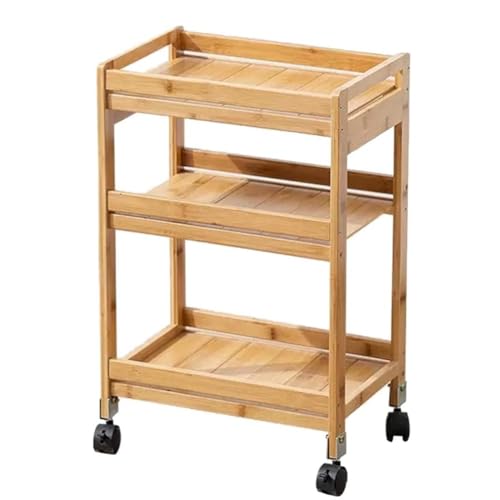
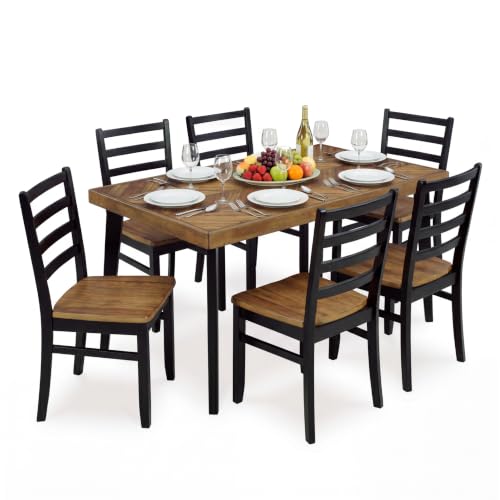
To maximize profits from your household items, I recommend leveraging local online marketplaces such as Facebook Marketplace and Craigslist. These platforms allow you to reach a local audience efficiently. Ensure to take high-quality photos that highlight the unique features of each piece, and write clear, detailed descriptions, including dimensions and materials.
Another smart approach is organizing a garage sale. Advertise it through community boards and local social media groups. Setting up attractive displays can draw more visitors and enhance sales. Consider collaborating with neighbors for a larger event; this can attract more traffic and create a festive atmosphere.
Remember to price items competitively–research similar listings to gauge fair pricing. Offering bundle deals can encourage buyers to purchase multiple pieces, increasing your overall sale potential. Don’t shy away from negotiation; being open to offers can help you close transactions faster.
If you’re looking for a more streamlined option, consider donating to local charities. Many organizations will even pick up items, making it hassle-free for you while supporting a great cause. This can also provide you with tax deductions, adding additional value to your generosity.
Maximizing Your Chances to Find Buyers
Utilize local social media groups dedicated to home decor and buying/selling. Platforms like Facebook have numerous community pages where you can post your items, often leading to a quicker sale. Engaging with your audience there can be effective; respond to inquiries promptly.


Optimize Online Listings
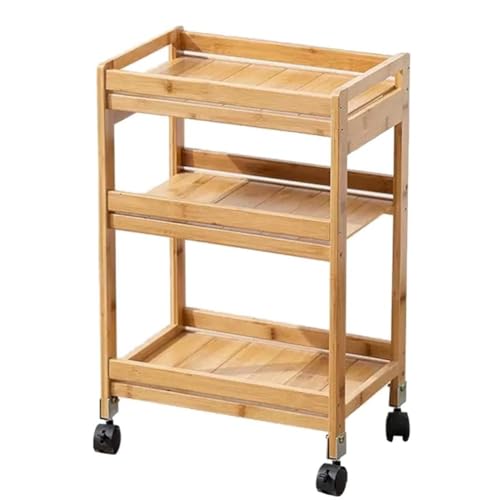
For online marketplaces, take high-quality photos from various angles. Highlight unique features or any imperfections openly in the description. This transparency helps build trust. Research similar items in your area to set a competitive price that attracts inquiries while ensuring you don’t undervalue your piece.
Host a Local Event
Consider organizing a small open house or garage sale to showcase your items physically. Promote the event through local flyers and neighborhood apps. Having potential buyers experience the items in person can significantly enhance their perceived value and expedite the transaction process.
Identifying Your Target Market in Atlanta
Analyze demographics to pinpoint who is most likely to be interested in your merchandise. Atlanta presents a diverse population with varying income levels, lifestyles, and preferences. Focus on key groups such as young professionals, families, and students. Each group has its unique requirements and tastes.
Younger Professionals
- Design and functionality are significant. Look for modern, space-saving designs.
- Price is a consideration but so is quality; aim for mid-range products.
- Style trends often lean toward minimalism with bold accents.
Families
- Prioritize durability and safety features, especially with children around.
- Storage solutions appeal strongly; items that can tackle clutter are favored.
- Family-oriented styles often include warm colors and versatile pieces for everyday use.
Conduct surveys or focus groups within these demographics to gather direct feedback on preferences and price points. Utilize social media platforms and local forums for broader outreach, ensuring a deeper connection with the community.
Adjusting marketing strategies based on feedback will help in effectively reaching potential clients. Consider seasonal trends and local events to enhance engagement and visibility. Collaboration with local influencers can also amplify reach and credibility within these segments.
Choosing the Right Selling Platform for Furniture
To maximize my reach, I select platforms that resonate with local buyers. Craigslist and Facebook Marketplace are popular because they attract a diverse audience, allowing for quick sales without significant fees. I ensure my listings are complete with clear photos and accurate descriptions to stand out in a crowded marketplace.
Exploring Niche Websites
I also consider specialized websites like OfferUp and Letgo. These platforms cater specifically to secondhand goods and often feature a user-friendly interface that encourages fast transactions. I pay attention to their community guidelines and recommended pricing strategies to position my items competitively.
Utilizing Social Media
Engaging on social media platforms, particularly Instagram, enables me to showcase my pieces in a visually appealing manner. I create posts that highlight the aesthetics and functionality of each item and use relevant hashtags to reach potential buyers. Joining local groups on Facebook can also foster connections with interested individuals.
Listing Your Items: Tips for High-Quality Photos and Descriptions
Choose natural lighting to capture clear images. Position your items near windows or outdoors during the day to enhance visibility and details. Avoid flash; it can create harsh shadows and distort colors.
Angles and Perspectives
Take photos from multiple angles to provide potential buyers with a complete view. Front, side, and top-down shots help showcase the design and functionality. Include close-ups of unique features or any imperfections for transparency.
Descriptions that Sell
Craft descriptions that highlight key attributes. Use specific measurements, material types, and colors. Instead of generic terms, describe the style (e.g., modern, rustic), and mention any unique selling points like handmade elements or brand names.
| Tip | Description |
|---|---|
| Lighting | Utilize natural light for clear and flattering images. |
| Multiple Angles | Showcase from different perspectives to convey the look and feel. |
| Detail Shots | Include close-ups of materials and unique aspects. |
| Measurements | Provide dimensions to help visualize space requirements. |
| Condition | Clearly state any wear and tear to set accurate expectations. |
By focusing on these elements, I can attract more inquiries and foster trust among potential buyers, making my listings stand out in the marketplace.
Pricing Strategies: How to Determine the Right Price for Your Furniture
Research the market thoroughly to set a competitive price. Check online platforms and local marketplaces to gauge what similar items are being listed for. Aim for a price that reflects quality while remaining attractive to potential buyers.
- Analyze condition: Assess the physical state of each piece. Minor wear may justify a lower price, while excellent condition can command a premium.
- Consider brand impact: Established brands often carry a higher resale value. Factor in brand reputation and demand levels.
- Evaluate materials used: Pieces crafted from solid wood or high-quality fabrics typically are valued more than those made from particle board or synthetic materials.
- Account for original pricing: Take into consideration the original purchase price, applying depreciation based on age and condition. A common rule is to reduce the price by 30-50% from the retail value.
Offer flexibility in pricing by allowing room for negotiation. Set a price slightly higher than what you’re willing to accept. This strategy creates a buffer for buyers to feel they are getting a better deal.
- Write down your minimum acceptable price to maintain clarity on your bottom line.
- Be prepared for reasonable offers. Respond promptly to inquiries and counter with a fair number.
Consider seasonal trends that might affect demand. For example, certain styles gain popularity during specific times of the year, which can influence pricing strategies.
Lastly, don’t underestimate the power of unique selling points. If your item has distinctive features or a story behind it, highlight these aspects in your listings to justify a higher price. Good luck!
Local Regulations and Best Practices for Selling Used Items
Research the local laws regarding secondhand goods. In many cases, a seller must comply with specific regulations, like collecting sales tax. Familiarize yourself with the Georgia Department of Revenue rules to ensure compliance.
City ordinances may dictate where and how to conduct transactions. Check if there are restrictions on street vending for selling used merchandise, particularly on public lands or during events. Obtaining necessary permits or licenses could be required!
Prior to listing products, thoroughly clean and inspect each piece. Providing a clear, accurate description can help prevent disputes post-sale. It’s wise to document any damages or issues and communicate them upfront.
Engaging with local online groups or platforms that focus on community sales can be beneficial. For instance, certain neighborhoods might have their own classified pages on social media, allowing for targeted outreach.
Safety concerns are paramount, especially when meeting potential buyers. Choose well-lit public locations for exchanges, and consider bringing a friend along for added security. Always trust your instincts about who to engage with.
Encouraging potential buyers to inspect items in person helps foster trust. Transparency regarding pricing and conditions can lead to smoother transactions and positive relationships within the community.
Being aware of environmental regulations is also key, particularly if items are large or heavy. Ensure that you handle pickups and deliveries in a manner that adheres to local waste management policies.
Marketing Your Furniture Effectively on Social Media
Utilize Instagram and Facebook to showcase your inventory. High-quality visuals are a must. Capture images in well-lit settings, using natural light where possible. Ensure your photographs are taken from multiple angles to provide a comprehensive view of each piece.
Engagement Strategies
Foster interaction by asking followers questions in your posts, such as their favorite styles or preferred colors. Consider hosting polls or contests to encourage participation and generate excitement. Regularly respond to comments and messages to build rapport within your community.
Content Ideas
- Share styling tips: Post ideas on how to incorporate pieces into different living spaces.
- Create video walkthroughs: Show your items in action, providing a sense of scale and functionality.
- Highlight behind-the-scenes content: Share the story behind your pieces or the process of preparation for sale.
Use hashtags strategically to broaden your reach. Research popular tags relevant to home decor or second-hand items, and experiment with local tags to connect with nearby buyers.
Regular posting is key. Develop a content calendar to maintain consistency and keep your audience engaged. Track which types of posts resonate most and adjust your strategy accordingly.
Collaborate with local influencers to expand your visibility. Partnering with individuals who align with your brand can introduce your offerings to new audiences.
Leverage stories and reels for time-sensitive promotions or to highlight new arrivals. Their ephemeral nature encourages viewers to act quickly, creating a sense of urgency.
Finally, analyze insights and metrics provided by social platforms. Monitoring engagement rates, clicks, and conversions can help refine your approach and ensure you’re reaching your desired market effectively.
Setting Up Safe and Convenient Viewings
Choose an open, well-lit location for meetings, ensuring visibility and safety for everyone involved. Public parks or busy coffee shops work well. Always set a time that is convenient for both parties and keeps daylight hours in mind for enhanced safety.
When arranging appointments, confirm with the buyer to ensure they are still interested. Verifying their identity through a brief conversation can build trust. For in-person interactions, I recommend requiring a small deposit; this secures their commitment while providing you with peace of mind.
Maintain a clean area free from obstacles; this lessens the chances of accidents occurring during the showing. If items are large, provide detailed measurements in your listings, so potential buyers know they can fit them in their vehicle or home. This can save time and potential complications down the line.
| Tips for Safe Viewings | Details |
|---|---|
| Meet in Public | Always choose a bustling area for safety. |
| Verify Buyer | Engage in a conversation to confirm commitment. |
| Deposit Request | A small amount secures the sale and builds trust. |
| Clear Space | Reduce clutter to prevent accidents during viewings. |
| Provide Measurements | Share dimensions to ensure things can fit in their intended space. |
Additionally, I recommend bringing along a friend for added security. It not only protects you but can also make a buyer feel more comfortable. Always trust your instincts; if something feels off, it’s best to reschedule or meet at another location. Clear communication before the meeting ensures everyone is aligned on expectations.
Leveraging Local Community Groups and Events for Sales
Joining neighborhood Facebook groups or community apps like Nextdoor has brought me close to potential buyers looking for quality items. I post clear images and detailed descriptions of my goods to catch interest quickly.
Participating in local events such as flea markets or art fairs allows my offerings to be seen by a wider audience. Setting up a booth helps in engaging directly with buyers, making it easier to negotiate and finalize sales on the spot.
Connecting with real estate agents also proves beneficial. They often have clients seeking to furnish newly acquired homes. I provide them with my inventory list in case they know of anyone needing items.
Workshops or DIY events can serve as platforms to showcase unique pieces. By aligning my presentations with local interests, I establish a connection with attendees, enhancing trust and piquing their interest in available goods.
Organizing or participating in ‘swap meets’ can move items quickly. These gatherings create a sense of community and support among participants, driving an inclination to purchase.
Networking with local interior designers can lead to recommendations for clients. I ensure to maintain good relationships with these professionals, as word-of-mouth referrals generate trust significantly.