
 Caleb Turner

First, leverage local online marketplaces like Craigslist and Facebook Marketplace to reach potential buyers directly in the area. Posting clear, high-quality images with detailed descriptions significantly increases engagement. Include dimensions, materials, and pricing transparency to build trust with potential customers.
Organize a weekend pop-up event at your residence or a community space. This allows for direct interaction with buyers and an opportunity to showcase items in an appealing setting. Offering refreshments can create a welcoming atmosphere, making it more likely for visitors to make a purchase.
Don’t underestimate the power of social media. A targeted advertising campaign on platforms like Instagram can highlight unique aspects of your collection. Using relevant hashtags helps you connect with local audiences actively searching for quality pieces.
Collaborating with local businesses can enhance your reach. Establishing partnerships with interior designers or home decor shops allows you to tap into their customer base and gain valuable referrals. Consider offering commission incentives to motivate these partnerships.
Strategies for Reaching Buyers in Your Area
Utilize local online marketplaces such as Craigslist and Facebook Marketplace with location-based ads tailored to Boston residents. Include clear photographs and detailed descriptions to attract potential buyers effectively.

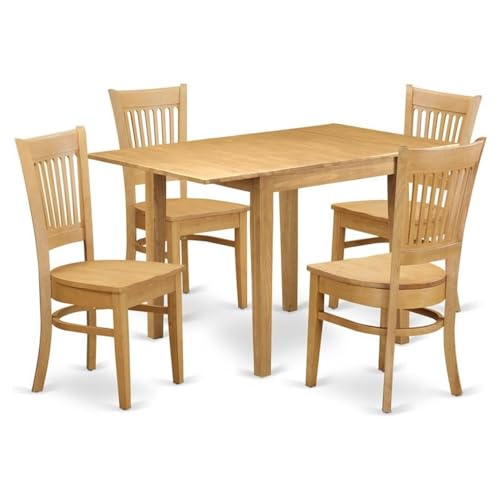

Participate in local events like flea markets or community garage sales. This creates direct exposure to numerous individuals actively looking for home items while allowing you to negotiate face-to-face.
Network within local community groups or forums. Engaging with neighborhood associations on platforms such as Nextdoor can connect you directly to people seeking quality pieces in their area.
| Method | Description |
|---|---|
| Online Listings | Post images and descriptions on local classified sites for wide reach. |
| Flea Markets | Set up a booth to reach customers eager for unique finds. |
| Community Networking | Engage with local forums to connect with interested buyers. |
Consider pricing competitively. Research similar items being offered in your vicinity to determine an attractive price point.
If you have larger items, offer delivery if feasible. This increases appeal, especially for those who may struggle with transportation.
Research Local Market Trends
Analyze furniture prices within your neighborhood to determine competitive rates. Visit local showrooms and browse online platforms to gauge the variance in pricing for similar items. This will give you clarity on what buyers are willing to pay.
Examine current design preferences. Focus on specific styles that are popular, such as mid-century modern or minimalist, by observing social media trends or interior design publications. Tailor your offerings based on what resonates most with local consumers.
Conduct surveys or informal conversations with potential buyers. Understanding their needs and preferences can guide your decisions. You can inquire about:
- Preferred materials (wood, metal, fabric)
- Color preferences
- Functionality needs (storage solutions, multi-use pieces)
Keep an eye on neighborhood developments. New housing projects might indicate a surge in demand for specific styles or sizes of items. Collaborate with local realtors to discern what new residents might seek.
Utilize local online groups or forums to identify common inquiries or requests about home decor. Engage in conversations to build a network and understand potential gaps in the market. Websites like Nextdoor or Facebook Marketplace can provide insights into community preferences.
Attend local trade shows and flea markets. These events not only showcase competitors but also allow you to observe customer interaction with products. Collect feedback directly during such events for instant insights.
Track seasonal trends and holidays significantly influencing buying behavior. Prepare for peaks during back-to-school season, holidays, or graduation months, aligning stock with anticipated demands.
Finally, adapt to feedback received post-sale. Knowing which pieces are well-received or face challenges can help adjust strategies moving forward, ensuring a responsive approach to market dynamics.
Identify Target Customer Demographics
Understanding the specific characteristics of potential buyers is crucial. I focus on key demographics such as age, income level, lifestyle, and family structure. For instance, Millennials represent a significant segment, often seeking affordable, stylish options for smaller living spaces. In contrast, older generations may lean towards quality and durability, favoring traditional designs.
Age and Lifestyle
Younger customers typically prioritize functionality and modern aesthetics. They are often influenced by sustainability and eco-friendliness. On the other hand, individuals aged 40 and above might appreciate classic pieces that convey elegance and comfort. Tailoring offerings to these age groups can lead to better engagement.
Income and Family Structure
Identifying income brackets shapes the pricing strategy. High-income households may invest in luxury items, while middle-income families often search for practical yet appealing selections. Additionally, families require versatile and safe furnishings, especially those with young children or pets. Keeping these factors in mind enhances the chances of meeting customer needs effectively.
Select the Right Selling Platforms
Choosing suitable platforms is key for reaching potential buyers effectively. I recommend evaluating both online and offline avenues.
- Online Marketplaces: Websites like Craigslist and Facebook Marketplace cater to local audiences, making them ideal for quick transactions. These platforms allow users to create listings with photos and descriptions to attract direct interest.
- Specialized Apps: Consider apps such as OfferUp or Letgo, which focus on local buying and selling. Their user-friendly interfaces and geo-location features help connect with nearby shoppers effortlessly.
- Social Media Groups: Join community groups on platforms like Facebook dedicated to buying and selling items. Engaging in local groups expands reach and can facilitate swift sales through established community networks.
- Local Consignment Stores: Partnering with consignment shops in your area can provide another channel. They often attract buyers looking for unique or vintage pieces, thus positioning your items in front of a targeted audience.
- Thrift Stores and Nonprofits: Donating items to local charities not only helps the community but sometimes also offers tax deductions. Additionally, many of these organizations host special sales, providing opportunities to reach buyers interested in supporting local causes.
Assess each option’s fees, audience, and reach to maximize the chance of a successful transaction. Make sure to utilize multiple platforms for broad exposure.
Optimize Furniture Presentation and Photography
I recommend utilizing natural light when photographing your items. Set up in a well-lit area, ideally near a window, to capture the true colors and textures of the pieces. Avoid using harsh artificial lighting, as this can distort the appearance of your merchandise.
Use a simple background to prevent distractions. A neutral wall or a plain outdoor setting can work wonders in highlighting the aesthetic appeal of your offerings. Ensure the area is clutter-free, allowing potential buyers to focus solely on the item.
Angles play a significant role in creating an appealing visual narrative. Capture images from multiple perspectives–front, side, and even detail shots of intricate features. This gives buyers a comprehensive view, making them feel more connected to the piece.
Incorporate styling props to enhance the presentation. Utilizing items such as plants, books, or decorative objects can help visualize how the items will fit into a buyer’s home environment. However, keep it minimal to maintain focus on the primary object.
Editing your photos can enhance clarity and brightness, but avoid heavy filters that can misrepresent the actual colors. A slight increase in contrast or sharpness can make a considerable difference without altering reality.
Lastly, including measurements in the description along with well-taken photographs helps customers gauge the size and suitability of the items for their spaces. Accurate dimensions combined with high-quality visuals create trust and encourage informed decisions.
Create Accurate and Engaging Descriptions
Begin with precise measurements of your items, specifying height, width, depth, and weight. Potential buyers appreciate knowing this information upfront.
Highlight unique attributes, such as handcrafted details or sustainable materials. Describing the craftsmanship adds value and appeals to eco-conscious customers.
Incorporate lifestyle imagery by painting a picture of how the piece enhances a space. Use phrases like “perfect for cozy evenings” or “ideal for entertaining guests” to evoke visual imagery.
Detail any wear and tear transparently, including scratches or stains, to build trust with your audience. Honesty about condition can set realistic expectations and avoid post-purchase disputes.
Use engaging adjectives to create excitement: instead of simply saying “brown sofa,” describe it as “rich mahogany sectional”. This captures attention better and enhances appeal.
Include care instructions or recommendations to demonstrate thoughtfulness. A brief note on how to maintain the piece ensures the buyer knows it’s a smart choice for long-term use.
Write in a friendly yet informative tone. This approach creates a welcoming atmosphere and encourages potential buyers to reach out with questions or interest.
Finally, consider including a backstory or inspiration behind the piece. A personal touch can resonate with buyers, making them feel more connected to the item.
Set Competitive Pricing Strategies
I recommend conducting a thorough analysis of similar items available in the area. Take note of their price points and condition to identify a suitable range for your offerings. Utilize tools such as Craigslist, Facebook Marketplace, or specific local resale apps to gather accurate data.
Factor in Purchase Cost
Consider the original purchase price of your items as well as any renovation or refurbishment expenses incurred. It’s often beneficial to set a pricing structure that allows for a reasonable profit margin while remaining attractive to prospective buyers.
Seasonal Adjustments
Adjust prices based on seasonal demand. For instance, you may find higher interest in specific styles during particular months, such as outdoor items in spring or cozy interiors in the fall. Timing your pricing changes can lead to quicker transactions.
Streamline the Delivery and Setup Process
To enhance the experience for buyers, I focus on optimizing the delivery and setup stages. Partnering with reliable local logistics companies allows me to provide swift and straightforward transportation. I ensure they are familiar with the specific layout challenges of Boston’s streets and buildings, guaranteeing timely arrivals.
Utilize Technology for Tracking
Implementing real-time tracking for deliveries greatly increases transparency. I use apps that allow customers to track their purchase, reducing anxiety about arrival times. Providing updates via SMS or email keeps communication clear and fosters trust.
Offer Assembly Services
Many clients prefer assistance with setup. I offer assembly services as part of the purchasing process, either by partnering with local furniture assemblers or training my team for assembly tasks. Clear communication about this option boosts customer satisfaction and can lead to positive word-of-mouth referrals.


