
 Caleb Turner

Begin by applying a high-quality polyurethane finish to protect your newly stained surfaces. This product forms a durable barrier against moisture and wear, ensuring longevity and preserving the beauty of the color you’ve chosen.
Before you begin, ensure the stained surface is fully dry. This may take anywhere from 24 to 48 hours, depending on the type of stain used. For best results, lightly sand the surface using fine-grit sandpaper. This step enhances adhesion by creating a rough texture for the finish to grip onto.
When applying the protective layer, use a high-quality brush or foam applicator to ensure an even coat. For the first application, aim for a thin layer to minimize drips and bubbles. Allow it to dry thoroughly, typically for about 4 to 6 hours, before lightly sanding again to remove any imperfections.
For enhanced protection, consider applying multiple coats of finish. Always follow the manufacturer’s instructions regarding drying times and number of applications for optimal results. This method will ensure your stained pieces remain beautiful and durable for years to come.

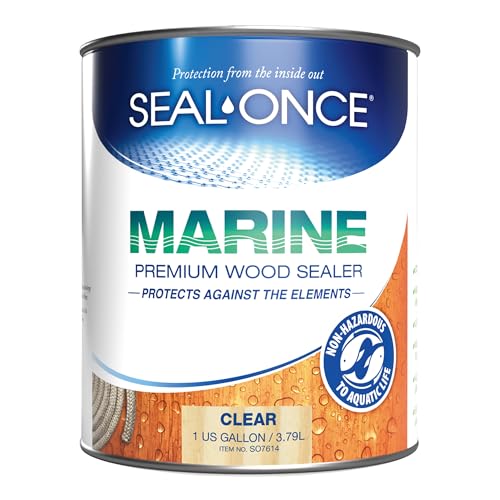

Sealing Techniques for Stained Surfaces
For the best results, I prefer using a polyurethane finish. It creates a hard protective layer, ideal for high-traffic areas. I recommend choosing between oil-based or water-based options, depending on your desired finish and drying time.
Application Process
1. Ensure the stained surface is completely dry. This may take 24 hours or more.
2. Lightly sand the stained area using fine-grit sandpaper (220 grit) to promote adhesion.
3. Clean the surface with a damp cloth to remove dust particles.
4. Use a high-quality brush or foam applicator to apply the finish. I find that brushing in the direction of the grain yields the best results.
5. Apply at least two coats, allowing proper drying time between each application (follow manufacturer’s instructions).
Maintenance Tips
- Avoid using harsh chemicals on the surface.
- Regularly dust with a soft cloth to maintain its appearance.
- Reapply the protective finish every few years or as needed to retain durability.
Following these guidelines ensures the stained piece remains beautiful and well-protected for years to come.
Choosing the Right Sealer for Your Wood Type
To achieve an optimal finish on your project, selecting a compatible product is key. Each species has unique characteristics, influencing its response to various treatments. For instance, softer types such as pine and cedar typically require less viscous coatings to penetrate effectively.
Common Wood Types and Suitable Sealers
- Oak: Use oil-based or water-based finishes for durability, allowing the natural grain to shine.
- Maple: A clear polyurethane is effective, providing a robust barrier while highlighting its light color.
- Cherry: Opt for a penetrating oil sealer to promote its rich, warm tones.
- Mahogany: A varnish sealer protects while enhancing the deep hues, perfect for a luxurious look.
Adapting to Conditions
- Consider environmental factors–humidity affects application and curing times.
- Temperature variations can cause sealers to behave unpredictably; ensure a controlled setting for best results.
- Test on a small, inconspicuous area to determine compatibility and appearance before full application.
Assessing the specific properties of your material allows for informed decisions tailored to individual needs. By prioritizing compatibility, I’ll ensure longevity and visual appeal in my finishes.
Preparing Your Furniture Surface for Sealing
Ensure the surface is completely dry before proceeding. I apply a damp cloth to remove dust, dirt, and debris. A clean area is crucial for proper adhesion of the finishing product.
If the surface has imperfections, I lightly sand it with fine-grit sandpaper (around 220 grit) to create a smooth texture. Focusing on uneven areas helps in achieving a flawless final appearance.
After sanding, I vacuum the surface to eliminate dust particles. I often use a tack cloth afterward to capture any remaining residue, ensuring the finish has a perfect base.
In case of a previous finish, I check for compatibility with the new product. I consider using a test area to confirm adhesion and overall appearance before applying the finish to the entire piece.
I pay attention to temperature and humidity levels in the workspace. High humidity can slow the drying process, while low humidity may cause the finish to dry too quickly. It’s best for the environment to be moderate for optimal results.
Finally, I wear protective gear, such as gloves and a mask, to ensure my safety during the process. This preparation not only protects my health but also ensures the integrity of the project.
Application Techniques for Wood Sealers
I prefer using a high-quality brush for applying sealers, as it provides better control and coverage. Start by loading the brush evenly, then apply a thin layer following the grain. This method reduces the risk of bubbles or streaks.
An alternative option is to use a foam applicator. This tool is excellent for tight spaces and allows for a smooth finish. I recommend dabbing the applicator into the sealer and applying it gently to avoid an excessive buildup.
For larger surfaces, a roller can be advantageous. It saves time and covers more area efficiently. I make sure to use a roller with a short nap for a finer finish, ensuring any excess product is removed by rolling lightly over the area again.
Regardless of the tool, always check for drips or pooling, as these can lead to uneven drying. For edges and corners, I switch back to a brush for accuracy, ensuring no area gets left behind.
Allow sufficient drying time as indicated on the product label, and when required, lightly sand between coats to promote adhesion. This technique enhances the durability of the finish.
| Application Method | Best For | Notes |
|---|---|---|
| Brush | Detailed work | Best for control and precision |
| Foam Applicator | Tight Spaces | Great for avoiding streaks |
| Roller | Large Areas | Efficient coverage with a fine finish |
Utilizing these methods effectively enhances the overall appearance and longevity of the surface’s finish, ensuring a professional look that stands the test of time.
Drying Times for Various Types of Sealers
For polyurethane, drying typically takes around 4-6 hours for a coat to be touch dry, but full curing can extend to 24-48 hours. If applying multiple layers, wait between 2-3 hours before the next application.
Oil-based topcoats require more patience, often needing 8-12 hours to dry sufficiently for light use. Full hardness can take 3-5 days, depending on room temperature and humidity.
Acrylic or water-based finishes stand out with shorter drying times, usually around 1-2 hours for touch dryness and a complete cure within 7 days. Apply additional layers after 2 hours for the best results.
Varnishes can vary significantly; traditional formulas usually demand 6-8 hours to dry, while quicker-drying versions may be ready in just 2-4 hours between applications.
For wax finishes, the drying period is relatively brief, often just 30-60 minutes. Buffing can proceed after that time, but allowing a full cure over 24 hours enhances durability.
Understanding these timeframes helps in planning projects, ensuring optimal application and longevity of the protective layer.
Inspecting and Touching Up the Sealed Finish
Inspect the coated surface closely under adequate lighting. Look for any inconsistencies such as drips, uneven sheens, or areas where the protective layer appears thin. A magnifying glass can help identify tiny imperfections that might go unnoticed by the naked eye.
Addressing Imperfections
If you notice minor flaws, gently sand the affected areas with fine-grit sandpaper (around 220 grit) to smooth out the finish. Ensure to feather the edges so that repairs blend seamlessly into the surrounding surface. After sanding, wipe down the area with a damp cloth to remove any dust before applying additional coats as needed.
Final Inspection and Maintenance
Once repairs are complete, allow the new application to cure fully before conducting another inspection. Regular maintenance, such as applying a new layer every few years or as needed depending on wear, will help prolong the beauty and durability of the surface. Keep an eye out for any signs of wear or damage over time, promptly addressing issues as they arise.
Maintenance Tips for Sealed Timber Pieces
Regular cleaning is key. Use a soft, damp cloth to eliminate dust and avoid scratching the surface. For deeper cleaning, a mixture of mild soap and water works well; just ensure to dry promptly afterward.
Protective Measures
Utilize coasters and placemats to shield against heat and moisture. Consider using felt pads under items that may scratch or dent the surface. Avoid exposing the finish to direct sunlight to prevent fading.
Reapplication and Refinishing
Inspect the surface periodically for signs of wear. If the finish appears dull or damaged, it may need a reapplication. Lightly sand the area, clean it, and apply a fresh coat as necessary for maintaining durability.
Common Mistakes to Avoid When Sealing Wood
One prevalent error is selecting a product incompatible with the stain; always verify compatibility before application to achieve a uniform finish.
Neglecting surface preparation can lead to adhesion issues. Ensure that the surface is clean, sanded, and free of dust to promote proper adherence.
Over-applying product is another frequent misstep. Thin coats are advisable, allowing sufficient drying time between layers to avoid a sticky or uneven surface.
Skipping the test area might cause significant problems. Conduct a test on a small, inconspicuous area to observe the outcome before proceeding.
Not monitoring environmental conditions can affect the final result. Maintain stable temperature and humidity levels during application and drying to prevent complications.
Failing to read the manufacturer’s instructions thoroughly can lead to mistakes in application methods or drying times. Adhere to guidelines tailored to the specific product.
Ignoring touch-up requirements after the finish has dried may result in visible imperfections. Regularly inspect and rectify any inconsistencies for a polished appearance.
Lastly, forgetting long-term maintenance can shorten the lifespan of the finish. Implementing a proper care routine preserves both aesthetics and protection.
FAQ:
What are the best finishes to use for sealing wood furniture after staining?
When sealing wood furniture after staining, several finishes are popular for their protective qualities. Polyurethane is highly recommended due to its durability and resistance to moisture and scratches. Both oil-based and water-based polyurethane options are available, with the former providing a warmer tone and the latter being quicker to dry and less odorous. Other finishes such as varnish and lacquer can also be used, each offering different levels of shine and drying times. Choose a finish that aligns with your desired appearance and the specific conditions of the environment where the furniture will be used.
How long should I wait after staining before sealing the wood?
It is generally advisable to wait at least 24 hours after staining before applying a sealant. This allows the stain to fully dry and adhere to the wood surface. However, drying times can vary based on factors such as the type of stain used, humidity levels, and temperature. For oil-based stains, it may take longer compared to water-based stains. Always check the manufacturer’s instructions for both the stain and the sealant to ensure optimal results.
Can I apply a sealant to stained wood furniture if it’s already been used?
Yes, you can apply a sealant to stained wood furniture that has already been used, but prepare the surface properly. Clean the furniture thoroughly to remove any dust, dirt, or oils that may have accumulated. If the prior finish is still intact and in good condition, lightly sanding the surface can help the new sealant adhere better. If the wood has not been stained recently or if there’s damage, you may want to re-stain and then seal the item for best results.
What tools do I need to seal wood furniture after staining?
To seal wood furniture after staining, you will need several tools. A high-quality brush or foam applicator is ideal for applying the sealant evenly. If you prefer a spray finish, an air sprayer might be suitable. Sandpaper (medium and fine grit) is needed to prepare the surface before sealing. Additionally, gloves and a well-ventilated workspace are essential for safety, especially when working with finishes that have strong odors or fumes. Lastly, a clean cloth for wiping off excess sealant can help achieve a smooth finish.
Is it necessary to sand between coats of sealant on wood furniture?
Sanding between coats of sealant is recommended, as it helps to create a better bond between layers. After the first coat has dried, lightly sand the surface with fine-grit sandpaper to smooth out any imperfections and allow for better adhesion of the subsequent layer. Make sure to clean any dust off before applying the next coat. This process will lead to a smoother finish and improved durability of the sealed surface.


