
 Caleb Turner
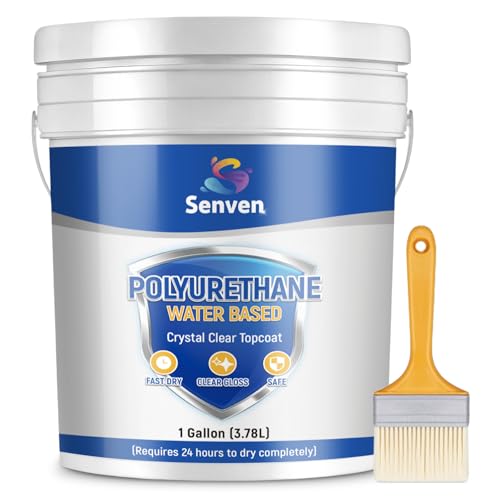
Mix a water-based polyurethane with a satin sheen to protect your surface effectively. This type of sealant provides durability while maintaining the attractive appearance of your finish.
Apply the mixture using a high-density foam roller for even coverage. Avoid using a brush as it may leave unsightly marks. For the best results, I recommend two thin coats, allowing adequate drying time between applications.
Lightly sand the surface with fine grit sandpaper after the first coat dries completely. This step ensures better adhesion of the second layer. Always clean off any dust with a damp cloth before proceeding.
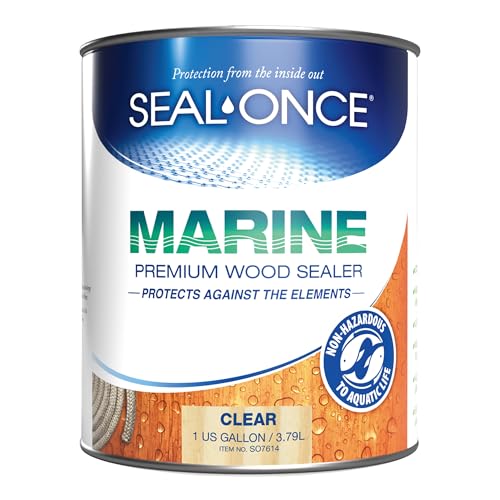
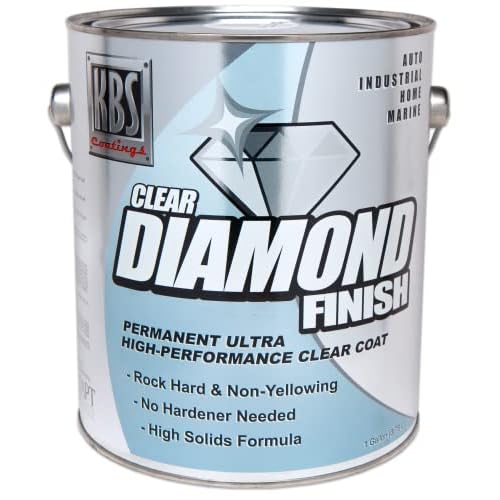
If your piece will be subjected to heavy use, consider a stronger sealant, like an oil-based polyurethane. It offers unparalleled durability but may add a slight amber tone to your work, so test it first on an inconspicuous area.
For maintenance, occasionally wipe the surface with a soft, damp cloth. This simple step will keep your restoration looking fresh and vibrant for years to come.
Sealing Eggshell Finished Pieces
I prefer polyurethane because it provides a durable finish after applying it to my coated projects. This resin-based clear coat enhances the sheen while ensuring protection against scratches and stains.
Steps I follow:
- Start by letting the surface dry completely for at least 24 hours after painting.
- Lightly sand the surface with fine-grit sandpaper to promote adhesion. Clean off any dust residue using a tack cloth.
- Apply a thin coat of polyurethane using a high-quality synthetic brush or foam applicator. Aim for even coverage without pooling.
- Let that first layer cure according to the manufacturer’s instructions, typically around 2-4 hours.
- After curing, lightly sand with fine-grit sandpaper again and wipe clean. This helps the next layer bond better.
- Repeat the application of additional coats (2-3 total is ideal), ensuring to sand between each one for a smooth finish.
For a softer sheen, I often choose a satin or semi-gloss finish instead of a high-gloss option. This choice can give a beautiful luster without compromising the appearance.
Lastly, if the intention is to use cleaning agents, ensure they are non-abrasive, as harsh chemicals can harm the finish I’ve worked hard to achieve.
| Material | Notes |
|---|---|
| Polyurethane | Durable, water-resistant, available in various sheens |
| Satin Finish | Offers a subtle glow, hides imperfections well |
| Fine-Grit Sandpaper | Essential for surface prep and between coats |
| Tack Cloth | Removes debris between sanding and coating |
Choosing the Right Sealer for Eggshell Paint
For optimal results, I always recommend using a water-based polyurethane for enhancing durability while maintaining a low sheen finish. This type of product provides robust protection against scratches and stains without compromising the aesthetic appeal.
Types of Sealers
There are a few options available when selecting a coating. Water-based polyurethanes dry quickly and have low odor compared to oil-based alternatives. If you’re looking for a more natural finish, consider using a wax or oil-based product. These may require more frequent applications but can give a warm glow to the surface.
Application Tips
I find that applying the chosen product with a high-quality synthetic brush yields the best outcome. Ensure the surface is clean and dry before starting. Apply thin, even coats to avoid drips and allow sufficient drying time between applications, typically 2-4 hours but refer to the manufacturer’s instructions for specifics.
Preparing the Surface Before Sealing
A thorough preparation is paramount for achieving a long-lasting finish. First, I ensure the surface is clean and free of any dust or grease. I use a damp cloth to wipe down the area, followed by a dry cloth to remove any moisture.
Next, I inspect the surface for any imperfections such as scratches or dents. I fill these with a suitable filler and sand them smooth once dry.
Before sealing, I recommend lightly sanding the entire surface with fine-grit sandpaper (220 grit). This helps create a texture for better adhesion. Then, I wipe the furniture again to eliminate any sanding dust.
For surfaces that have been previously coated, I ensure that all old finishes are removed or properly scuffed to enhance the bond.
Lastly, I advise applying a primer if the surface is particularly porous or uneven. This ensures an even application of the final product.
By following these steps, I find the end result is consistently improved, providing a more durable protection.
Step-by-Step Application of the Sealer
Before beginning the application, ensure the environment is well-ventilated. This will help in drying and reducing inhalation of fumes. Assemble your materials: the chosen product, a quality brush or foam applicator, and some clean cloths.
1. Stir the Product
Thoroughly stir the sealer to ensure a uniform consistency. Do not shake the container as it can create bubbles. A smooth, bubble-free application is crucial for a professional finish.
2. Apply the First Coat
Using a brush or foam applicator, begin applying a thin, even layer of the sealer. Start in a corner and work your way across the surface, following the wood grain for the best results. Maintain a wet edge to avoid laps or streaks.
Allow the first layer to dry completely, which typically takes about 1-2 hours, depending on the humidity and temperature. Once dry, inspect for any imperfections. If necessary, lightly sand the surface with fine-grit sandpaper to ensure smoothness.
3. Apply Additional Coats
Repeat the application process for at least one more layer, with sanding between each coat. This will enhance durability and create a more resilient finish. Follow the same method as with the first coat, ensuring each application dries fully before adding another.
After the final application, allow the surface to cure according to the product instructions, usually 24-48 hours, before using the item. This ensures the integrity of the finish and maximizes protection.
Drying Time and Curing Process Explained
After applying a protective finish, I monitor both drying and curing times closely. Typically, the drying period lasts about 2 to 4 hours, but it can vary based on factors such as humidity and temperature. It’s crucial not to rush this phase; touching the surface too soon can cause smudges or imprints.
- The first stage is drying, where the top layer feels dry to the touch. At this point, I ensure the area is well-ventilated to optimize airflow.
- Next comes curing, which involves the deeper layers hardening fully. This can take anywhere from several days to weeks, depending on the specific product used.
I always check the manufacturer’s guidelines for exact timelines applicable to the sealer I’ve chosen. For optimal results, I recommend allowing at least 7 days for full curing before placing items back onto the surface. This patience significantly enhances durability and resilience.
- Wait until the surface is dry to the touch before evaluating if further applications are needed.
- Consider a full week of minimal use to allow for proper hardening.
- Avoid exposing the surface to heavy items or excessive moisture during this timeframe.
By adhering to these guidelines, I ensure the finish not only looks great but stands up to everyday wear and tear effectively.
Tips for Preventing Brush Streaks and Bubbles
Choose a high-quality brush designed for smooth finishes. Synthetic bristles work well for water-based products, while natural bristles are better for oil-based options. A good brush will help minimize streaks and provide a more uniform coat.
Thin your clear coat slightly with a compatible thinner. Follow the manufacturer’s instructions for proper ratios. This can help the product flow more smoothly and reduce the likelihood of bubbles forming during application.
Apply in thin coats. A heavier application can trap air, causing bubbles to appear. Focus on spreading a thin layer evenly, allowing ample time for drying between applications.
Technique Matters
Use long, even strokes in one direction to avoid the back-and-forth motion that can create brush marks. Start from one edge and move toward the other, feathering the edges to blend the application seamlessly.
Lay off the product after applying. Lightly drag the brush over the surface to soften brush marks, avoiding excessive agitation of the finish. This technique provides a smoother finish while reducing the risk of introducing air bubbles.
Environmental Factors
Avoid applying in humid or overly hot conditions. High humidity can increase drying time and create a greater chance for bubbles, while heat can cause rapid drying, leading to imperfections. Aim for a stable environment with moderate temperatures for optimal results.
Lastly, ensure proper ventilation. This helps the clear coat to dry evenly and reduces the potential for bubbles. A well-ventilated space allows for the evaporation of solvents and promotes a smooth finish.
Maintaining the Sealed Finish Over Time
I recommend regular cleaning with a soft, damp cloth to remove dust and dirt without abrasive damage. For stubborn stains, a mild soap solution will suffice; just ensure to wipe away any residue with a clean damp cloth afterward.
To avoid wear, position items thoughtfully on the surface. Use coasters and placemats to prevent scratches from objects placed directly on the finish. When moving items, lift rather than drag them to maintain the integrity of the coating.
Inspect the coating periodically for signs of wear or damage. Should I notice any scuffs or chips, I promptly touch up those areas with the same product used initially, ensuring color consistency and protection.
Consider re-coating every few years, especially for high-traffic areas. A light sanding followed by a fresh application of the same protective layer will restore the surface’s durability and appearance.
Avoid exposing the surfaces to excessive moisture or direct sunlight as it may lead to fading or bubbling. If the environment is particularly humid, using a dehumidifier could aid in maintaining the overall finish.
Lastly, be cautious with cleaning products; avoid harsh chemicals that can deteriorate the protective layer. Opt for pH-balanced cleaners to safeguard the integrity of the finish while keeping it looking fresh and new.
Repairing Scratches on Sealed Surfaces
To address scratches on sealed surfaces, I first gather my repair supplies. This typically includes a touch-up paint that matches the original color, fine-grit sandpaper, a clean cloth, and a clear topcoat for protection. Here’s my process:
-
Begin with cleaning the scratched area using a damp cloth to remove any dust or debris.
-
Gently sand the scratched area with fine-grit sandpaper. This helps smooth the edges of the scratch. Be cautious to avoid damaging the surrounding surface.
-
Apply the matching touch-up paint using a fine brush. I prefer to build up thin layers rather than one thick coat, allowing for even coverage.
-
After the paint dries completely, I lightly sand the area again to blend it with the surrounding finish.
-
To protect the repair, I then apply a clear topcoat over the touched-up area. This restores the sheen and adds durability.
For deeper scratches, I may need to repeat the touch-up process a couple of times until the damage is less noticeable. If the scratches are extensive, refinishing the entire area might be necessary to achieve a consistent look.
Regular maintenance can help prevent scratches from becoming a problem in the first place. Utilizing coasters, placemats, and protective pads can go a long way in keeping surfaces looking pristine.
Common Mistakes to Avoid When Sealing
Neglecting to test the chosen coating on a small area is a common pitfall. This step reveals how the material reacts and adheres to the existing finish. If discoloration occurs, reconsider the application.
Applying the product in inadequate lighting can lead to uneven coverage. Always ensure the workspace is well-lit to catch inconsistencies as they happen.
Timing Miscalculations
Applying a second coat too soon may result in a tacky surface. Adhere to manufacturer recommendations for drying times to prevent complications.
Many rush through the curing phase without exercising patience. This can lead to damage during normal use. Allow the finish to cure fully before placing items on the surface.
Surface Contamination
Failing to clean the surface before application is detrimental. Residue from dust or oils impairs adhesion, affecting overall durability. Always clean thoroughly.
Using improper tools predisposes the finish to issues. Select brushes or rollers that are designed for the specific product to ensure an even and smooth application.
| Mistakes | Consequences |
|---|---|
| Not testing the coating | Risk of discoloration |
| Poor lighting | Uneven coverage |
| Rushing recoat times | Tacky finish |
| Skipping cleaning | Poor adhesion |
| Inappropriate tools | Uneven application |


