
 Caleb Turner
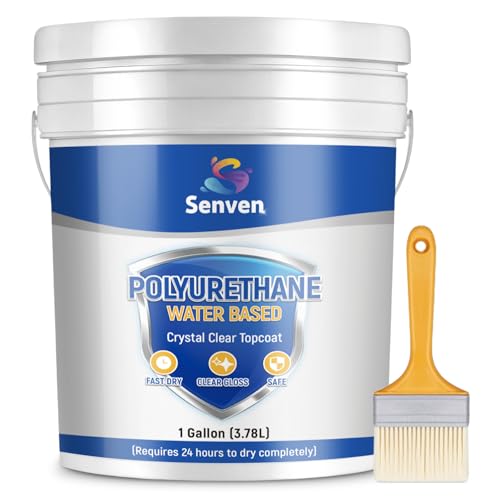
First, apply a thin, even layer of an appropriate adhesive that acts as a barrier. A water-based polyurethane or varnish is ideal, as it dries clear and provides a durable finish. A brush or soft cloth works well for this task, ensuring that the gilded area is fully covered.
Allow this layer to dry completely before moving on to the next step. This process not only protects the shimmering accent but also enhances its brilliance. If additional layers are necessary, repeat the application process after each one has dried thoroughly to achieve maximum protection.
Finally, keep your adorned surfaces away from high humidity and avoid direct sunlight to prolong the lifespan of the applied finish. Regular maintenance and touch-ups will keep your decorative elements looking pristine for years to come.
Protective Finish Application
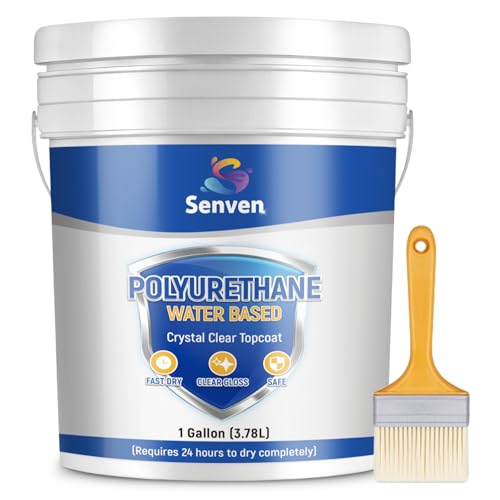
Begin by choosing a suitable topcoat that complements the metallic application. Water-based polyurethane is my preferred choice for indoor surfaces due to its clarity and ease of application. I ensure the surface is clean and dry before proceeding.
Using a clean, soft brush or a lint-free cloth, I apply a thin layer of the chosen finish. It’s crucial to follow the manufacturer’s instructions regarding drying times and the number of coats needed for optimal protection.


Working with Drying Times
I always allow adequate drying time between applications. Usually, 2 to 4 hours is sufficient for water-based finishes. Observing these times helps prevent any damage to the underlayer, maintaining the luster of the metallic surface.
Final Curing Process
After the final coat, I let the piece cure for at least a week before use. This ensures the finish hardens properly, offering better protection against scratches and wear. Regular maintenance, such as gentle cleaning with a soft cloth, helps keep it looking pristine.
Choosing the Right Sealant for Gold Leaf
For a durable finish, I recommend using a water-based varnish or polyurethane. These types provide clear protection without altering the appearance of your metallic accents.
Types of Sealants
- Water-based Polyurethane: Offers a crystal-clear finish, dries quickly, and is easy to clean up with soap and water.
- Shellac: Creates a hard, protective layer but is not as water-resistant as polyurethane; ideal for interior pieces that won’t see much moisture.
- Acrylic Sealer: This is perfect for those seeking an environmentally friendly option. It dries clear and provides a soft sheen.
Application Tips
- Ensure the surface is clean and free from dust or debris before applying.
- Apply thin, even coats with a soft brush or a foam applicator to avoid disturbing the decorative elements.
- Allow each layer to dry completely before adding another; typically, two to three coats are recommended for optimal protection.
Always test the sealant on a small, inconspicuous area. This allows you to confirm the finish and adhesion before proceeding with the entire piece.
Preparing the Surface Before Sealing
Thoroughly clean the area first. I use a soft cloth and a gentle cleaning solution to remove dust and residues. This step ensures better adhesion of the protective layer.
If the surface has any imperfections or scratches, I recommend sanding it lightly with fine-grit sandpaper. This not only smooths the surface but also helps the coating adhere better.
Once the sanding is complete, I wipe down the surface again to eliminate any dust created during this process. A microfiber cloth works particularly well for this task.
Next, I check for any moisture or dampness in the material. Proper drying time is crucial for the next steps. I often let it air out for several hours to make sure it’s completely dry.
I also consider applying a base coat before the final protective layer. Using a suitable primer can enhance the durability of the finish. Make sure the primer is compatible with the coating that will be used afterwards.
Finally, I allow everything to cure properly as per the instructions of the products used. This preparation ensures the longevity and appearance of the finished work, making it worthwhile for the effort invested.
Applying the Sealant Evenly Over Gold Leaf
To achieve a uniform layer, I opt for a clean, soft brush or a foam applicator. This choice helps prevent damage to the delicate surface. Always ensure that the brush or applicator is free from dust and debris before use.
I start at one corner and gradually work my way across the surface in smooth, gentle strokes. Using a lighter hand as I move toward the edges minimizes the risk of uneven application or drips.
When I apply the coating, I maintain a consistent speed and pressure. This technique prevents accumulation in specific areas, allowing for a more coherent finish. If I notice any spots with excess liquid, I lightly brush them out immediately.
After covering the entire area, I take a moment to inspect the work under different lighting. This helps identify any areas that may need a second coat. I avoid applying too much at once, opting for multiple thin applications instead, which ensures durability without obscuring the underlying shine.
Finally, I allow sufficient drying time between coats. This step is crucial for maintaining the integrity of the decorative element while ensuring a robust final appearance.
Drying Time and Curing Process for Sealants
Wait at least 1 to 2 hours for the initial drying phase of the chosen product. Ensure proper ventilation to speed up the process and achieve optimal results.
For curing, I recommend allowing 24 to 48 hours before heavy use or contact. Some sealants may require up to a week to fully cure, depending on humidity and temperature conditions.
Check the manufacturer’s guidelines for specific drying and curing times, as they can vary significantly between products. Always perform a small test on an inconspicuous area to monitor how the finish reacts during the drying and curing phases.
During the curing process, avoid moisture and direct sunlight exposure; both can compromise the finish. After completing the curing, assess the surface for any imperfections and consider a light sanding before applying additional layers if necessary.
Preventing Smudging and Damage During Sealing
Before applying any protective layer, ensure that the initial design is completely dry. This prevents unintended smearing that can ruin the detailed work. I always wait at least 24 hours after the application of the metallic accents before proceeding.
Tools and Techniques
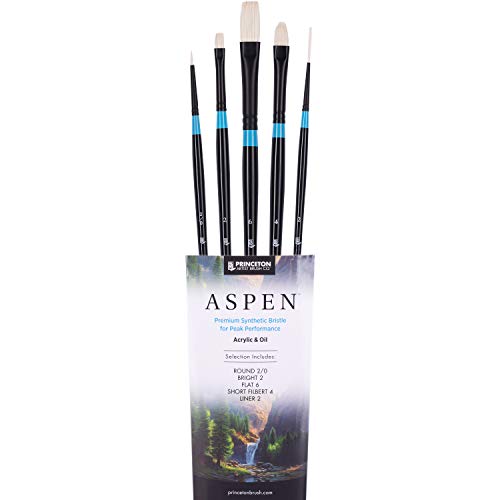
Use a soft, clean brush to apply the protective agent. A high-quality brush minimizes the risk of scratching the surface and allows for an even application. I recommend using a brush with synthetic bristles, as they tend to hold the sealer well and distribute it smoothly.
When applying, move in one direction. This technique reduces the likelihood of creating streaks or buildup. Work gently to ensure that the beautiful details of your design remain intact. Avoid going back over areas once the protective coating has been applied; this can lead to lifting of the previously dried elements.
Additional Considerations
Conduct a small test on an inconspicuous area before full application. This enables you to assess how the sealer interacts with the finish and whether any undesirable reactions occur. Also, make sure to protect surrounding areas with masking tape or painter’s tape to prevent accidental contact.
| Tip | Description |
|---|---|
| Wait for Drying | Ensure the initial layer is completely dry before proceeding with sealing. |
| Soft Brush | Use a synthetic brush to avoid scratches and promote even coverage. |
| Directionality | Apply in a single direction to prevent streaks. |
| Testing | Conduct a small test in an inconspicuous area first. |
| Protect Surroundings | Use tape to cover areas that should not be coated. |
By following these steps, you can confidently preserve the beauty of your decorative project while ensuring it remains intact for years to come.
Testing Sealant Compatibility with Gold Leaf
Before applying any finish, I always test the compatibility of the chosen product with the applied metal layers. Start by selecting a small, inconspicuous area of your project for this evaluation. Apply a thin coat of the sealant using a soft brush or cloth, ensuring even coverage.
After application, I monitor the area for several hours to assess any changes. Look for signs of discoloration, bubbling, or lifting of the metallic application. If the sealant causes adverse reactions, it’s wise to explore alternatives better suited for your piece.
Additionally, always consult the manufacturer’s recommendations for compatibility with metal treatments. Many products list specific materials they work with, providing guidance on expected results. If possible, contact the manufacturer for further clarification.
Once a compatible sealant is confirmed, proceed with confidence, ensuring longevity and preserving the aesthetic qualities of the decorative elements. Regular testing allows for adjustments tailored to the unique properties of each project.
Maintenance Tips for Sealed Gold Leaf Furniture
Regular dusting with a soft, lint-free cloth prevents the accumulation of dirt and maintains the brilliance of metallic accents. I prefer using microfiber cloths for this purpose since they attract dust without scratching the delicate surface.
For deeper cleaning, a mixture of mild soap and warm water works wonders. I ensure that the cloth is just damp–too much moisture can damage the underlying layer. Rinsing well and drying the area immediately after cleaning is crucial to avoid any moisture damage.
Avoid placing the item in direct sunlight, as UV rays can cause fading and discoloration over time. Instead, positioning it in a shaded area helps preserve the appearance of the finish.
Temperature and humidity control can significantly influence durability. I maintain a stable environment where excessive heat or humidity is minimized, as fluctuations can lead to peeling or bubbling.
Applying a protective wax or polish specifically formulated for metallic finishes enhances the shine and provides an additional layer of protection. I opt for products free from harmful chemicals that could harm the finish.
Periodic inspection for scratches or damages is essential. Using touch-up methods or professional repair services when necessary helps retain the integrity of the surface. Taking immediate action prevents minor issues from becoming significant concerns.
Reapplication Process for Longevity of Finish
I recommend scheduling reapplication of the protective coating every few years, depending on the wear and tear of the surface. Regular assessment of the coating’s integrity is key; look for signs of scratches, cloudiness, or fading. If any of these are evident, it’s time to refresh the application.
Before starting the reapplication, ensure the surface is clean and free of debris. Use a gentle cleaner to remove any dust or oils that may have accumulated over time. Once dry, inspect the area closely to identify any imperfections that need fixing prior to rejuvenation.
During the reapplication, employ a quality applicator such as a soft brush or spray for even application. Avoid heavy layers; instead, opt for multiple thin coats to achieve the desired durability without compromising appearance. Allow each coat to dry completely before applying the next, as this enhances adhesion and performance.
For optimal results, consider the conditions in which the item is placed. High humidity or direct sunlight can accelerate the degradation of finishes, so it may be beneficial to adjust the reapplication frequency accordingly. Keeping proper environmental conditions can extend the lifespan of your protective layer significantly.
After the final coat has dried, observe the surface over the following week for any irregularities as it fully cures. This period is crucial for ensuring the longevity of the finish. Regular touch-ups can maximize the aesthetic appeal and protect against damages such as scratches or discoloration, maintaining the elegance of your treasured piece.
FAQ:
What supplies do I need to seal gold leaf on furniture?
To seal gold leaf on furniture, you’ll need several supplies. First, gather the gold leaf itself, which can be found in sheets or as flakes. You’ll need a suitable adhesive or size for applying the gold leaf; a water-based or oil-based size works well. Additionally, a soft brush for applying the size and a clean, dry cloth for buffing are essential. Finally, a clear sealing topcoat, such as a polyurethane or acrylic sealer, will protect the gold leaf once it is applied.
How do I prepare the surface before sealing gold leaf on furniture?
Before sealing gold leaf on your furniture, it’s important to ensure the surface is clean and smooth. Start by sanding the area where you’ll apply the gold leaf using fine-grit sandpaper, which helps the adhesive bond better. After sanding, wipe the surface with a damp cloth to remove any dust and debris, allowing it to dry completely. If the furniture has an existing finish, consider priming it or applying a coat of paint to create a uniform base for the gold leaf.
Can I use any type of sealer to protect the gold leaf, or are there specific recommendations?
While you can use various sealers, it’s advisable to choose a clear, non-yellowing polyurethane or an acrylic sealer specifically designed for decorative finishes. These sealers provide excellent protection against moisture and wear, ensuring the longevity of the gold leaf. Avoid using oil-based sealers directly over gold leaf, as they may cause discoloration or damage. Always check the compatibility of the sealant with your chosen adhesive before applying.
What technique should I use to apply the gold leaf and seal it properly?
Begin by applying the adhesive to the prepared surface using a soft brush, ensuring an even layer. Allow the adhesive to become tacky, following the manufacturer’s instructions. Carefully lay the gold leaf over the adhesive, pressing it down gently with your fingers or a soft cloth to ensure it adheres thoroughly. Once the gold leaf is in place, use a clean brush to remove any excess leaf. After the gold leaf has dried, apply a clear sealer over it in thin layers, ensuring complete coverage. Allow each layer to dry before adding another for optimal protection.


