
 Caleb Turner

Begin with a thorough cleaning using a soft brush and a mixture of warm water and mild soap. This will help remove dirt, grime, and any mold that might have accumulated on the surfaces, preparing them for further treatment.
Next, evaluate the condition of each piece. If there are areas with significant wear or peeling, consider sanding them down gently with a fine-grit sandpaper. This step will help create an even surface for any finishing product you plan to apply.


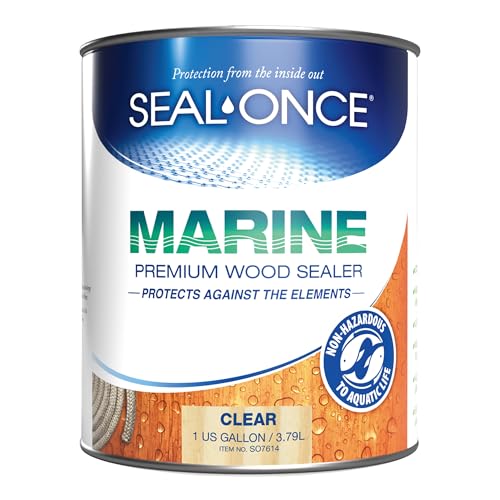
An application of quality wood oil can deeply nourish the material, restoring its natural beauty and offering protection against the elements. Make sure to work the oil into the grain, allowing it to absorb fully. Repeat this process every few months to maintain the integrity of your outdoor pieces.
In cases where structural repairs are needed, use wood glue for small fixes or replace damaged parts if necessary. This will ensure that your outdoor seating remains stable and safe for use.
Lastly, consider applying a weather-resistant sealant to add an extra layer of protection against rain and sun exposure. This not only prolongs the life of your furnishings but also enhances their appearance, making them a stunning addition to your outdoor space.
Restoring Weathered Outdoor Seating
To breathe new life into your weather-beaten outdoor pieces, begin by scrubbing them down with a mixture of warm soapy water and a soft brush. This removes dirt, mildew, and any debris that has settled over time. Rinse thoroughly and allow the items to dry completely before proceeding.
Next, assess the surface carefully. Look for signs of wear, such as cracks or splintering. For minor imperfections, use a fine-grit sandpaper to smooth these areas, ensuring that the finish remains even. A sanding sponge can be particularly helpful for reaching into crevices.
Ensure that all surfaces are dust-free after sanding. Use a damp cloth to wipe down the pieces, eliminating any remaining particles. Once dry, consider whether a protective treatment is necessary. If the original finish has faded, a new application of wood stain or sealing agent will enhance the natural patterns and colors, giving it a rejuvenated appearance.
If you opt for a stain, apply it with a brush or cloth, following the manufacturer’s instructions for application techniques. Multiple coats may be necessary for deeper color saturation. Allow sufficient drying time between coats to achieve the best results.
For long-term protection against the elements, select a high-quality outdoor sealant. This creates a barrier against moisture and UV rays. Reapply this treatment annually to maintain durability.
In the case of disassembled parts, check joints and connections for stability. Tighten any loose fittings, and replace screws or hardware as needed for overall sturdiness.
| Step | Action |
|---|---|
| 1 | Clean with warm soapy water |
| 2 | Smooth rough spots with fine-grit sandpaper |
| 3 | Dust off and wipe with a damp cloth |
| 4 | Apply wood stain or protective finish |
| 5 | Seal for added weather protection |
| 6 | Tighten joints and replace hardware if necessary |
Staying consistent with maintenance and reapplication of finishes will ensure that your beloved outdoor items stand the test of time and continue to enhance your outdoor space.
Assessing the Condition of Your Furniture
Check for any signs of damage such as cracks, splits, or warping. Pay special attention to joints and connections, as these areas are often the most vulnerable. Use a moisture meter to evaluate the wood’s humidity levels.
Inspect the surface for flaking paint or old finishes, which may need to be stripped away. Look for discoloration that indicates sun damage or mildew. A thorough examination will help prioritize what needs immediate attention.
Test the structural integrity by applying weight gently to various parts to see if any areas feel weak. Assess whether the legs are stable and not wobbly. This will help determine if repairs are necessary before any refinishing work starts.
Take note of any pest infestations, such as termites or woodworm, as these require prompt action. I recommend treating any infestations before proceeding further.
Document all findings, as a detailed assessment will guide the rehabilitation process and ensure every aspect is addressed effectively.
Choosing the Right Cleaning Solutions
I recommend using a gentle soap mixed with warm water for basic cleaning. This combination effectively removes dirt and grime without damaging the surface. Opt for a biodegradable soap, which is less harmful to the environment and your materials.
If the pieces have deeper stains or mildew, a mixture of vinegar and water can work wonders. Use a ratio of one part vinegar to three parts water. Apply it with a soft cloth, allowing it to sit for a few minutes before wiping it away. Avoid using bleach, as it can weaken the fibers of the wood.
For more resilient stains, a paste of baking soda and water can be applied directly to the affected area. Rub gently with a soft sponge and rinse with clean water. This method effectively lifts stubborn marks without scratching the surface.
Commercially available wood cleaners can also be an option. Choose products designed for specific types of finishes, ensuring compatibility with your items. Always check the label for environmental safety and application instructions.
After cleaning, dry the surfaces thoroughly with a clean towel to prevent moisture absorption, which can lead to warping or decay. Using fans or placing the items in a breezy area can expedite drying.
Regular maintenance is key. I recommend wiping down surfaces with a damp cloth weekly and avoiding harsh chemicals to prolong the life of the surfaces.
Removing Old Paint and Stains Safely
To effectively strip paint and stains, I prioritize the use of safe and eco-friendly materials. Begin by selecting a biodegradable paint stripper, which minimizes harm to the surrounding environment while being potent enough for the task. Apply the stripper with a brush in a well-ventilated area, following the manufacturer’s instructions for safety and effectiveness.
Time to let the paint stripper work–usually between 15 to 30 minutes. Afterward, I gently scrape the softened paint using a plastic scraper to avoid damaging the surface below. For intricate details or grooves, a wire brush or steel wool can be beneficial; I always use these tools with care to maintain the integrity of the material.
For stains not removed during the stripping process, I turn to a mix of warm water and mild soap. A sponge or cloth effectively lifts persistent marks without undue abrasion. After wiping down, I ensure that all residue from the stripper and soap is thoroughly rinsed off with clean water.
I also consider using a heat gun, which can gently soften paint for easy removal. Maintaining a safe distance and moving the gun in a circular motion prevents scorching the underlying surface.
| Method | Pros | Cons |
|---|---|---|
| Biodegradable Paint Stripper | Eco-friendly, effective | Can require multiple applications |
| Heat Gun | Quick paint softening | Risk of overheating |
| Soap and Water | Gentle on surfaces | May not remove all stains |
Always wear appropriate safety gear like gloves and a mask to safeguard against fumes and irritants. Taking these precautions ensures a safer process while helping to maintain the beauty of my restored items.
Repairing Cracks and Splits in Wood
Apply wood glue directly into the cracks or splits. Use a syringe for precise application, ensuring the adhesive penetrates deeply. After applying the glue, clamp the area securely to hold the pieces together as they dry. Follow the manufacturer’s instructions for drying time.
For larger gaps, consider using epoxy filler. Mix according to the package instructions, then pack the mixture into the crack with a putty knife. Smooth the surface to match the surrounding area. Once hardened, sand down any excess filler to achieve a seamless finish.
Before undertaking repairs, clean the area around the cracks thoroughly. Remove any loose debris or old finish that could interfere with adhesion. A wire brush or sandpaper works well for this purpose. Ensure the wood is completely dry before proceeding with any glue or filler.
After repairs, apply a suitable finishing product. Polyurethane or oil-based finishes can help protect the area and enhance the wood’s appearance. Use a brush or cloth to apply evenly, following the wood grain.
- Clean the cracked area with a suitable cleaner.
- Use wood glue for small cracks and epoxy for larger splits.
- Clamp securely and allow adequate drying time.
- Smooth and finish the repaired area to match surrounding surfaces.
Regularly inspect for new signs of damage. Address these promptly to maintain the integrity of the material and prolong its lifespan.
Reinforcing Joints and Structures
To ensure stability, I focus on reinforcing joints with wood glue and clamps. After cleaning the area around the joints, I apply a high-quality wood adhesive, aligning the pieces precisely before securing them with clamps. I leave these clamps in place for at least 24 hours to allow for full curing.
Additionally, I inspect any loose or wobbly connections. If necessary, I use dowels as a reinforcement method. I drill holes into both pieces at the joint, insert a dowel coated with glue, and then press the pieces together for a strong bond.
For structural integrity, I also examine corner joints and legs for signs of weakness. Adding corner braces can provide extra support. I cut small triangular pieces of wood and fasten them diagonally across the joint using screws.
In cases where the original screws have become stripped or rusted, I replace them with new stainless-steel screws. This enhances durability and prevents further corrosion.
I look for signs of stress fractures in the overall frame. Addressing these by applying additional support beams or blocks, especially under heavier load areas, can significantly extend the lifespan of the piece.
After all reinforcements, I sand any rough edges or surfaces to ensure a smooth finish. This not only enhances the aesthetic but also prevents potential injury from splinters.
Finally, I recommend sealing all joints with an appropriate outdoor finish. This protects against moisture ingress, which can weaken the joinery over time.
Sanding Techniques for a Smooth Finish
Begin with coarse grit sandpaper, like 60-80 grit, to remove any rough patches or old finishes. Apply even pressure to avoid uneven surfaces. Move in the direction of the grain and keep the movement consistent.
Progressive Grit Sanding
Transition through the grits for an optimal result:
- After initial sanding, switch to 120 grit to refine the surface.
- Follow with 180 or 220 grit for a final polish.
This gradual approach helps in achieving a finer finish, reducing scratches and imperfections.
Sand by Hand vs. Electric Sander
Hand sanding allows for more control, especially on intricate designs or corners. Use a sanding block for flat surfaces to maintain even pressure. An electric sander saves time on larger areas but may require more touch-up work afterward.
Always finish with a vacuum or tack cloth to remove dust. This ensures a clean surface, primed for sealing or painting. Opt for a light sanding between coats of finish to enhance the adhesion and smoothness.
Selecting Wood Finishes and Sealants
I recommend beginning with oil-based finishes like teak or linseed oil for enhancing the natural appearance of the grain. These options penetrate deeply, providing a rich look while offering moisture resistance.
Consider a Varnish or Urethane
For a more durable layer, using a spar varnish or marine-grade urethane can greatly extend the lifespan of your project. These sealants create a tough finish that withstands UV light and harsh weather effectively.
Choosing Stains for Aesthetic Appeal
When selecting a stain, consider whether you want a transparent finish that showcases the wood’s beauty or a solid color for a modern twist. Water-based stains dry quickly and are easy to clean up, while oil-based variants provide more depth and durability. Always test on a small, inconspicuous section to ensure satisfaction with the color.
Don’t overlook the importance of proper application. Following the manufacturer’s instructions for brushing or spraying will yield a better finish. I suggest applying multiple thin coats, allowing ample drying time between applications, to achieve a professional result. Additionally, a final coat of sealant can offer extra protection against moisture and UV rays.
Applying Stain or Paint Evenly
Ensure that the surface is completely clean and dry before commencing application. I recommend using a high-quality brush or foam applicator to achieve an even coat. Avoid using a roller, as it typically leaves behind uneven textures.
Preparation Steps
- Stir the stain or paint thoroughly to mix any settled components.
- Test the product on a small, hidden area to see how it interacts with the material.
- Have a clean cloth handy for any drips and smudges that may occur during application.
Application Techniques
- Start from one end and move to the other, applying in the direction of the wood grain. This ensures a smoother finish.
- Use long, even strokes to avoid pooling. Keep an eye on the thickness of the layer being applied.
- For intricate details, utilize a smaller brush to reach into crevices without leaving excess paint.
- Allow each coat to dry completely before applying the next, checking for any missed spots to address.
When using stain, I recommend wiping off excess product after application. This creates a more consistent color and minimizes blotching. For paint, allow adequate drying time before handling or exposing the surface to moisture. Follow the manufacturer’s instructions for specific drying times and additional coats required for optimal results.
Maintaining Your Restored Furniture
I recommend applying a protective sealant to the surface of your revitalized items at least once a year. This will help shield them from moisture and UV damage.
Regular cleaning is essential; I use a soft, damp cloth to wipe down the surfaces, avoiding harsh chemicals that can degrade finishes. If dirt accumulates, a mixture of mild soap and water is effective.
Check joints and connections periodically for signs of wear or loosening. Tightening screws and adding wood glue to joints will prolong the life of your pieces.
Consider relocating items to shaded areas during peak sunlight hours to minimize fading. Additionally, using cushions can prevent wear from prolonged contact with the surfaces.
If you notice any scratches, fine sandpaper can be used to gently smooth them out before reapplying the finish. Maintaining a consistent application of the reinforcer will keep the color rich and the surface smooth.
Lastly, store items indoors during harsh winter conditions. This minimizes exposure to extreme temperatures and moisture, helping to preserve their integrity for years to come.


