
 Caleb Turner
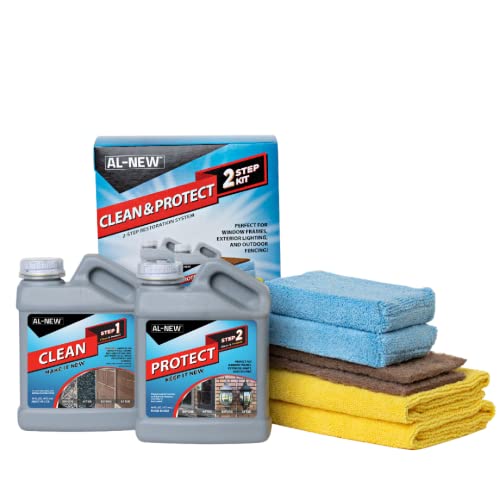
If you find your outdoor seating has lost its luster, the first step is to clean it thoroughly. Use a solution of warm water mixed with mild soap to wipe down all surfaces using a soft cloth or sponge. This process removes dirt and prepares the material for deeper treatment.
Next, assess the level of wear on the surfaces. For light discoloration, a specialized metal cleaner or a mixture of baking soda and water can work wonders. Apply it evenly, scrubbing gently with a non-abrasive brush, ensuring you follow the grain of the material. Rinse well with clean water afterward.
For more serious issues, consider polishing the surfaces using an appropriate polish that matches the material type. This not only improves appearance but also adds a protective layer against future wear. Always test the polish on a small, inconspicuous area before full application.
Finally, regular maintenance is key. Apply a protective sealant or cover to shield your outdoor seating from the elements. This proactive approach significantly extends the life and aesthetics of your outdoor areas.


Restoration Techniques for Dull Outdoor Seating
I recommend beginning with a thorough cleaning using a mixture of warm water and mild soap. Apply this solution with a soft brush to remove debris and dirt. Rinse with clean water to avoid soap residue.
<p.Next, assess the level of corrosion. For light tarnishing, a non-abrasive polish specifically designed for metal surfaces will offer satisfactory results. Apply it with a soft cloth, following the product instructions closely. Buff gently to restore shine.
If the surface displays heavier corrosion, a dedicated metal cleaner is required. Use fine steel wool or a nylon scrub pad to work the cleaner into the affected areas. Remember to follow up with a fresh water rinse and dry thoroughly to prevent moisture retention.
<p.To prevent future degradation, consider applying a protective sealant suitable for metal. This creates a barrier against environmental wear. Regular maintenance with a soft cloth after use can keep surfaces looking good over time.
<p.Finally, store items in a sheltered location during harsh weather conditions, utilizing covers designed for outdoor use. This proactive approach extends lifespan significantly and keeps surfaces looking pristine.
Assessing the Extent of Oxidation on Your Outdoor Seating
I begin by inspecting the surface area for any signs of deterioration. Lightly rub your fingers across the material; a chalky texture indicates oxidation. I document the severity of the damage using three categories: minimal, moderate, and severe.
Visual Inspection Checklist
| Category | Description | Next Steps |
|---|---|---|
| Minimal | Minor discoloration, no surface texture change. | Basic cleaning; consider a protective sealant. |
| Moderate | Obvious color fading, slight roughness. | Use a metal polish; follow with a thorough cleaning. |
| Severe | Rust spots, pitting or flaking of the coating. | Remove rust, sand the surface; repaint as necessary. |
Checking joints and hardware is crucial as well. Any loosening or corrosion at connection points suggests deeper issues that may require more extensive repairs. With a clear assessment completed, I’m ready to proceed with targeted treatments to enhance the appearance and longevity of my seating.
Choosing the Right Cleaning Solutions for Oxidized Metal
I recommend using a mixture of white vinegar and baking soda for cleaning metal surfaces that have lost their luster. This combination effectively breaks down corrosion without damaging the underlying finish. Simply create a paste with equal parts of both ingredients, apply it to the affected areas, and let it sit for about 30 minutes before scrubbing gently with a soft brush.
If vinegar and baking soda aren’t available, consider a commercial metal cleaner designed specifically for aluminum or steel. Look for products that list corrosion removal as a feature. Always test any cleaner on a small, inconspicuous area first to avoid adverse reactions.
An alternative is using dish soap mixed with warm water for light cleaning. This method is gentle and will help remove dirt and debris before tackling heavier oxidation. After cleaning with soap, rinse thoroughly to prevent residue buildup.
As for more severe cases, a phosphoric acid-based cleaner can be effective but requires careful handling. Always wear gloves and ensure good ventilation, as these products can be harsh. Apply according to the manufacturer’s instructions and follow up with thorough rinsing.
Ultimately, choosing the right solution depends on the severity of the tarnish and the type of metal you’re working with. Regular maintenance with mild detergents can help prevent future issues and keep surfaces looking polished.
Step-by-Step Guide to Remove Oxidation from Surfaces
I recommend beginning with a thorough inspection to identify all affected areas. Once pinpointed, gather the necessary materials before proceeding.
- Materials Needed:
- Soft cloths
- Non-abrasive scrub pads
- Mild detergent
- White vinegar
- Water
- Protective gloves
- Sealer (optional)
Combine equal parts white vinegar and water in a spray bottle. Spray the affected areas generously, allowing the solution to penetrate for about 10-15 minutes.
Using a soft cloth or non-abrasive scrub pad, gently work the solution into the surface with circular motions. This method ensures even coverage without scratching the material.
Rinse the area thoroughly with clean water, removing all vinegar residue. Ensure to dry the surface completely using a clean, dry cloth to prevent further deterioration.
If traces remain, repeat the vinegar treatment or use a mild detergent mixed with water for a more robust clean. Always test any new solution on a small, inconspicuous area first.
For ongoing protection, consider applying a sealer designed for the specific material. This will help guard against future discoloration and wear.
Regular maintenance is key. Wipe down surfaces periodically with a damp cloth to remove dust and debris, and reapply the protective coating as recommended by the manufacturer.
Polishing Techniques for Metal Patio Furniture After Cleaning
Choose a high-quality metal polish or a natural alternative like olive oil mixed with vinegar for a safe approach. Apply a small amount onto a soft cloth or microfiber rag, ensuring even distribution.
Use circular motions to buff the surface, focusing on areas with more significant tarnishing. Regularly check the cloth for residue to avoid scratching the metal.
For intricate designs, a toothbrush or soft-bristle brush can be useful to reach crevices. Patience is key; spend extra time on these areas to ensure a thorough shine.
After polishing, utilize a clean cloth to wipe away any excess product, creating a smooth, reflective finish. This step is crucial to prevent buildup that could dull the surface over time.
Consider applying a protective wax once the polish is complete. This layer helps repel dirt and moisture, prolonging the shine and integrity of the surface.
Applying Protective Coating to Prevent Future Oxidation
Choosing a high-quality protective coating is crucial for safeguarding against corrosion on metal surfaces. I recommend using a specialized wax or clear sealant designed for outdoor use. These products create a barrier that repels moisture and contaminants, significantly reducing the risk of deterioration over time.
Application Process
Ensure surfaces are clean and thoroughly dry before applying any protective product. I prefer to apply the coating with a soft cloth or brush, following the manufacturer’s instructions carefully. Multiple thin layers often offer better protection than a single thick layer. Allow sufficient drying time between applications to maximize adhesion and durability.
Maintenance Tips
Regular inspections for signs of wear or damage to the coating are essential. If I notice any areas where the sealant has worn away, I reapply immediately to maintain optimal protection. Additionally, cleaning the surfaces gently using a mild soap solution can help to prolong the life of the coating without compromising its integrity.
By investing in a quality protective finish, I ensure my outdoor metal items stay in excellent condition and resist the elements more effectively.
Maintaining Your Restored Outdoor Seating for Longevity
Regular maintenance is key to ensuring your renewed outdoor seating remains in prime condition. Begin by incorporating a gentle cleaning routine. I recommend using warm water and a soft cloth for weekly cleanings, removing dirt and debris that can cause wear over time.
For seasonal upkeep, inspect joints and connections for signs of loosening. Tighten any screws or bolts to prevent structural issues later on. Applying a light layer of silicone spray or lubricant to moving parts improves functionality and inhibits rust.
Consider positioning your seating thoughtfully. Avoid placing it in areas exposed to harsh weather, or use furniture covers when not in use. This simple precaution can guard against the elements, preserving the finish and integrity of materials.
To keep surfaces looking their best, reapply wax or polish once or twice a year. This not only enhances appearance but also provides a barrier against moisture and debris. Be wary of any fading; if you notice a change in color, it may indicate the finish is breaking down, warranting immediate action.
Lastly, as seasons change, remove any cushions or fabric elements to launder or store appropriately. Make sure these items dry completely before placing them back to prevent mold and mildew build-up. By following these practices, I ensure my outdoor seating remains a welcoming space for enjoyment all year round.
When to Seek Professional Help for Severe Oxidation Issues
Immediate consultation is advisable if the corrosion on your outdoor seating has progressed beyond surface damage. Here are key indicators:
- Extensive Pitting: If you notice deep pitting that compromises the integrity of the metal, intervention from a specialist is recommended.
- Inability to Clean: When standard cleaning methods fail to remove deterioration or discoloration, it may be time to involve an expert.
- Structural Weakness: Any signs of warping or bending indicate that the framework is at risk and requires professional assessment.
- Large Scale Restoration: For pieces that are heavily corroded and need complete refurbishment, skilled hands can achieve results unattainable by DIY methods.
- Uncertainty in Chemical Use: If the right removal solutions are unclear, a professional can ensure the selection and use of effective agents without damaging surrounding finishes.
Benefits of Professional Restoration
- Expert Techniques: Specialists often utilize advanced methods and tools, ensuring a high standard of rejuvenation.
- Time Efficiency: They can often complete the job faster than a do-it-yourself approach, saving valuable time.
- Long-Term Solutions: Professionals may provide treatments or coatings that enhance durability, preventing future issues more effectively than DIY remedies.
Ultimately, safeguarding your investment in outdoor décor is key. If unsure, seeking expertise can lead to more reliable outcomes.
FAQ:
What are the initial steps to assess the condition of oxidized patio furniture?
Begin by visually inspecting the furniture for signs of oxidation, such as a dull, chalky appearance or discoloration. Check for rough spots or peeling paint and gently wipe the surface with a damp cloth to remove any dust or debris. This will help you gauge the extent of oxidation and determine the appropriate cleaning method.
What materials and tools do I need for restoring oxidized patio furniture?
To restore oxidized patio furniture, you will need the following materials: a non-abrasive cleaner, a soft cloth or sponge, fine-grit sandpaper (if applicable), metal polish or a specific restoration product for the type of material, and a clear sealant to protect the finish once the restoration is complete. Optionally, gloves and safety glasses can provide protection during the process.
Can I restore wooden patio furniture that has become oxidized, and if so, how?
Yes, wooden patio furniture can be restored from oxidation. First, clean the surface with soapy water to remove grime. Then, sand the oxidized areas with fine-grit sandpaper until smooth. After sanding, apply a wood conditioner followed by a sealant or stain to protect the wood and enhance its color. Allow ample drying time between steps to ensure a quality finish.
How can I prevent future oxidation on my patio furniture?
To prevent oxidation, regularly clean your patio furniture to remove debris and moisture. Applying a protective sealant or cover can also shield against the elements. For metal furniture, using rust-resistant paint or treatment can provide an additional layer of protection. Storing the furniture indoors or using a weather-resistant cover during harsh weather can further reduce the risk of oxidation.


