Caleb Turner

Mix equal parts of olive oil and vinegar in a spray bottle. Lightly mist the surface with this solution, then buff gently with a soft cloth. This method nourishes the timber and enhances its natural luster, helping to bring back its original sheen.
A fine-grade steel wool can be employed for a more serious restoration. Gently rub the affected area, ensuring you follow the grain of the wood. Once completed, apply the aforementioned olive oil and vinegar mixture for best results.
Consider using a specialized wood conditioner. Select a product designed for dark woods; it penetrates deeply and revitalizes the finish. Apply it according to the manufacturer’s instructions for optimal protection and shine.


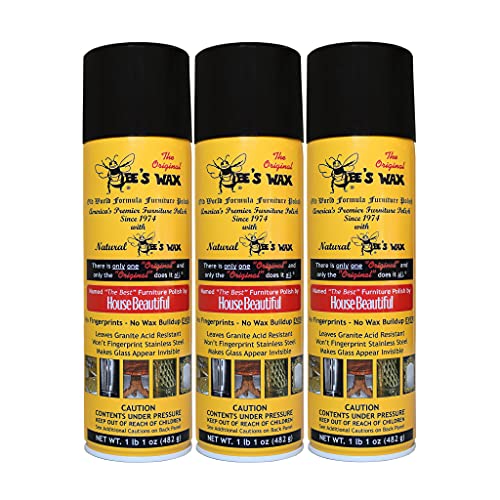
Regular maintenance plays a key role. Dust frequently with a soft, lint-free cloth, and avoid exposing your pieces to direct sunlight. This precaution helps prevent long-term discoloration and damage.
Restoring Faded Rosewood Pieces
Apply a high-quality wood cleaner to remove dirt and grime, which will prepare the surface for treatment. A mixture of mild soap and water can suffice; use a damp cloth to gently wipe the wood.
Prepare a homemade mixture with equal parts of linseed oil and white vinegar, applying it with a soft cloth. This helps to reinvigorate the natural oils in the wood, improving its overall appearance.
For deeper rejuvenation, consider using specialized wood conditioners. Follow the manufacturer’s instructions for optimal results, ensuring even application and avoiding excess product buildup.
Utilize fine-grit sandpaper, sanding in the direction of the grain. This technique removes any surface imperfections and allows for better absorption of oils and conditioners. Always clean the surface with a lint-free cloth afterward to eliminate dust.
If you encounter stubborn stains, enlist a mixture of baking soda and water to form a paste. Apply it sparingly and rub gently until the stain lifts, then wipe clean.
For protection against future wear, finish with a coat of natural beeswax polish. This will not only enhance the shine but also provide a layer of defense against environmental damages.
| Step | Action |
|---|---|
| 1 | Clean with mild soap and water |
| 2 | Apply linseed oil and vinegar mixture |
| 3 | Use a wood conditioner |
| 4 | Sand with fine-grit paper |
| 5 | Address stains with baking soda paste |
| 6 | Finish with beeswax polish |
Check regularly for signs of wear and reapply oils or polishes as needed to maintain the beauty of these cherished items.
Assessing the Condition of Your Antique Wood Piece
Begin with a thorough visual examination. Look for signs of wear such as scratches, dents, or discoloration. Use natural light, as this can reveal inconsistencies and flaws that artificial lighting might hide.
Next, check for structural integrity. Gently test joints; any looseness may indicate age-related issues. If a leg wobbles or a drawer sticks, take this as a sign that repairs may be necessary.
Evaluate the surface texture. Run your fingers over the surface to feel for rough patches or areas that seem sticky. This may hint at previous treatments or products that have failed.
Conduct a smell test. A musty odor suggests moisture damage, while strong chemical smells can indicate improper refinishing. Both scenarios require special attention.
Lastly, consult the finish. Identify whether the surface is lacquered, oiled, or varnished. Different finishes require distinct upkeep methods. Document these details for future reference.
| Condition Indicator | Action Required |
|---|---|
| Visible scratches or blemishes | Consider polishing or applying a touch-up solution |
| Wobbly joints | Reinforce or clamp as needed |
| Rough or sticky surface | Strip and refinish for a smooth feel |
| Musty or chemical smells | Assess for moisture or improper treatments |
| Undefined finish type | Research or test to determine appropriate care |
Choosing the Right Cleaning Products for Rosewood
I recommend using soft microfiber cloths to gently remove dust and debris without scratching the surface. For deeper cleaning, opt for a solution that combines equal parts of white vinegar and olive oil. This natural mixture will cleanse while adding moisture back to the grains.
Avoid aggressive chemical cleaners as they can strip away the natural oils and finish. Instead, consider pH-neutral soap diluted in water for regular maintenance. Make sure to test any product on a hidden area before applying it to the entire piece to ensure compatibility.
Commercial wood cleaners labeled as safe for hardwoods can also work effectively but verify the ingredient list. Products containing silicones or waxes can lead to buildup, compromising the piece’s appearance over time. Always choose those specifically marketed for fine woods.
If you seek to remove stains, a paste of baking soda and water can be applied gently with a soft cloth. This approach minimizes the risk of damage while lifting unwanted marks. Ensure that any leftover residue is completely wiped away afterward.
For conditioning, look for natural oils like jojoba or tung oil. These substances rejuvenate the surface, enhancing luster and protecting against drying. Apply sparingly and buff with a clean cloth to avoid greasy spots.
After cleaning, I prefer applying a light coat of a suitable wax to enhance sheen and provide a barrier against dust accumulation. This step also prolongs protection against wear and tear.
Removing Dust and Dirt from the Surface
I recommend using a soft, lint-free cloth to gently wipe the surface, ensuring that I avoid any abrasive materials that could scratch the finish. A microfiber cloth is particularly effective, as it traps dust particles without pushing them around.
Before proceeding, I lightly dampen the cloth with water or a mild soap solution. I always test this mixture on a hidden area first to confirm there’s no adverse reaction. Care is key; I avoid saturating the wood, as excess moisture can lead to warping.
For stubborn dirt, I can create a paste with baking soda and water. Applying it gently with a soft cloth allows for effective spot cleaning. Afterward, it’s important to follow up with a dry cloth to remove any residue.
I consistently keep the environment clean to minimize the buildup of dust and grime. Regular dusting prevents any harsh cleaning products from being necessary down the line, preserving the integrity of the piece.
If needed, I consider using specialized oils or polishes designed for the particular wood type. These products often contain gentle cleaning components that rejuvenate the surface while also offering protection. After using these products, I always buff the surface to achieve a natural sheen.
Applying Oils for Restoration and Shine
Use high-quality oils like linseed or tung oil for optimal results. These oils penetrate the wood, enhancing its natural beauty and providing a protective layer against moisture and dirt.
-
Preparation: Ensure the surface is clean and dry before applying oil. Any residue can affect the absorption and finish.
-
Application:
- Pour a small amount of oil onto a soft, lint-free cloth.
- Rub the oil onto the surface using circular motions, ensuring even coverage.
- Allow the oil to soak in for at least 15-30 minutes.
-
Wipe Off Excess: Use a clean cloth to remove any excess oil to prevent a sticky residue.
-
Drying Time: Let the piece sit for a few hours. For optimal results, avoid using the item until it completely dries, often overnight is sufficient.
-
Repeat Process: For best results, consider a second application after 24 hours to achieve a deeper finish and enhanced shine.
Regular maintenance with oil every 6-12 months will keep the wood nourished and looking its best.
Fixing Scratches and Dents on Rosewood
I use a few straightforward techniques to address scratches and dents on this beautiful hardwood.
For shallow scratches, a simple method involves using a soft cloth and a mixture of olive oil and vinegar. I create a ratio of 3:1, applying it gently to the affected area. This helps blend the scratch with the surrounding finish.
For deeper marks, I choose a crayon or wax stick that matches the wood’s color. I fill in the scratch, ensuring an even application. Afterward, I buff the area lightly with a soft cloth to smooth the finish.
Dents can often be addressed with steam. I place a damp cloth over the dent and apply a hot iron briefly. The steam helps the wood fibers to expand. I check frequently to avoid excessive heat.
If the dent is still visible, I again use the wax stick for refinement, ensuring the color matches and the finish is uniform.
After applying any of these methods, I always finish with a layer of polish or oil to restore the overall sheen of the surface.
Reapplying Finish for a Renewed Appearance
I recommend using a quality finish for the best results. Begin by selecting a suitable product, such as a polyurethane or varnish, that is compatible with the existing coating. Ensure the area is well-ventilated and prepare your workspace by laying down a protective covering.
Lightly sand the surface using fine-grit sandpaper, which helps the new finish adhere better. Always sand in the direction of the grain to avoid visible scratches. After sanding, wipe down the surface with a damp cloth to remove dust particles.
Once dry, apply the finish using a clean brush or a lint-free cloth. Start with a thin layer and work in even strokes to prevent drips and uneven textures. Allow each coat to dry completely, following the manufacturer’s instructions on drying times.
For a deeper shine, apply multiple layers. Lightly sand between coats with very fine sandpaper to achieve a smooth surface. This step enhances the final appearance and durability of the finish.
After the last application, let the piece cure according to the product guidelines before using it. This ensures the new surface withstands wear and retains its beauty over time.
Preventing Future Fading and Damage
To maintain the beauty of your prized hardwood pieces, I recommend implementing a few key practices:
- Place furniture away from direct sunlight. Install blinds or use sheer curtains to diffuse light.
- Use coasters under drinks and trays under hot items. This protects against moisture and heat, which can lead to surface damage.
- Regularly apply a suitable protective finish. This reduces exposure to elements that contribute to wear.
- Maintain a stable indoor humidity level between 40% and 60%. Dehumidifiers or humidifiers can help manage moisture in the air.
- Rotate items displayed on and around your pieces to minimize uneven exposure to light.
Consistent care ensures lasting quality and appearance for your cherished wood treasures.