
 Caleb Turner

Begin by cleaning the surface with a solution of warm water and mild soap, ensuring all dust and grease are removed. This prepares the item for treatment, enhancing adhesion and overall finish.
Next, choose a suitable stain that complements your existing color. Test the stain on a small, inconspicuous area first to see how it reacts with the current finish. Once satisfied with the test patch, apply the stain evenly using a soft cloth or brush, ensuring a smooth coat.


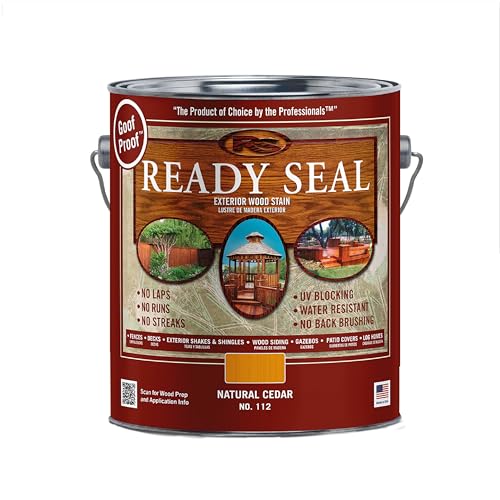
For a more uniform appearance, consider using a grain filler before the staining process. This minimizes imperfections and helps achieve a polished look. After applying the stain, allow it to penetrate for a few minutes, then wipe off excess with a clean cloth to prevent uneven coloring.
Finish the restoration by sealing the surface with an appropriate top coat, such as polyurethane or varnish, to protect the beauty of your work. Follow the manufacturer’s recommendations for drying times to ensure proper adhesion and longevity of the finish.
Restaining Process
Begin with thorough cleaning to remove dust and grease. A mixture of warm water and a few drops of dish soap works well. Wipe down the entire surface using a soft cloth. After cleaning, let it dry completely to avoid trapping moisture.
Preparation Steps
To achieve optimal results, lightly sand the surface with fine-grit sandpaper (220 grit). This promotes better adhesion for the new stain. Always sand in the direction of the grain to prevent scratches.
Staining Application
Select a stain that matches your desired outcome. Using a brush or cloth, apply the stain evenly, working in sections. Allow it to sit for 5-10 minutes to absorb before wiping off the excess with a clean cloth. Multiple coats may be necessary for deeper color; ensure each layer dries completely before applying the next.
| Steps | Tools Needed |
|---|---|
| Clean surface | Soft cloth, soap, water |
| Sand lightly | Fine-grit sandpaper |
| Apply stain | Brush or cloth |
| Wipe excess | Clean cloth |
For finishing touches, apply a protective clear coat once the stain has dried fully. This will enhance durability and maintain the new appearance. Choose between matte, satin, or gloss finishes depending on your preference.
Selecting the Right Stain for Your Project
Choose a hue that complements existing elements in your space. Consider color swatches against other surfaces to visualize how they interact.
Test a small area with different shades. Application techniques can alter the final look, so experiment on an inconspicuous part to ensure satisfaction.
Pay attention to the finish. Matte, satin, or gloss stains behave differently. Glossy finishes enhance color vibrancy, while matte options offer a more subdued effect.
Evaluate the type of wood. Softer woods like pine absorb stain differently than hardwoods like oak or maple. Adjust your selection based on the wood’s characteristics.
Decide on the application method. Gel stains allow for greater control and are excellent for vertical surfaces. Liquid stains penetrate deeper but may require more precision.
Check for compatibility with any existing finish. Some products adhere differently, so it’s essential to choose a stain designed for use over old layers.
Lastly, consider the intended use of the piece. Higher durability stains work best for frequently used items, while less durable options may suffice for decorative pieces.
Preparing the Surface Without Stripping
Begin by cleaning the surface thoroughly. Use a solution of warm water and mild dish soap, applying it with a soft cloth. This removes dust, dirt, and oils that can interfere with adhesion.
Once clean, I let the piece dry completely. If there are any shiny areas or old finishes, it’s helpful to lightly scuff them with fine-grit sandpaper. This step creates a better grip for the new color.
Spot Repairs
Examine for any scratches or dents. For minor imperfections, I use a wood filler that matches the original grain. Once dried, I sand these spots smooth to blend them seamlessly into the surrounding area.
Finalize the Surface
After repairs, I wipe the surface with a tack cloth to remove any dust particles left from sanding. This ensures a clean, smooth base for the application of the new hue. Ready for the next phase of the transformation!
Cleaning Furniture Before Restaining
Begin with a thorough dusting using a soft cloth or microfiber to eliminate any loose particles. Follow up with a gentle cleaning solution made from equal parts vinegar and water, applied with a clean cloth. This mixture is effective in removing grime and grease without damaging the finish.
Deep Cleaning
For stubborn stains, consider using a specialized wood cleaner formulated for your particular type of finish. Apply it with a sponge, scrubbing gently to avoid scratching the surface. Always test cleaners on a hidden spot to ensure compatibility.
Final Touches
Once cleaned, wipe down the surface with a damp cloth to remove any cleaner residue, and let it dry completely before moving on to the next phase. This step ensures that the application of stain adheres uniformly and effectively, preventing any blotchiness in the final result.
Applying Stain Evenly for Best Results
To achieve a consistent finish, I apply the color using a high-quality brush or a clean cloth, ensuring I work in manageable sections. This allows for better control and prevents the material from drying unevenly. I always start at one end and move toward the other, applying the stain in the same direction as the grain. This technique enhances absorption and reduces the chances of streaks.
Using the Right Amount
It’s crucial to use the right amount of product; too much can lead to drips and uneven patches. I apply the color lightly, building up layers gradually. A thin coat dries faster and allows me to assess if more is needed without oversaturating the surface.
Blending for Continuity
I regularly check for consistency as I go along. If I notice any uneven areas, I gently blend them while the application is still wet. Using a clean cloth or brush, I feather the edges to create a seamless transition. This technique is especially important around corners or intricate details, where the risk of unevenness is higher.
Understanding Drying Times Between Coats
Ensure adequate drying time between applications for optimal results. I typically recommend waiting at least 2 to 4 hours for oil-based products and 1 to 2 hours for water-based solutions before applying a subsequent layer. This will differ based on environmental conditions such as temperature and humidity.
To confirm readiness, I suggest performing a simple touch test. Lightly touch an inconspicuous area; if it feels tacky, additional time is needed. For quicker drying, I maintain good air circulation and use fans to promote evaporation.
Always check the manufacturer’s guidelines for specific drying times of the particular stain being used. Some products may feature quick-drying formulas that require less waiting time.
Here’s a clear outline for drying times:
- Oil-based Stains: 2-4 hours for initial dry, 24 hours for full cure.
- Water-based Stains: 1-2 hours for initial dry, up to 8 hours for full cure.
- Humidity Consideration: Increase drying time in high humidity environments.
- Temperature Effects: Lower temperatures may extend drying times significantly.
After completing all coats, allow a full curing period before applying any protective finish. This ensures a durable, long-lasting result. Generally, I let it cure for at least 24 hours but follow the product specifics for the best outcome.
Sealing and Protecting Your Newly Stained Furniture
To safeguard your freshly colored surfaces, applying a protective finish is necessary. I recommend using a clear polyurethane or a natural oil finish, depending on the desired look and usage of the piece. For high-traffic items, a water-based polyurethane is ideal due to its durability and quick drying time.
Before applying the sealant, ensure the surface is clean and dust-free. Use a soft cloth to wipe away any debris, and consider lightly sanding the surface with fine-grit sandpaper to promote adhesion.
Apply the finish using a high-quality brush or foam applicator to achieve an even coat. Working in thin layers prevents runs and drips, allowing for better control. Make sure to follow the manufacturer’s instructions regarding application techniques and dry times.
After the initial coat, sand lightly with fine-grit sandpaper once dry. This step enhances the smoothness and prepares the surface for subsequent layers. I typically apply at least two to three coats for optimal protection and durability.
Once the final coat is applied, allow adequate curing time. Avoid using the piece for at least a week to ensure the finish fully hardens, thus providing the best defense against scratches and stains.
Regular maintenance of the protective layer involves periodic cleaning with gentle, non-abrasive cleaners and reapplying the finish as needed to keep your item looking its best.
Tools Needed for a Successful Restaining Process
For an effective rejuvenation of surfaces, these tools are indispensable:
| Tool | Purpose |
|---|---|
| Rags or Lint-Free Cloths | To wipe off excess stain and ensure a smooth application. |
| Sandpaper (Various Grains) | To lightly scuff the existing finish for better adhesion of the new color. |
| Stain Applicator (Brush or Foam Pad) | For even application; a brush allows more control on detailed areas. |
| Drop Cloths | To protect surrounding areas from drips and spills. |
| Paint Thinner or Mineral Spirits | For cleaning tools and wiping down surfaces before applying the new finish. |
| Protective Gear (Gloves, Mask) | To ensure safety from fumes and skin contact with chemicals. |
| Sealer or Topcoat | To protect the newly applied stain and enhance durability. |
Having the right tools at hand streamlines the whole endeavor, allowing for better results and a more satisfying experience.
Common Mistakes to Avoid When Restaining
Skipping the test on a hidden area is a frequent oversight. A small patch can reveal how the new pigment interacts with the existing finish. Always check first.
Rushing the preparation process leads to poor results. Ensure the surface is free of dust and grease. A thorough cleaning creates a better foundation for adhesion.
Applying too thick a layer of color is another pitfall. A thick application can result in uneven shading and longer drying times. Aim for thin, even coats instead.
Ignoring Dry Times
Mixing products or misestimating drying periods can ruin the final look. Follow the manufacturer’s instructions rigorously. Patience pays off in achieving a uniform appearance.
Skipping the Sealant
Neglecting to finish with a protective layer exposes the result to wear and moisture. Select a suitable topcoat to secure the new surface and enhance durability.
- Avoid dark colors over light stains.
- Do not use incompatible cleaning agents before application.
- Resist the temptation to rush the process.
- Ensure proper ventilation to speed up drying.
- Do not forget to maintain tools and materials for a streamlined experience.
FAQ:
What are the first steps in preparing wood furniture for restaining without stripping?
Before restaining your wood furniture, it’s important to clean the surface thoroughly. Start by removing dust and dirt using a soft cloth or a microfiber duster. If there are any stains or sticky residues, use a mix of warm water and mild soap to gently scrub the area, then dry it with a clean cloth. Next, consider using a wood cleaner or a pre-stain condition to help the new stain adhere better. Make sure the furniture is completely dry before applying any new stain.
Can I use the same stain over an old finish, or do I need to change the type of stain I use?
You can often use the same type or color of stain on an old finish, especially if the wood furniture has been previously stained and is in decent condition. However, if the original finish is worn or damaged, it might exhibit uneven color absorption. In such cases, test the stain on a small, inconspicuous area to see how it looks before applying it to the entire piece. If you’re unhappy with the way the old stain interacts with the new, consider switching to a gel stain, which can provide more coverage and better consistency on older finishes.
What tools and materials do I need for restaining wood furniture without stripping?
To successfully restain wood furniture, gather the following tools and materials: a soft cloth or microfiber towels for cleaning, a brush or foam applicator for applying the stain, sandpaper (fine grit) or a sanding sponge for smoothing the surface, and a wood conditioner if using a water-based stain. Additionally, you may want to use gloves to protect your hands and a drop cloth to catch any drips or spills. If you plan to apply a topcoat, be sure to have a clear finish or sealant to protect your newly stained surface.
How can I achieve an even stain finish on my furniture?
Achieving an even stain finish requires careful application and technique. Start by applying the stain in thin, even layers, working with the direction of the wood grain. Use a brush or foam applicator and avoid overloading it with stain to prevent drips. After applying, let it sit for a few minutes, then wipe off any excess with a clean cloth. If you’re not satisfied with the color intensity, you can apply additional coats after the previous one has dried completely. Always allow adequate drying time between coats for the best results.


