
 Caleb Turner
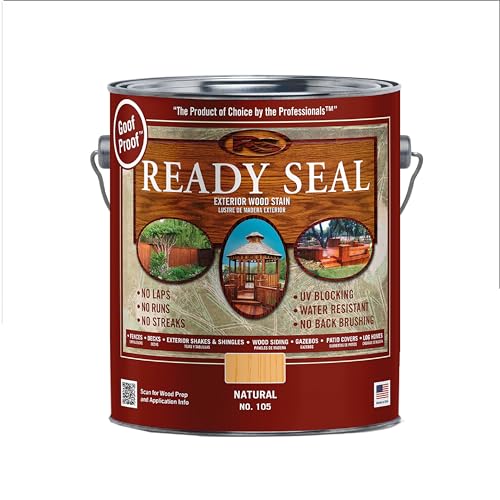
If you’re faced with scratches, dents, or a dull finish on your beloved piece made of hardwood, a simple regime of cleaning and refinishing can make a significant difference. First, assess the damage; light scratches often can be concealed with a wood touch-up marker or blend in with a wax crayon. For deeper flaws, a sanding block helps smooth the area before applying a matching wood stain.
Once you’ve dealt with surface issues, consider the overall sheen. A high-quality furniture polish can restore luster and protect against future wear. For a more thorough finish, use a combination of mineral spirits and oil to nourish the wood while providing a protective layer. Apply gently with a soft cloth, ensuring you follow the grain for the best results.
In situations where structural issues arise, such as loose joints, a strong wood glue can be applied to reinforce connections. Clamp the area after application to ensure a solid bond. Allow it to cure fully before using the item again, ensuring its integrity remains intact for years to come.
Repair Oak Furniture
I recommend using a wood filler to address any scratches or dents on the surface. Choose a shade that closely matches the natural tone of the hardwood. Apply the filler with a putty knife, ensuring it fills the damaged area completely. Allow it to dry fully before sanding it smooth with fine-grit sandpaper.
For water stains, mix equal parts of vinegar and olive oil to create a solution. Apply this mixture to the affected area using a soft cloth, rubbing in the direction of the grain. It often helps to lift the stain while nourishing the wood.

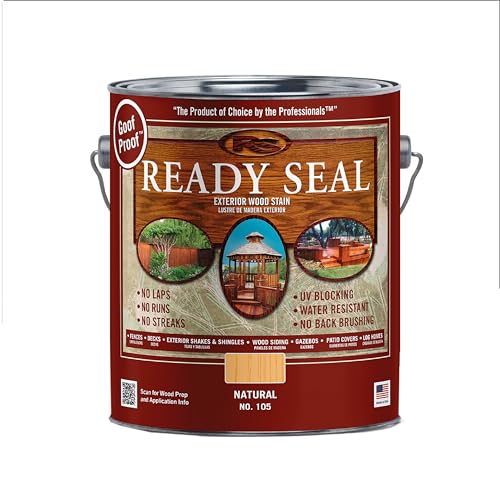

If you encounter loose joints, disassemble the piece carefully. Apply wood glue to the joints and clamp them securely until dry. For added strength, consider using dowels or corner brackets in conjunction with the glue.
To restore the finish, clean the surface with a mixture of mild soap and water. Dry thoroughly before applying a suitable oil or wax. This not only provides a protective layer but also enhances the natural luster of the grain.
Should the surface require refinishing, strip the old finish using a chemical stripper. Once the old layer is removed, sand lightly to smoothen the surface and prepare it for a new coat. Choose a high-quality stain or varnish for optimal results.
Identifying Common Damage Types on Oak Furniture
Inspect any piece thoroughly. Look for scratches and dents, commonly caused by regular use or moving items. These may appear as shallow lines or deeper grooves in the wood surface, detracting from its appearance.
Water Damage
Check for white rings or stained areas, often a result of spills or humidity. This can affect the finish and may require refinishing to restore the original look.
Woodworm Infestation
Examine for small holes and dust-like powder around joints. This indicates the presence of wood-boring insects. Treat affected sections immediately to prevent further damage.
Look also for loose joints or wobbly legs, as this could signify structural weakness. Tightening screws or using wood glue can often remedy these issues.
Tools and Materials Needed for Furniture Restoration
Gather the following items before starting the project:
Basic Tools
| Tool | Purpose |
|---|---|
| Philips and Flathead Screwdrivers | For removing and tightening screws. |
| Hammer | Used for driving nails or adjusting joints. |
| Wood Glue | For bonding broken or loose pieces. |
| Sanding Block or Electric Sander | To smooth surfaces and prepare for finish. |
| Clamps | To hold pieces together while glue dries. |
| Utility Knife | For precision cuts and removing old adhesive. |
| Measuring Tape | To ensure accurate measurements. |
Finishing Materials
| Material | Use |
|---|---|
| Wood Stain | To enhance or change color of the wood. |
| Clear Coat or Polyurethane | To protect the surface from wear and moisture. |
| Paintbrushes or Foam Applicators | For applying stains and finishes evenly. |
| Lacquer Thinner or Mineral Spirits | For cleaning brushes and thinning products. |
| Rags or Paper Towels | For wiping off excess stain or finish. |
Having these tools and materials ready will streamline the process, ensuring a solid outcome. Make sure to double-check your supply levels to avoid interruptions.
Step-by-Step Guide to Fixing Scratches on Oak Surfaces
Begin with cleaning the affected area using a soft cloth and mild soap solution. Ensure all dirt and dust are removed for better adhesion of the treatment.
1. Identify the Scratch Type
Examine the depth of the mark. Superficial scratches may only require a touch-up, while deeper ones might need more intensive methods.
2. Use a Walnut or Almond
For minor scratches, rub the meat of a walnut or almond directly over the blemish. The natural oils help fill in the imperfections and camouflage the scratch.
3. Apply a Scratch Filler
Select a suitable filler specific for the wood type. Apply a small amount with a putty knife, ensuring it’s pushed into the scratch thoroughly. Wipe away excess with a cloth.
After the filler dries, sand lightly with fine-grit sandpaper to blend the area with the surrounding finish.
4. Restoring the Finish
Use a matching wood stain to blend the repair into the overall surface. Apply evenly with a soft cloth, then let it dry completely.
5. Seal the Repaired Area
Finish by applying a protective coat, such as polyurethane or furniture wax. This will help to protect the area and enhance the overall sheen of the surface.
Always test any product on an inconspicuous area before full application to ensure compatibility.
Repairing Loose Joints and Structural Issues in Hardwood Pieces
For addressing loose connections, I recommend using wood glue for a secure bond. Carefully apply the adhesive into the joint, ensuring even coverage. Then, clamp the joint together for several hours to guarantee proper adhesion.
If a leg or support is wobbly, check the joint’s stability. Tightening screws or bolts will often resolve the issue. In cases where pegs have come loose, remove the old glue, clean the area, and reinsert with fresh adhesive.
- Begin by inspecting all joints. Look for gaps or movement.
- Use a moist cloth to clean the surfaces before applying any adhesive.
- For weakened areas, consider using wood dowels for additional support.
In instances of structural damage, such as cracks or splits, I fill these with a wood filler that matches the finish. After applying the filler, sand it down to create a smooth surface, blending it with the surrounding wood.
- Identify any loose joints or areas needing reinforcement.
- Prepare the surfaces by cleaning and drying them thoroughly.
- Apply glue or filler as necessary, followed by stabilization methods like clamps or dowels.
- After the adhesive cures, sand smooth and refinish if required.
Regular maintenance helps prolong the life of my cherished items. Periodically check for signs of wear and address them promptly.
Restoring the Finish on Worn Oak Furniture
I typically begin with a thorough cleaning of the surface using a mild soap solution and a soft cloth. This step removes dust and grease, ensuring that the new finish adheres properly. After cleaning, I allow the piece to dry completely before proceeding.
Next, I assess the level of wear on the finish. If it’s only minor scratches or dullness, I use a high-quality furniture polish or wax. Applying it with a soft, lint-free cloth in a circular motion helps rejuvenate the appearance while providing a protective layer.
For Deeper Restoration
- I prepare the surface by sanding it gently with fine-grit sandpaper (180-220 grit) to remove the old finish without damaging the wood beneath.
- I wipe away dust with a damp cloth.
- I apply a wood conditioner if the timber is particularly dry. This step helps to achieve a more uniform finish.
- Once dry, I choose a suitable stain or finish that complements the existing color. I apply with a brush or cloth, following the grain.
After the stain sets, I add a protective top coat, typically using polyurethane for durability. Using a clean brush, I apply it evenly and allow it to dry thoroughly between coats, usually recommending at least two applications for a robust finish.
Final Touches
For a polished look, I buff the final coat with a soft cloth after it has cured completely. Checking for any missed spots ensures an even appearance across the entire surface. By following these steps, the luster of the item returns, enhancing its beauty and prolonging its life.
Dealing with Water Damage on Oak Furniture
First, ensure all wet items are thoroughly removed from the surface to prevent further moisture absorption. Immediately address stains by blotting with a soft, dry cloth–do not rub, as this may spread the damage.
For light water marks, I apply a mixture of equal parts vinegar and olive oil. Using a soft cloth, I rub this gently on the affected area, following the grain of the wood. This can help lift the stain while nourishing the wood.
In cases of deeper blemishes, using a hairdryer on the low setting can gently evaporate trapped moisture. Keep the dryer moving to avoid overheating any single spot, which can cause additional harm.
If surface finish has peeled or bubbled, lightly sand the area with fine-grit sandpaper. Keep the sanding minimal to preserve surrounding areas. After sanding, wipe clean and let it dry completely before proceeding.
Moisture intrusion may damage underlying structures; ensure joints are robust. If you notice looseness, tighten screws or use wood glue, applying clamps until dry for best adhesion.
Finally, consider reapplying a suitable topcoat to restore the protective layer. A polyurethane or wax finish can offer renewed protection against future spills and accidents.
Preventive Measures to Extend the Life of Oak Furniture
Maintain humidity levels between 40-60% to prevent cracking and warping. Use a humidifier in dry seasons and a dehumidifier during humid months.
Apply a high-quality wax or furniture polish regularly, ideally every 6-12 months. This protective layer reduces scratches and repels moisture while enhancing appearance.
Strategic Placement
Avoid direct sunlight by positioning items away from windows. UV rays can fade finishes and damage the surface over time.
Cleaning Routine
Dust surfaces with a soft, lint-free cloth weekly. For deeper cleaning, dampen the cloth with a solution made of mild soap and water. Immediately dry the surface to prevent moisture absorption.


