
 Caleb Turner

Begin with a thorough cleaning of the surface using warm soapy water and a soft cloth. Remove any dirt, grime, and grease to ensure proper adhesion of the restoring element. Allow the seating to dry completely before proceeding with any touch-ups.
Choose a high-quality exterior coating that matches the original hue. This is crucial for maintaining a visual consistency. Using a fine brush or spray can, apply the color carefully, focusing on the areas that need attention. Several thin layers will often yield better results than one thick application, allowing for smooth blending.
Once the work is done, allow ample time for the new layer to cure. Depending on the climate and product used, this may take several hours or even days. Keeping the furniture away from harsh weather conditions during this period will help reinforce the repair and longevity.
After the coating has fully cured, consider applying a protective sealant. This step can enhance durability and resistance to further wear, ensuring the longevity of your outdoor seating’s appearance.
Restoring a Smooth Finish on Outdoor Seating
To enhance the look of outdoor seating, I begin by cleaning the affected area using a mild soap and water solution, followed by a thorough rinse. Once dry, I gently sand the damaged spot with fine-grit sandpaper to create a smooth surface. For filling any cracks or imperfections, a high-quality filler specifically designed for outdoor use works best.


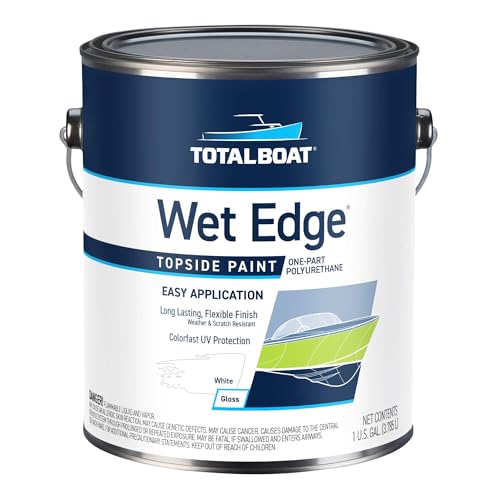
Choosing the Right Hue
After preparing the area, I select a color that matches the existing finish as closely as possible. Utilizing touch-up paint or spray in light layers allows me to achieve an even coverage. It’s crucial to allow each layer to dry completely before applying the next.
Final Touches
To seal the work, I prefer a protective clear coat that enhances durability against the elements. Applying this after the final coat of color boosts longevity and keeps the surface looking fresh.
| Step | Action |
|---|---|
| 1 | Clean the area thoroughly |
| 2 | Smooth the surface with sandpaper |
| 3 | Fill in imperfections |
| 4 | Apply matching color in light layers |
| 5 | Seal with a clear protective coat |
Assessing the Damage: Identifying Chip Size and Type
Begin with a close inspection of the affected area. Identify the size of the damage by measuring the width and depth of each imperfection. Use the following classifications for guidance:
- Small Chips: Typically less than 1/4 inch. These may require only touch-up solutions.
- Medium Chips: Ranging from 1/4 inch to 1 inch. A more thorough fix might be necessary, involving filling materials before applying any finishing products.
- Large Chips: Exceeding 1 inch. These often need extensive restoration work, including sanding and possibly repainting entire sections.
Next, assess the type of damage. This can influence the materials and techniques I will choose:
- Surface Damage: Only the top layer is affected, permitting simpler solutions.
- Deeper Damage: Reaches beyond the surface, potentially compromising the underlying material’s integrity, necessitating more robust methods.
- Rust or Corrosion: Indicates metal exposure, requiring rust treatment before any coverings can be applied to prevent future issues.
Taking precise measurements and identifying the nature of each flaw guarantees a more effective approach to restoration. Document findings for reference during the repair process, ensuring all necessary materials are on hand.
Gathering Necessary Materials for the Repair
I recommend collecting the following items before starting your restoration task:
- Sandpaper: Choose grits from coarse (80-120) to fine (220). This helps in smoothing the area around the damaged section.
- Primer: Select a suitable primer that adheres to the material. A spray primer can ensure even application.
- Topcoat: Match the color and finish with the original covering, whether it’s glossy or matte.
- Brushes and Rollers: Use high-quality brushes for detailed work and rollers for larger areas to achieve a smooth finish.
- Cleaner: A mild detergent or appropriate cleaner helps to prep the surface by removing dust and grime.
- Masking Tape: Ideal for protecting areas that should remain untouched during the application process.
- Drop Cloths: To protect surrounding surfaces from overspray and drips.
Additional Tools
Consider having these tools on hand:
- Putty Knife: Useful for applying filler if deeper damage is present.
- Safety Gear: Gloves, goggles, and a mask ensure protection from fumes and dust.
- Paint Mixer: Required to achieve the desired consistency if using a can of paint.
Being organized with materials will streamline the process and enhance the quality of the outcome.
Preparing the Surface: Cleaning and Sanding Techniques
Thoroughly cleaning the affected area is my first step. I use a mix of warm water and mild soap to scrub away dirt and debris, followed by rinsing with clean water. This ensures proper adhesion of the new finish. It’s crucial to dry the surface completely before proceeding.
Once clean, I assess the area for any rough spots or leftover residues. A fine-grit sandpaper (about 220 grit) is my go-to tool for smoothing the surface. I lightly sand the vicinity of the damage to create a better bonding profile for the refinishing product. It’s important to sand in a circular motion to minimize scratches and achieve an even surface.
After sanding, I wipe the area again with a damp cloth to eliminate dust particles. Allow the surface to dry completely. This detailed preparation enhances the final outcome, ensuring that the new layer has a solid foundation.
Choosing the Right Paint for Your Outdoor Seating
I recommend selecting a marine-grade or exterior enamel coating for optimal durability. These types can withstand moisture and ultraviolet rays, making them ideal for outdoor conditions.
Focus on finishes that provide a rugged texture, as this not only adds to the aesthetics but also enhances grip, which can be important for safety. For a smooth feel, look for products labeled as satin or semi-gloss, which also resist mold and mildew.
Testing a small area before full application is wise. This trial will reveal how the color looks in different lighting and how it adheres to the surface. Also, verify the drying time–quick-dry options can expedite your project significantly.
Always consider the type of material of your seating. For metal, a rust-inhibiting formula is crucial to prevent deterioration. For wood, choose a product that offers a protective seal against water, ensuring longevity.
Compatibility with existing coatings should not be overlooked. If there is a pre-existing layer, ensure the new product is adhesive enough to bond properly. Some brands create specialized primers designed to enhance adhesion.
Lastly, prioritize eco-friendly options when possible. Low-VOC (Volatile Organic Compounds) varieties ensure a healthier environment while maintaining performance.
Applying Touch-Up Paint: Techniques for a Smooth Finish
For an even application, I utilize a small artist brush or a foam applicator. These tools allow for precision, ensuring I can reach into the nooks and crannies without affecting surrounding areas. When selecting the color, I match it closely to the existing hue to maintain a uniform appearance.
Layering for Depth
I apply thin layers of the chosen solution, allowing each coat to dry completely before adding another. This technique prevents drips and ensures a smoother outcome. If necessary, I lightly sand between layers with fine-grit sandpaper once dried to create a polished finish.
Final Touches
After the final coat has dried, I inspect the area for any imperfections. If I find any rough spots, I can gently buff them with a soft cloth. Lastly, applying a clear sealant provides additional protection against the elements, enhancing the longevity of my restoration efforts.
Sealing the Repair: Options for Long-Lasting Protection
After completing the restoration process, I ensure to apply a sealant to protect the new surface from moisture and UV rays. I prefer a clear acrylic sealer, which creates a durable, transparent barrier. This type of sealant dries quickly and resists yellowing over time, maintaining the look of my refreshed outdoor pieces.
Choosing the Right Sealant
When selecting a sealant, I look for options labeled as “outdoor” or “weather-resistant.” These sealants offer enhanced protection against the elements. Reading reviews helps me identify high-quality products that align with my specific needs.
Application Techniques
I use a clean brush or a spray applicator for even coverage. Lightly misting the sealant allows for a more uniform layer, while brushing helps to work the product into the surface. I always follow the manufacturer’s instructions regarding drying times and required number of coats, ensuring maximum adherence and protection for my furniture pieces.
Maintaining Your Furniture Post-Repair: Tips to Avoid Future Chips
Regular cleaning using mild soap and water ensures that debris doesn’t accumulate, which can lead to future issues. I recommend avoiding abrasive cleaners that could scratch the surface.
Proper Storage Techniques
If possible, store items indoors during harsh weather conditions. Covering them with breathable tarps or cushions can also protect against moisture and UV rays that may cause degradation over time.
Routine Inspections
Every few months, I inspect my outdoor pieces for any signs of wear. Early detection of issues allows me to address them before they escalate, saving time and effort later. Checking for loose parts or small scratches is crucial.
Applying a protective sealant periodically can add an extra layer of defense against the elements. Choosing a high-quality product tailored to the material of your items helps maintain their appearance.


