
 Caleb Turner

To enhance the appearance of a vintage piece with surface damage, I suggest utilizing wood filler that closely matches the original finish. Select a filler with a grainy texture, as this allows for more seamless blending once dry.
Once the chosen compound is applied, I recommend allowing ample time for curing. Afterward, I use fine-grit sandpaper to smooth the area, ensuring it feels flush with the surrounding surfaces. This step minimizes any visible transitions between repaired and untouched areas.
After sanding, I apply a stain that matches the original hue of the wood. It’s beneficial to test this on an inconspicuous area first, allowing you to adjust until achieving the desired shade. Follow with a protective finish, such as a clear varnish, which not only preserves the work done but also reinstates the original luster of the piece.
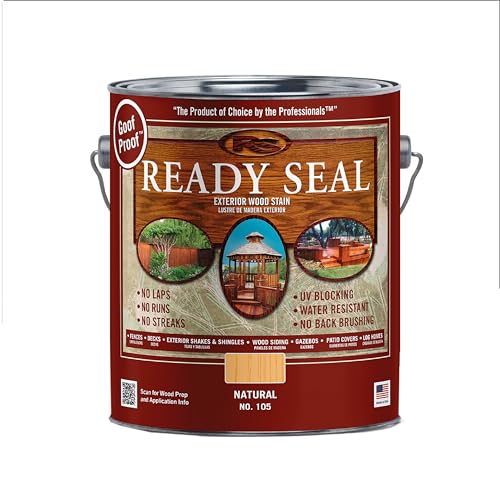


Repairing Damaged Layers on Classic Pieces
Begin with a careful assessment of the affected area to determine the size and depth of the damage. If the loss is superficial, using a wood filler matching the original finish can work wonders. Apply the filler smoothly with a putty knife and allow it to cure according to the manufacturer’s instructions.
Once dry, sand the surface lightly to ensure it’s flush with the surrounding area. Use progressively finer grits, starting with a medium grade and finishing with a fine grit for a seamless blend. Be cautious to avoid sanding the surrounding finish.
The next step involves color matching. Combine stains to replicate the original hue ifrequired. Test the mixed color on an inconspicuous area or a scrap piece before applying it directly to the filled section. This approach reduces the risk of an unsightly mismatch.
Using a small brush or cotton swab, carefully apply the stain to the repaired section. Allow it to absorb before wiping off any excess. Repeat this process until the desired shade is achieved.
To restore the shine, gently apply a suitable topcoat over the repair. A acrylic or polyurethane finish can provide durability. Use a small brush for precision and be sure to follow the manufacturer’s guidelines for drying times.
Reusable touch-up markers designed for wood can also be helpful for small scratches or areas needing minor touch-ups. They come in various colors and can help maintain the overall appearance without extensive repair work.
| Tools Required | Materials Needed |
|---|---|
| Putty knife | Wood filler |
| Fine-grit sandpaper | Wood stain |
| Brush | Finish/topcoat |
| Cotton swabs | Touch-up markers |
Regular upkeep and attention to minor imperfections can extend the life of your cherished pieces, ensuring they remain a timeless part of your collection.
Identifying the Type of Veneer Damage
First, assess whether the surface layer is lifting, scratched, or missing entirely. Each type requires different attention. If the veneer is peeling, check how far it extends and see if the underlying layer is intact. In cases of scratches, scrutinize the depth; minor surface scratches may be addressed easily, while deeper gouges could necessitate additional steps.
Next, determine if the color has faded or if there are burn marks. Discoloration often indicates exposure to sunlight or harsh cleaning agents. For burns, inspect the area for texture changes, as the affected spots may require more intensive restoration methods.
Check for cracks that can range from small fissures to larger splits. Identifying the size will help indicate whether a simple adhesive might suffice or if more extensive consolidation efforts will be needed. Examine the edges for flaking, as this can compromise the structure and aesthetics.
Lastly, look for signs of moisture damage, such as warping or bubbling, which could indicate underlying issues. This may necessitate a drying process before any treatment. Each type of damage requires a tailored approach, so understanding these specifics will enhance the effectiveness of any restoration project.
Gathering Necessary Repair Materials
I recommend acquiring a few specific items before tackling the refurbishment task. First, select a high-quality wood glue or adhesive designed for fine woodworking. It sets strongly while allowing for some flexibility.
Next, ensure you have a putty knife or a small, flexible scraper to apply and level the adhesive effectively. These tools help control the amount of glue used and facilitate a smooth finish.
A sharp utility knife or blade is vital for trimming any excess material precisely. Additionally, a fine-grit sandpaper will assist in smoothing out any rough edges after the glue dries.
Consider using a wood filler that matches the existing surface tones. This filler can blend imperfections seamlessly and enhance the aesthetic once the repair is complete.
If applicable, gather a matching stain or finish to restore the original color and sheen. Remember to test it on a hidden area first to achieve a perfect match.
Lastly, a soft cloth will help in polishing the surface post-repair and ensuring a clean look. With these materials on hand, the upcoming refurbishment project will be much more manageable.
Preparing the Chipped Area for Repair
First, I ensure the damaged section is clean and free of dust or debris. I gently wipe the area with a soft, dry cloth to eliminate any particles that could interfere with the bonding process.
Next, I examine the edges of the damaged surface. If there are rough or jagged edges, I carefully sand them using a fine-grit sandpaper. This creates a smooth surface and allows the adhesive to spread evenly. I apply light pressure to avoid removing more material than necessary.
If there are any loose fragments around the damaged area, I use wood glue to reattach them. I carefully apply a small amount of adhesive to the edges, press them together, and hold them in place until secure. Using clamps or weights can help maintain pressure while the glue sets.
Once the area is prepared, I allow it to dry completely before proceeding to the next steps in the restoration process. This ensures a strong bond and a solid foundation for further touch-ups.
Applying Veneer Glue and Clamping Techniques
I choose a high-quality wood adhesive suitable for laminate work, preferably one that dries clear. I apply a thin, even layer of glue to both the damaged area and the interface of the patched veneer piece if applicable. It’s important not to overuse the adhesive, as excess can seep out and mar the finish.
Clamping Process
For clamping, I use adjustable clamps or a caul made from a flat piece of wood. This ensures even pressure across the surface. I position the clamp gently but firmly, making sure that it does not shift the veneer during the process. It’s vital to monitor the alignment while tightening; a natural fall-out of the surface can occur otherwise.
Drying Time and Final Inspection
I allow the adhesive to set as per the manufacturer’s instructions; this usually involves letting the clamp remain in place for at least an hour, sometimes longer in humid conditions. After removal, I check the seam closely. If necessary, I can lightly sand the edges for a seamless finish, but care is taken not to damage the surrounding areas.
Finishing the Repaired Area for Seamless Appearance
To achieve a seamless look after completing the fix, I focus on matching the finish around the mended section. This procedure typically involves a few key steps.
- Sanding the Repaired Spot: I gently sand the area using fine-grit sandpaper, ensuring a smooth transition between the patch and the rest of the surface. Care is taken to avoid damaging the surrounding finish.
- Applying Stain or Paint: I select a stain or paint that closely resembles the original finish. Using a fine brush, I apply a thin layer to the patched area, blending it into the undamaged sections. I allow adequate drying time for each coat.
- Sealing the Finish: After the stain has dried, I apply a clear sealant to protect the work done and to unify the sheen across the surface. I use a small brush or a cloth to ensure an even application.
- Buffing for Luster: Once the sealant is dry, I buff the area gently using a soft cloth to enhance the shine, making sure it harmonizes with the surrounding finish.
Inspecting the final appearance ensures continuity, and if needed, I repeat the staining or sealing process until the desired effect is achieved. This meticulous approach guarantees that the repair effectively blends into the overall aesthetic of the piece.
Preventative Measures to Avoid Future Damage
Maintain a stable environment. Fluctuating humidity levels can cause warping or splitting. Aim for a relative humidity between 40% and 60% in the indoor space.
Utilize coasters and placemats. Protect surfaces from moisture and heat by placing coasters under drinks and placemats under hot dishes.
Regular dusting is crucial. Use a microfiber cloth to gently wipe away dust and debris, ensuring that particles do not scratch the surface.
Apply a suitable polish. A high-quality furniture polish not only enhances the appearance but also provides a protective layer against minor scratches and stains.
Elevate the piece to avoid contact with the floor. Using felt pads under legs prevents scratches and damage from moisture or dirt accumulation.
Keep away from direct sunlight. Prolonged exposure can fade finishes and weaken materials. Use curtains or blinds to control light exposure during peak hours.
Store items properly. Avoid overcrowding shelves and drawers to minimize pressure on weaker areas. Consider using dividers to keep items organized and secure.
Handle with care. Always lift instead of dragging to prevent stress on joints and surfaces. Enlist help for larger or bulkier objects to avoid accidents.
Conduct regular inspections. Periodically assess for signs of wear or damage, addressing issues promptly to prevent worsening conditions.


