Caleb Turner
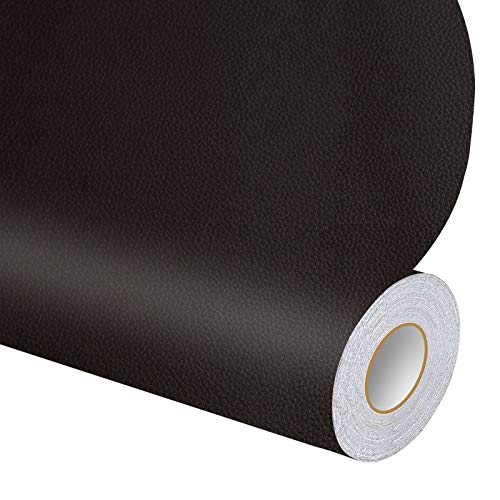
If you notice scratches or scuffs on your composite hide seating, consider using a color-matching repair kit specifically designed for synthetic skins. Begin by cleaning the surface with a damp cloth to remove any debris or dirt, ensuring a smooth application process.
Once the area is clean, carefully apply the color-matching compound using a small spatula or your finger. This allows for a precise application, which is crucial for achieving an invisible repair. After the compound dries, buff the area lightly with a microfiber cloth to blend it with the surrounding material.
For deeper tears, a patching technique will be necessary. Cut a piece of fabric or synthetic material that closely matches your seating and secure it from behind the damaged area with fabric adhesive. Then, apply the repair compound over the patch, smoothing it out to make it appear seamless.
Restoring Upholstered Surfaces
Begin by identifying the damage; common issues include scratches, scuffs, and peeling. For minor scratches, a color-matching repair marker can be applied to blend the affected area. It’s effective to use a soft cloth to buff the area after applying the marker for a smoother transition.


Filling Deeper Scratches
If the scratches are deeper, consider using a filler, specifically designed for upholstered finishes. Follow these steps:
- Clean the area thoroughly with a damp cloth and mild soap to remove any dirt.
- Apply the filler with a small spatula, ensuring it fills the damaged section completely.
- Let it dry as per the product instructions, then sand lightly to ensure a smooth surface.
- Color the filled area with a tint that matches your original color.
- Finish with a sealer to protect the repair and enhance durability.
Addressing Peeling Edges
For peeling sections, use contact adhesive for a secure hold. Here’s how:
- Lift the peeling material gently and clean the underlying surface.
- Apply adhesive evenly both on the peeled edge and the underlying area.
- Press the material back into place and hold it firmly until the adhesive sets.
- For best results, place a heavy object on top while it dries to maintain pressure.
Once all repairs are complete, keep the surface clean and periodically condition it with appropriate products to maintain its look and longevity.
Identifying Common Damages in Bonded Leather
To effectively address issues with synthetic upholstery, I first assess the type of damage present. Common problems include peeling, cracking, fading, and stains. Misidentifying these can lead to inadequate solutions.
Types of Damage
- Peeling: Look for areas where the top layer is coming off, exposing the underlying material.
- Cracking: Observe for visible fissures, especially in areas that experience frequent movement or flexing.
- Fading: Notice any discoloration, particularly from direct sunlight or harsh cleaning agents.
- Stains: Identify spots that may have absorbed substances, leaving marks or discoloration.
Assessment Techniques
- Run your fingers over the surface. Listen for any rough textures indicating peeling or cracking.
- Examine under good lighting to spot faded areas and color inconsistencies.
- Use a damp cloth to test for stains–this can help determine if they are removable or permanent.
Recognizing these issues early prevents further deterioration and ensures more successful restoration efforts. By understanding these common damages, I can proceed with the right techniques and materials to enhance appearance and longevity.
Gathering Necessary Repair Materials and Tools
For successful restoration of your damaged seating, gather a few critical items. First, invest in a high-quality repair kit specifically designed for synthetic upholstery. This kit typically includes adhesive, filler, and colorant to match the original hue of your item.
Consider adding some sandpaper in various grits to prepare surfaces for adhesion. A pair of scissors should be on hand to trim any loose or frayed material. Additionally, a spatula or small knife can assist with applying filler smoothly.
For best results, bring together several cleaning cloths to ensure surfaces are free of debris prior to starting. A small bucket or container may be needed for mixing or holding materials during the process. For applying color, using a soft brush or sponge can yield a more uniform finish.
Lastly, protective gloves are advisable to keep your hands clean while handling various substances. With these essentials gathered, I’m ready to address any imperfections and rejuvenate my pieces.
Cleaning Bonded Leather Before Repairs
To clean synthetic hide prior to any restoration activity, I begin by gathering a few basic supplies: a soft cloth, mild soap, water, and a spray bottle. I mix warm water with a small amount of the soap in the bottle to create a gentle cleaning solution.
Next, I lightly dampen the cloth with the soapy mixture, ensuring it’s not dripping wet. I gently wipe the surface to remove any dirt or stains, paying attention to crevices and seams. It’s crucial to avoid soaking the material, as excessive moisture can lead to further damage.
Drying Technique
After cleaning, I use a dry, soft cloth to absorb excess moisture and gently buff the surface. This step helps to prevent water spots and maintain the texture.
Final Touch
Once the area is dry, I allow it to air dry completely before proceeding with any touch-up work. Ensuring the surface is clean and dry will create a better bond for any patching or coating applied later, leading to a more successful refurbishment.
Minor Scratches and Scuffs: Quick Fixes
If I notice minor marks on my upholstery, I often turn to a simple home remedy. Mixing equal parts of white vinegar and olive oil creates an effective solution that helps conceal small imperfections. I apply this mixture with a soft cloth, gently rubbing it into the scuffed area. This not only helps mask the damage but also nourishes the surface, maintaining its integrity.
An alternative quick fix involves using a black marker or crayon for darker shades. I carefully color in the scratch, ensuring to match the tone closely. This method is transient but can effectively disguise the scratch until a more permanent solution is pursued.
For lighter colors, I find that a dab of tinted shoe polish works wonders. I apply a small amount directly to the scratch and buff it with a cloth to blend it in seamlessly. This method allows me to extend the life of the item while keeping it visually appealing.
Sometimes, using a fabric conditioner can help. I dampen a cloth with the conditioner and gently rub it on the area, which can help soften the look of the scratch and restore some luster.
For deeper scratches, I prepare a fine grain sandpaper to smooth the edges carefully, then follow up with a touch of a matching color correction pen. This process requires a delicate hand to avoid causing further damage.
These techniques are quick fixes that have served me well, offering immediate visual improvement while I consider more comprehensive restoration methods.
Repairing Tears and Rips in Bonded Leather
To address tears or rips, the most critical step involves estimating the size and severity of the damage. For small tears, adhesive specifically designed for the surface might suffice, while larger rips may need a patching approach. I recommend gathering a leather repair kit that usually comes with adhesives, patches, and color matching agents.
Steps for Minor Tears
1. Clean the area around the tear with a soft cloth to remove any debris.
2. Apply a suitable adhesive to both edges of the tear, gently pressing them together. Hold for a few seconds to ensure a firm bond.
3. Once dried, use a color matching agent to blend the area with the surrounding material.
Handling Larger Rips
1. Trim any loose or jagged edges to create a clean surface for the patch.
2. Cut a piece of fabric or faux leather slightly larger than the rip to serve as a patch.
3. Adhere the patch over the damage, ensuring that it is smooth and well-aligned. Use clamps or weights if necessary to keep it in position while drying.
4. After the adhesive cures, apply a matching color coat to blend the patch with the rest of the surface.
| Damage Type | Recommended Solution |
|---|---|
| Small Tear | Use adhesive to bond edges together |
| Major Rip | Patch with fabric and adhesive |
For optimal results, I advise allowing sufficient time for all adhesives and colors to cure completely before using the item again. This will ensure longevity and maintain the aesthetic appeal of the surface.
Color Touch-Up Techniques for Discoloration
To tackle discoloration, I often begin with a color matching process. Using color matching wipes or swatches helps me identify the closest shade to the affected area. Once I have the correct color, I prepare a small amount of acrylic paint or leather dye for application.
Next, I use a fine brush or cotton swab to apply the chosen color precisely over the discolored spot. It’s essential to use light, even strokes to avoid creating a noticeable patch. I allow it to dry completely, then assess the results. If necessary, I add a second coat for better coverage.
Blending Techniques
For seamless integration, I utilize a damp sponge to gently dab around the edges of the applied color. This softens any harsh lines and blends the repair into the surrounding material. I often finish with a leather conditioner to enhance the overall texture and appearance.
Sealing the Repair
Finally, I apply a clear sealant or finisher specifically designed for synthetic upholstery. This step not only locks in the color but also protects against future fading or discoloration. Regular maintenance checks are crucial to ensure the longevity of the finish.
Applying Protective Coatings After Repair
After completing the necessary touch-ups on your upholstered seating, applying a protective layer is critical for preserving the finish. This step minimizes future damage from spills, stains, and everyday wear. A high-quality protector can significantly prolong the lifespan of your seating.
Types of Protective Coatings
Several options are available, each with distinct benefits:
| Type | Description | Usage |
|---|---|---|
| Spray Protectants | Form a waterproof barrier; ideal for sealing surfaces. | Apply evenly and allow to dry for the best results. |
| Wipes | Convenient and easy to apply, perfect for quick maintenance. | Regularly use to maintain the protective layer. |
| Liquid Coatings | Provide a thicker protective layer but require more effort to apply. | Follow the manufacturer’s instructions for proper application. |
Application Process
1. Ensure the surface is clean and fully dried. Any leftover moisture can hinder adhesion.
2. Test the product on a small, inconspicuous area to check for compatibility.
3. Apply the chosen protectant in light, even coats, allowing each layer to dry completely before adding another.
4. Follow specific drying times stated by the manufacturer for optimal results.
5. Reapply regularly, especially in high-use areas, to maintain durability.
Implementing a protective coating after the restoration process guarantees enhanced resilience, ensuring your pieces remain in pristine condition for years to come.
Maintenance Tips to Prolong Bonded Leather Life
Regular cleaning is paramount. I use a soft, damp cloth to wipe surfaces weekly, removing dust and dirt that can cause wear over time. Avoid harsh chemicals; a mild soap and water solution works well.
I apply a protective conditioner every three to six months. This product restores suppleness and prevents cracking. It’s best to test any conditioner on a small area first.
Direct sunlight can lead to fading. I position items away from windows and use curtains or blinds, mitigating UV exposure.
For spills, I act swiftly, blotting gently with a cloth rather than rubbing, which can worsen stains. Once dry, I might follow up with a suitable cleaning solution if necessary.
I examine seams and edges regularly for signs of wear. Addressing issues early helps maintain integrity and appearance. If I spot fraying, I apply a bit of fabric glue to secure loose threads.
Creating a designated area for items that could cause damage, like sharp objects or heavy bags, is a smart idea. This keeps surfaces intact and looking their best.
During seasonal changes, I store items in a climate-controlled environment if possible. Avoiding extreme temperature fluctuations contributes to longevity.
Using coasters or placemats for drinks and food protects surfaces from moisture and heat, minimizing risk to finish.