
 Caleb Turner

For optimal grip and longevity, ensure clean surfaces by opting for a natural cleaner. Mix equal parts of white vinegar and water in a spray bottle. Spray the solution onto the treated area, allowing it to sit for a few moments to penetrate deeply into the buildup.
After the solution has settled, use a soft cloth or sponge to gently wipe away the residue. Avoid abrasive materials, as they can damage the underlying finish. Instead, a microfiber cloth works wonders in capturing particles without scratching.
If stubborn patches remain, try a gentle heat application. A hairdryer set to low heat can soften the residue further, allowing for easier removal. Keep the hairdryer at a distance to avoid overheating the surface.
To finish, rinse the area with a damp cloth to eliminate any cleaning solution and allow the surface to dry thoroughly. This preparation sets a solid foundation for an impressive makeover.
Understanding Wax and Its Impact on Painting
Applying a fresh coat on surfaces coated with a certain finish poses challenges. This substance creates a barrier that obstructs adhesion of new paints. As it dries, it hardens and results in a smooth, glossy surface, which affects the ability of paint to grip effectively. Skipping surface preparation can lead to flaking or peeling, reducing the longevity and appearance of the final finish.
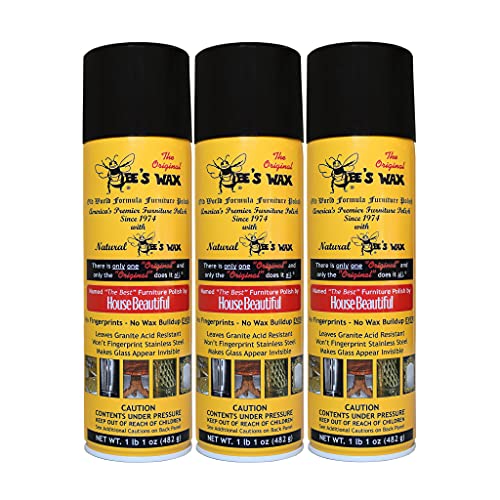


Composition and Properties
This finishing agent is often composed of natural or synthetic materials, which initially protect and enhance wood’s aesthetic appeal. However, its hydrophobic nature repels moisture, which can be beneficial but detrimental at painting time. Understanding its chemical makeup helps in selecting the right solvent to break down this barrier without aggressive techniques.
Impact on Paint Adhesion
Before starting a coloring project, ensuring a clean base is vital. Contamination from this residue can lead to issues like poor adhesion, uneven coverage, and subsequent wear. Even after application, the presence of this coating may attract dirt and hindrances, tarnishing the finished look. Hence, addressing any remnants thoroughly is crucial for achieving a smooth, durable layer of paint.
Identifying Wax on Furniture Surfaces
To determine the presence of a surface coating, a simple test suffices: apply a small drop of water on the area. If the water beads up, a protective layer is likely present. Conversely, if the drop soaks in, it may indicate a bare or prepared surface.
Visual and Tactile Cues
Inspect for a glossy sheen or a slick texture, which could signify an application of a finishing product. Running your fingers over the surface can help discern a waxy residue. If it feels greasy or overly smooth, this may point to the presence of a product that inhibits adhesion.
Smell Test
Another method involves odor detection. Certain finishes emit a distinctive fragrance. Getting close to the surface may reveal a faint scent resembling furniture polish, which is a clear indicator that a product has been applied.
Pay attention to how the finish interacts with light; a reflective surface often suggests a wax coating. In contrast, a matte or dulled area typically signals that the underlying material is more porous and less treated.
Combining these techniques provides a thorough approach to identify unwanted layers hindering the next steps in restoration or redecorating projects.
Choosing the Right Solvent for Wax Removal
In my experience, selecting the proper solvent is critical for effective eradication of that stubborn build-up. Here are some recommended options:
- Mineral Spirits: A versatile solvent that is great for dissolving residues. It evaporates quickly and will not damage most finishes. Apply it sparingly using a clean cloth.
- Natural Citrus Solvent: This eco-friendly alternative is derived from orange peels and works well on various surfaces. It has a pleasant scent and is less harsh than chemical solvents.
- Denatured Alcohol: Effective for quick penetration, this option can cut through layers without much effort. It’s advisable to do a patch test, as it may affect some finishes.
To determine which to use, a small spot test is recommended to ensure compatibility with the surface. Additionally, be mindful of ventilation while using these substances. I always keep a fan on and wear a mask to avoid inhaling fumes.
After applying the chosen solvent, using a soft cloth helps in lifting the residue gently. Working in small sections is effective to control the process better and ensure thorough coverage.
By selecting the right agent, I’ve found that tackling this task becomes more manageable and less prone to surface damage. Properly evaluating my options made all the difference in the outcome of my projects.
Preparing your workspace for wax removal
Clear the area: I ensure my workspace is free of clutter to prevent accidents and allow easy access to all necessary tools.
Protect surfaces: Laying down drop cloths or old newspapers keeps the floor safe from spills and chemicals, minimizing cleanup afterwards.
Ventilation: I open windows or use fans to promote airflow, crucial when working with solvents to avoid inhaling fumes.
Gather tools: I prepare everything I need: cloths, brushes, a suitable solvent, and gloves. Having everything on hand prevents interruptions during the process.
Wear protective gear: Donning gloves and a mask protects my skin and respiratory system from harmful substances during the task.
Prepare a disposal plan: I set aside a dedicated container for used materials to ensure safe and responsible disposal after treatment.
Step-by-step guide to applying the solvent
First, I gather all necessary materials: a suitable solvent, clean cloths, a small container, and protective gloves. This ensures everything is at hand for an efficient process.
I begin by pouring a small amount of the chosen solvent into the container. It’s important not to saturate the cloth; I aim for a damp, not wet, application to prevent excessive liquid from soaking into the surface.
Next, I test the solvent on a hidden area to confirm compatibility with the finish. This step allows me to check for any adverse reactions and make adjustments if needed.
Once I’m satisfied, I gently rub the damp cloth onto the affected area, moving in the direction of the grain. This technique aids in lifting residues effectively while minimizing damage to the underlying material.
After a few minutes, I pause to check my progress, ensuring I don’t overwork any single spot. If residues remain, I apply a bit more solvent and repeat the gentle rubbing motion.
Once I notice that the surface is clearer, I switch to a clean, dry cloth to wipe away any dissolved particles and remaining moisture. This step is crucial for preparing the surface for the next phase of my project.
As a final touch, I allow the area to air dry completely, ensuring there’s no lingering solvent that could interfere with subsequent finishes. This patience pays off when moving forward with my painting plans.
Removing Wax Residue After Solvent Application
After applying a suitable solvent, a clean, lint-free cloth is crucial for the next step. I wipe the surface gently but firmly, ensuring that the cloth picks up any lingering residue. It’s advisable to use a circular motion to avoid streaks and make sure every area is addressed.
For tougher spots, I may dampen a separate section of the cloth with the solvent again and focus on the specific area, allowing it to sit briefly before wiping. This technique helps to lift stubborn remains without excessive pressure that could harm the finish.
A second clean cloth is beneficial for final touches. I use it to go over the surface again, ensuring all particles and solvent traces are eliminated. This step is essential to prepare for the next coating.
Once wiped thoroughly, I let the surface dry completely before proceeding with any painting or finishing. Patience pays off here, as any moisture can lead to adhesion issues later on.
Testing the Surface for Paint Readiness
I recommend using a simple water test to gauge the surface’s preparedness for coating application. Take a small amount of water and apply it directly onto the surface. Observe how the liquid interacts with the material.
- If the water beads up and does not soak in, this indicates a barrier remains, possibly hindering adhesion.
- If the water absorbs quickly, the surface is likely ready for the next phase without further treatment.
Another effective approach involves using a piece of tape. Affix a strip firmly to the surface and then peel it off. Check for any residue that may come away. The absence of debris signifies a potentially suitable area for paint application.
Additionally, I suggest visual inspection under bright light to identify any lingering spots that may still hold some barrier. Look for sheen or discoloration, which may signal where the old finish persists.
For a thorough evaluation, consider using a fine-grit sandpaper on a small, inconspicuous area. Lightly rubbing the surface should produce dust if all coatings are appropriately lifted. No dust indicates further treatment may be necessary.
These methods allow for a practical assessment, ensuring a successful application of your chosen coating.
Alternative methods for wax removal without chemicals
Employing natural solutions effectively aids in eradicating unwanted coatings while preserving the integrity of surfaces. One noteworthy method involves the use of vinegar. Diluted in water, it can penetrate and loosen accumulated residues. Mix equal parts white vinegar and water, apply with a soft cloth, and gently rub the area. Rinse with clean water afterward.
Using Heat
Utilizing a warm environment or heat gun can assist in softening layers for easier lifting. Keep the heat source about 6 inches away to avoid damage. As the surface warms, employ a soft cloth to wipe away loosened material.
Natural Oils
Mineral oil or olive oil can also facilitate the process without harsh substances. Apply a small amount on a cloth and massage it into the area, allowing it to soak in for a few minutes. This technique nourishes the wood while breaking down residues.
| Method | Materials Needed | Instructions |
|---|---|---|
| Warm Water and Vinegar | White vinegar, water, cloth | Mix, apply, rub gently, and rinse. |
| Heat Application | Heat gun or hair dryer, cloth | Warm surface, wipe with cloth. |
| Natural Oils | Mineral oil or olive oil, cloth | Apply oil, massage, and wipe away. |
Implementing these alternatives not only helps in maintaining surface quality but also promotes a healthier approach to home improvement tasks. Test in a small area first to ensure compatibility.


