Caleb Turner

Begin by employing a heat gun to soften the adhesive binding the surface layer to the base material. Keep the heat source at a safe distance to avoid damage. As the glue loosens, use a putty knife or chisel to gently pry up the layer, applying minimal force to prevent splitting the underlying wood.
For stubborn sections, consider applying a solvent specifically designed to dissolve adhesive substances. Apply it liberally and allow it to penetrate for several minutes. Scrape the area again with your tool of choice, and be patient; this method may require repeated applications to fully clear the surface.
Be prepared to sand the remaining residue with fine-grit sandpaper after the top layer is removed. This ensures a smooth finish and readies the item for refinishing. Remember to wear a dust mask and work in a well-ventilated space to maintain safety during the process.
Guidelines for Removing a Layer from Your Piece
Begin by applying heat with a clothing iron set to a low temperature. Place a damp cloth over the surface and gently glide the iron across it. The steam will soften the adhesive, making it easier to peel back the top layer. Be cautious not to overheat, as this can damage the underlying wood.
Tools Required
| Tool | Purpose |
|---|---|
| Clothing Iron | Generates heat to soften adhesive |
| Damp Cloth | Prevents direct contact of heat with the material |
| Plastic Scraper | Helps lift the layer without causing damage |
| Wood Glue Remover | Assists in eliminating any remaining adhesive |
Step-by-Step Technique
After softening the adhesive, use the plastic scraper to lift a corner carefully. Slowly pull it back to avoid ripping. If resistance occurs, reapply heat and try again. Once the top layer is fully lifted, apply a wood glue remover to any residue left behind and wipe clean. Allow the surface to dry completely before proceeding with any refinishing or staining.


Assessing the Type of Veneer
I always begin with a thorough inspection of the surface in question. Identifying the material leading to a successful stripping process is crucial. Thin layers like plywood often have a different approach compared to solid wood interfaces. Check for any visible seams or edges where two pieces meet; this could indicate a ply construction in contrast to a single sheet.
Determining Material Composition
Next, I assess the texture and grain pattern. Natural wood usually shows distinctive variability, while synthetic options may appear uniform. If I suspect the layer is laminate, I test its rigidity with a small tool to observe its resistance to scraping. Laminate tends to be harder and less forgiving than wooden counterparts.
Professional Techniques for Identification
If uncertainty continues, I consider utilizing solvents or adhesives on an inconspicuous section. Natural substrates typically react more favorably than synthetic. A drop of water can also provide clarity; watch for absorption characteristics–real wood will soak it up, while artificial types will repel it.
Gathering Necessary Tools and Materials
To prepare for the task, I ensure I have the following items ready:
- Screwdriver: Essential for removing any hardware that might obstruct my progress.
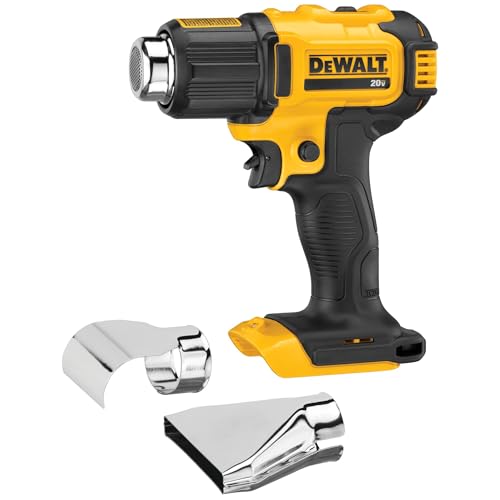
- Heat gun or iron: I use this to soften adhesives, making the process smoother.
- Putty knife: Ideal for gently lifting the surface layer, helping to avoid damage to the underlying wood.
- Scraper: A flat scraper can assist in prying off stubborn sections without excessive force.
- Plastic sheeting: I protect surrounding areas from heat and debris with plastic sheets.
- Adhesive remover: Useful for areas where glue remains after the initial peeling, ensuring a thorough clean-up.
- Cloth and sponge: I keep these handy for cleaning up any residue and spills during the process.
- Dust mask and gloves: Personal protective equipment helps maintain safety and hygiene.
Once I gather these items, I feel equipped to tackle the project with confidence.
Preparing the Workspace for Removal
I always ensure my workspace is clean and well-organized. This not only promotes safety but also increases efficiency. Begin by clearing the area of any unnecessary items that might become obstacles or hazards during the task.
Next, I recommend choosing a suitable surface for the project. A sturdy table or workbench at a comfortable height can make a significant difference. This minimizes strain and allows for better control over the tools.
Proper lighting is another key element. I either work near a well-lit window or use portable lighting to illuminate the space fully. This helps to see details clearly and avoid mishaps.
Grounding yourself through comfort is important. I wear gloves to protect my hands, and I sometimes put on a dust mask, especially if I’m working with adhesives or sanding materials. Safety goggles are essential as well, protecting my eyes from dust and debris.
Organizing my tools and supplies close at hand saves time and prevents unnecessary movements during the process. I lay out everything needed, like scrapers, heat guns, or solvents, within reach to maintain focus without interruptions.
I also make sure to have a drop cloth or newspaper beneath the project. This not only protects the surface below but also enables easy cleanup afterward.
Finally, I take a moment to communicate my plans with anyone nearby to prevent distractions and to help keep the space safe for everyone involved.
Applying Heat to Loosen the Veneer
I utilize a heat gun or iron set to low heat to soften the adhesive beneath the top layer. Holding the heat source about 2-3 inches above the surface, I evenly heat small sections at a time, usually no larger than a square foot. This careful approach prevents damage to the underlying material.
Technique with a Heat Gun
With a heat gun, I maintain constant movement to avoid scorching the wood. Once the area feels warm, I gently test the edge of the covering with a putty knife. If it lifts easily, I continue to peel back, applying heat as necessary. I ensure not to overheat, as this can cause bubbling or discoloration.
Using an Iron for Delicate Surfaces
If the surface is extremely delicate or I want to avoid any potential burn marks, I opt for an iron. I place a cloth between the iron and the surface to diffuse the heat. This method allows me to control the temperature more effectively while safely softening the adhesive underneath.
Using Chemicals to Dissolve Adhesive
Choose a chemical adhesive remover that is specifically meant for woodworking projects. Look for products containing methylene chloride or acetone, as these solvents effectively break down most types of glues used in bonding decorative surfaces. Always check the manufacturer’s recommendations for compatibility with the underlying material.
Before proceeding, wear gloves and a mask to protect against fumes and skin contact. Apply the selected solvent generously to the joint between the layered surfaces, using a brush or cloth. Allow the solution to sit for the time specified on the product’s label; typically, this ranges from 10 to 30 minutes. Monitor the area closely during this time.
Testing the Solver
After the allotted time, test a small section using a putty knife or scraper to see if the bond has weakened. If the layers begin to separate easily, continue working along the edges with the tool. If resistance persists, apply additional solvent and wait longer.
Cleaning Up
Once the materials are adequately separated, clean the surface with a cloth soaked in denatured alcohol or a suitable cleaner to remove any chemical residue. Ensure the area is well-ventilated throughout the process to mitigate any health risks from inhalation.
Following these steps will help in effectively loosening the bonded surfaces without causing damage to the structure beneath.
Employing Mechanical Methods for Removal
To detach the surface layer of wood, consider using a chisel or putty knife for precision. Start at a corner where the adhesive may be weaker. Position the blade at a shallow angle and gently tap it with a hammer to avoid damaging the underlying structure. Gradually work your way across the area, applying minimal force.
Using a Scraper for Large Areas
A hand scraper serves well for larger sections. Choose one with a sharp edge and hold it at a 30-degree angle, applying consistent pressure. This method effectively peels away the thin covering without excessive effort, ensuring the base remains intact.
Power Tools for Stubborn Sections
If the traditional techniques fail, power sanders or oscillating tools can assist greatly. Select a medium-grit sandpaper to avoid excessive abrasion. Move the tool gently across the surface, and check frequently to ensure you aren’t compromising the wood beneath. Always wear safety goggles to protect your eyes from debris.
Inspecting For Damage After Veneer Removal
Upon completing the extraction of the surface layer, thoroughly inspect the underlying substrate for any imperfections or potential issues. Begin by examining the surface for dents, scratches, or water damage. Pay attention to changes in texture; any rough spots may indicate further sanding or treatment is necessary.
Key Areas to Check
| Area | What to Look For |
|---|---|
| Edges | Chips, splits, or unevenness. |
| Surface | Visible gouges, discoloration, or warp. |
| Joints | Separation or looseness indicating structural concerns. |
| Bottom | Mold, rot, or insect damage not visible previously. |
If any damage is detected, I address it immediately to prevent further deterioration. For minor scratches, I often use wood filler or sanding to even out the surface. In cases of more extensive damage, replacing the affected section may be prudent. Continuous monitoring after treatment ensures that any emerging issues can be promptly resolved.
Repairing the Underlying Surface
After completing the extraction of the top layer, I focus on assessing and fixing the surface beneath. This process is critical for maintaining the integrity and aesthetic appeal of the piece.
First, I examine the wood for any gouges or scratches that may need filling. For minor imperfections, wood filler works effectively. I apply the filler with a putty knife, ensuring it fills the gaps thoroughly. Once it dries, I sand the area smooth until it is flush with the surrounding wood.
For deeper damage, I consider using an epoxy resin. I mix it according to the manufacturer’s instructions, then apply it to the affected areas, shaping it as needed. After it cures, sanding will help achieve a seamless finish.
In cases where the surface has significant water damage, replacing the damaged section of wood might be necessary. I measure and cut a matching piece of wood, then adhere it securely using wood glue.
Once repairs are complete, I proceed to sand the entire surface to ensure uniformity. The goal is to achieve a consistent, smooth finish that is ready for refinishing.
Finally, I clean the surface with a tack cloth to remove any dust particles, setting the stage for either staining or sealing. This meticulous process ensures the final result looks professional and polished.
Finishing the Furniture After Veneer Removal
I ensure proper sanding of the exposed surface to eliminate any glue residue or imperfections. Begin with coarse-grit sandpaper, gradually progressing to finer grits for a smooth finish. This step is vital for preparing the wood for any subsequent treatment.
Applying a wood conditioner helps in achieving an even stain application. This pre-stain treatment penetrates the surface and allows for better stain absorption, particularly beneficial on bare wood.
I opt for high-quality stains that fit the desired aesthetic. Testing the stain on a small, inconspicuous area guarantees that the color matches expectations before applying it broadly.
After the stain dries, I apply a protective finish, like polyurethane or varnish. A minimum of two coats ensures durability and resilience against wear. I also sand lightly between coats to enhance adhesion and achieve an even surface.
Lastly, I allow the finish to cure fully before using the piece, ensuring that I protect my hard work and maintain the new appearance long-term.