
 Caleb Turner
If you’re looking to clear out items that clutter your space, consider starting with local donation centers. Many organizations welcome second-hand goods and make the process straightforward. Research nearby charities that align with your values, as they often provide pickup services, reducing your workload.
Online marketplaces present an excellent opportunity for dealing with excess belongings. Platforms like Craigslist or Facebook Marketplace allow for quick sales or giveaways. Posting clear images and detailed descriptions helps attract potential buyers or takers while freeing up your space efficiently.
Recycling is another sustainable option for items that can no longer serve their purpose. Identify local facilities that accept discarded materials, such as wood or metal. This not only helps in decluttering but also supports eco-friendly practices in your community.
When needing items gone swiftly, consider hiring a junk removal service. They specialize in efficient clearance and can handle large, heavy pieces with ease. Be sure to compare quotes and check reviews to find a reputable company in your area that matches your budget.


Guidelines for Disposing of Unwanted Items
Begin by assessing the piece in question. Determine if it can be donated, sold, or recycled. This evaluation influences the next steps you can take effectively.
Donation and Charity Options
- Research local charities or shelters; many accept second-hand items.
- Contact organizations to confirm their need for specific items.
- Schedule a pick-up, if available, to simplify your task.
Sale Opportunities
- Utilize online marketplaces like Facebook Marketplace or Craigslist.
- Organize a yard sale; advertise in your community or on social media.
- Consider consignment shops for high-quality pieces.
If disposal is necessary, consult your local waste management guidelines for bulk item pick-up services or landfill options. Adhere to regulations for hazardous materials if applicable.
Assessing What to Discard
I evaluate the utility of each piece by asking specific questions: Is it functional? Does it match my current aesthetic preferences? Has it become obsolete in my living space? I keep a checklist to identify priorities, ensuring that I’m not influenced by nostalgia.
I categorize each item into three groups: essentials, favorites, and surplus. Essentials are used daily and add value to my life. Favorites bring joy and showcase my personality. Surplus includes items that no longer serve a purpose or fit into my lifestyle. This methodical approach helps to create focus and clarity.
I also consider the space I have available. If an object makes a room feel cramped or cluttered, it’s a strong candidate for removal. Measuring the dimensions of each piece helps visualize the flow and functionality of my environment.
Lastly, I reflect on my emotional connection with the item. If it evokes negative feelings or memories, it should be reconsidered, regardless of its physical condition. This allows me to create a serene and positive atmosphere in my home.
Evaluating the Condition of Your Furniture
I thoroughly inspect each piece to determine its state. Check for visible signs of damage, including scratches, dents, or cracks. Pay attention to structural integrity; gently test the sturdiness of legs and joints. If a chair wobbles or a table tilts, that indicates potential failure.
Examine upholstery for stains, tears, or fading. Using a damp cloth, I clean a small area to see if the fabric holds up. If it doesn’t recover, replacement may be necessary. For wood surfaces, I assess the finish; peeling or chipping suggests it might need refinishing or replacement.
Are the hinges, drawer slides, and other hardware functional? I open and close all compartments to ensure smooth operation. Any sticking or malfunctioning parts usually require attention, which could influence my decision to keep or discard a piece.
Next, I consider how well each item fits into my current lifestyle. Sometimes, items don’t just wear out but also outlive their usefulness in my daily life. This assessment includes evaluating size, style, and compatibility with my current decor.
| Condition | Action Needed |
|---|---|
| Strong, no damage | Keep |
| Minor scratches | Refinish |
| Visible damage | Repair or replace |
| Outdated style | Consider donation or sale |
| Stains or tears | Upholstery cleaning or replacement |
Ultimately, this comprehensive evaluation helps me distinguish between items worth keeping and those that have served their time and should be let go.
Choosing the Right Removal Method
I recommend assessing each option based on convenience, cost, and sustainability. If I need to handle bulky items, enlisting professional services often streamlines the process. Companies specializing in this job offer efficient logistics and proper disposal. It’s worthwhile to research local providers and check reviews to ensure reliability.
If I prefer a more hands-on approach, consider donating or selling through platforms like Craigslist, Facebook Marketplace, or local charities. Not only does this help others, but it also reduces waste. Listing goods with clear descriptions and high-quality photos attracts potential buyers faster.
For items that are beyond repair, arranging a bulk pickup with local waste management is a practical choice. Scheduling this service makes disposal straightforward, ensuring compliance with local regulations on waste disposal.
I also recognize that recycling has its benefits. Many communities offer designated drop-off locations for recyclable materials. Checking with local recycling centers before proceeding can make a significant difference in minimizing landfill contributions.
Ultimately, each method has its advantages. By evaluating personal circumstances and preferences, I can select the most suitable strategy for clearing out my space. Balancing time, effort, and environmental responsibility helps in making a well-informed decision.
Preparing Furniture for Removal
Clearing out items first requires organizing what I need to transport. Assess and document everything to streamline the process and avoid oversights. Start with the following steps:
Disassembling Items
Break down larger pieces to make handling easier:
- Remove legs from tables and chairs.
- Take apart bed frames and shelves.
- Detach components like cushions from sofas.
Cleaning and Sorting
Prioritize cleanliness to facilitate handling:
- Wipe down surfaces to avoid dirt transfer during transport.
- Sort items into categories: keep, donate, recycle, or discard.
- Label boxes or piles clearly for effective organization.
Using protective materials can prevent damage during transit:
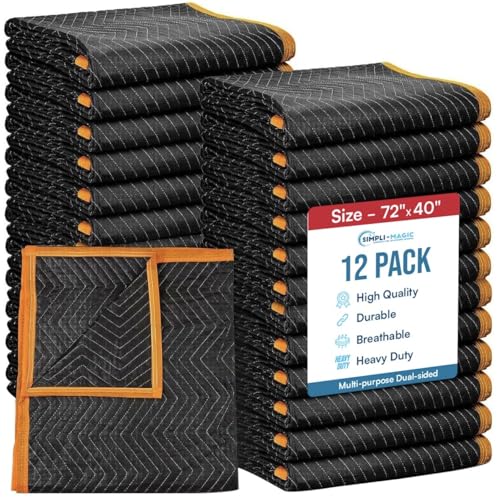
- Wrap delicate items with bubble wrap or blankets.
- Secure everything with straps or tape to ensure stability.
Consider hiring a vehicle suited for transport if necessary, especially for larger items. Ensuring everything is ready will significantly simplify the upcoming stages of transportation.
Finding Local Disposal Regulations
I recommend researching the specific disposal guidelines in your area before proceeding with enabling the transfer of bulky items. Local municipalities often establish unique regulations for disposing of larger pieces, which may include restrictions on timing, designated collection days, or permissible disposal methods.
Visit your city or county’s official website, as they typically have detailed information regarding bulk waste management services. Look for sections dedicated to public services or waste management, where you may find helpful resources.
Contact local waste management offices directly if the information online is unclear or insufficient. They can provide insight into specific requirements, including whether you need to schedule a pickup or if there’s a drop-off location available.
Be aware that some areas might charge fees for the removal of bulk items or have limitations on the types of materials they accept. It’s wise to familiarize yourself with accepted practices to avoid penalties or complications.
Check for any community initiatives or events focused on recycling or donation, which might allow for a more eco-friendly approach to handling larger possessions. Engaging with local charities can also provide recommendations for responsible disposal options.
Donating Furniture to Charities
Consider contacting local non-profit organizations that accept household goods. Research charities that align with your values or support causes you care about; they often welcome gently used items such as sofas, beds, and tables.
Verify if the charity provides free pickup services for larger pieces, which can simplify the transition. Confirm the types of items they accept and any restrictions or donation guidelines they may have.
Before donating, ensure your items are clean and in good repair. A quick cleaning and minor repairs can greatly increase the recipients’ willingness to accept your contributions.
Document your donations for tax purposes. Keep receipts or any forms provided by the charity to accurately reflect your contributions on your tax return.
Explore community groups or platforms like Facebook Marketplace and Nextdoor, where individuals may seek donations for local families or shelters. This can create a sense of community while benefitting those in need.
Hiring Professional Removal Services
Select a reputable service with experience in transporting and disposing of large items. It’s beneficial to research companies through reviews and recommendations before making a decision.
Request quotes from multiple providers to compare pricing and services offered. Make sure to ask about additional fees related to labor, transportation, and disposal methods.
Verify that the company has proper licenses and insurance. This safeguards against potential damages or liabilities during the moving process.
Schedule a consultation to discuss your specific needs. Professionals often assess the items on-site, providing tailored solutions that suit your requirements.
Check if the service offers eco-friendly disposal options. Supporting recycling and reusing initiatives helps minimize waste and benefits the environment.
Ensure clear communication regarding timelines. Confirm when the team will arrive and how long the process will take, as this helps in planning your day.
| Service Aspect | Considerations |
|---|---|
| Experience | Look for years in business, client testimonials. |
| Cost | Get multiple quotes, verify additional charges. |
| Licensing | Check for valid permits and insurance. |
| Consultation | Schedule a visit for tailored assessments. |
| Eco-Friendly Options | Inquire about recycling and donation services. |
| Communication | Confirm timelines and arrival times. |
Once you’ve selected a suitable service, clear out surrounding areas to ensure an efficient experience. Having pathways unobstructed allows for quicker loading and reduces the risk of damage to your property.
Considering DIY Removal Options
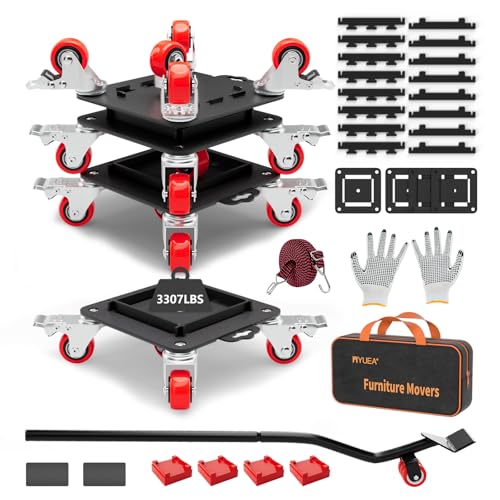
For tackling bulky items yourself, gather the necessary tools first: a screwdriver, a hammer, and a utility knife. Ensure you’re equipped with protective gear such as gloves and a mask to avoid injuries and dust inhalation.
Disassemble Items When Possible
Start by breaking down larger pieces; this makes transportation more manageable. Take apart beds, tables, and shelves methodically, labeling screws and parts in bags for easy reassembly if needed later.
Utilize Appropriate Transportation
If you own a vehicle, prepare it for hauling. Measure items to ensure they fit through doors and in the transport space. If you lack a suitable vehicle, consider renting a truck or asking friends with larger cars for help.


