Caleb Turner

If you notice unsightly residues on your beloved wooden pieces, it’s time to take action. Begin by preparing a mixture of equal parts warm water and white vinegar. Dampen a soft cloth with this solution, ensuring it’s not overly saturated. Gently wipe the affected areas to dissolve the accumulated layer.
Next, follow up with a clean, dry cloth to buff the surface, restoring the natural luster. This method is safe and gentle, allowing the beauty of the grain to shine through without harsh chemicals. If stubborn residues persist, consider using a specific solution designed for wax and varnish removal, carefully following the manufacturer’s instructions.
For a deeper clean, a mild soap can be effective. Just remember to rinse thoroughly and dry completely to prevent any moisture damage. Regular maintenance with a simple dusting routine and occasional treatment with wood conditioner will keep your surfaces looking pristine.
Eliminating Residue on Wooden Surfaces
Mix equal parts of white vinegar and water in a spray bottle. Lightly mist the solution onto a microfiber cloth, then gently rub the affected area. This natural approach helps break down the accumulations without harming the finish of the surface.


Utilizing Baking Soda Paste
Combine baking soda with a small amount of water to create a paste. Apply this mixture to a soft cloth and gently work it into the spots where the residue is present. Rinse with a damp cloth and dry immediately to prevent moisture damage.
Commercial Products and Their Application
Consider using specialized wipes designed for cleaning delicate surfaces. Follow the instructions on the packaging, applying the product evenly and buffing with a clean, dry cloth. Test in a discreet area first to ensure compatibility with the finish.
Assessing the Type of Polish Used on Your Furniture
I identify the substance applied to the surface as the first step. Each variant has unique properties that influence cleaning methods. For instance, if it’s a wax-based formulation, it will generally be softer and may require gentle handling to avoid damage.
Next, I test for a lacquer finish. This type is usually glossy and more resistant to harsher cleaners. A small drop of water can help; if it beads up, you’re likely dealing with lacquer.
For oil-based solutions, the texture feels slick and may develop a sticky residue over time. A cloth dampened with mineral spirits helps reveal the finish type. If it dissolves easily, you know you’re dealing with an oil finish.
I also check for signs of buildup, such as a cloudy or dull appearance; this can indicate an accumulation that needs attention. Understanding the characteristics of the applied product allows me to choose the most appropriate cleaning technique without causing harm.
Finally, I research the brand or label for specific instructions on maintenance. Manufacturer recommendations often provide insights that simplify the cleaning process and ensure the longevity of the surface.
Gathering Necessary Tools and Supplies
Prepare a microfiber cloth for gentle wiping without scratching surfaces. Get an old toothbrush or a soft-bristle brush to tackle crevices and detailed areas. A bucket for water or a cleaning solution is also essential. Make sure to have a gentle wood cleaner or deglosser handy, avoiding harsh chemicals. A soft sponge can help further with application.
Consider an absorbent towel for drying after cleaning, ensuring no moisture lingers. If needed, rubber gloves will protect your hands from solutions used. A small container can assist with mixing any homemade cleaning solutions. Lastly, have a fan or a well-ventilated space ready for easy drying.
Testing Removal Methods on Hidden Areas
Choose a concealed spot on the item, such as the underside of a drawer or the back edge, to conduct your tests. Ensure it’s an area not easily visible when the piece is in use.
Procedure
- Select a method from the gathered techniques.
- Apply a small amount of the cleaning solution to a soft cloth.
- Gently rub the chosen area in a circular motion.
- Wait for a short period, around 5 to 10 minutes, to observe any reaction.
- Wipe the area with a clean, damp cloth to remove residue, and then dry with a soft towel.
- Review the results for changes in finish, color, or texture.
Evaluation of Results
- If the test area shows no adverse effects, the method may be safe for broader application.
- In case of discoloration or damage, opt for an alternative method.
- Document the results for future reference, noting which techniques were successful or problematic.
Testing ensures the integrity of the item while providing insights into the most suitable approach for restoration. This focused assessment prevents potential damage to visible surfaces during the cleaning process.
Steps to Clean Surface Buildup with Natural Solutions
For tackling accumulated substances, I rely on a few natural solutions. With correct preparation and application, they can effectively address the problem while being gentle on surfaces.
- Vinegar and Water Solution: Mix equal parts of white vinegar and water in a spray bottle. Lightly mist the affected area and wipe with a soft cloth. Make sure to test on a hidden area first to ensure compatibility.
- Olive Oil and Vinegar: Combine 3 parts olive oil with 1 part vinegar. This mixture nourishes the surface while cutting through the residue. Apply with a lint-free cloth, using circular motions.
- Baking Soda Paste: Mix baking soda with a small amount of water to form a paste. Gently rub the paste on the troubled area using a soft sponge or cloth. Rinse with a damp cloth to remove any residue.
- Coconut Oil Treatment: Dab a small amount of coconut oil onto a microfiber cloth. This natural oil not only cleans but also conditions the surface. Rub it in gently to avoid leaving excess oil.
- Essential Oil Infusion: To enhance any cleaning solution, I often add a few drops of essential oils like lemon or tea tree. They provide an appealing scent and offer additional antibacterial properties.
After applying any solution, always finish with a clean, dry cloth to eliminate any remaining moisture and ensure a pristine finish.
Using Commercial Products for Stubborn Buildup
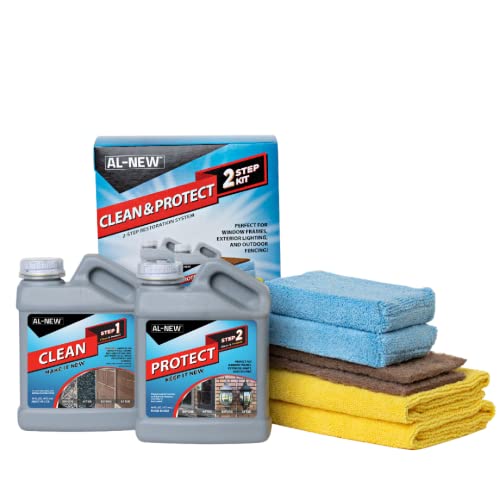
For challenging residue, I prefer commercial cleaners specifically designed for tackling difficult grime on surfaces. Look for products labeled as heavy-duty cleaners or those intended for finish restoration. Always check that the formula is safe for the particular type of finish on your pieces before application.
Selection of Appropriate Products
I often choose solvent-based cleaners or specialized wood surface restorers for tougher cases. These products typically contain ingredients that penetrate accumulated layers effectively. Ensure to read the instructions and safety warnings accompanying the product to avoid any adverse reactions.
Application Technique
Using a microfiber cloth, I apply a small amount of the selected cleaner directly to the affected area. It’s best to work in small sections, gently rubbing in a circular motion. After thorough application, I wait for the suggested time on the label for the cleaner to take effect before wiping away with a clean, dry cloth. This method helps lift the accumulated layers without damaging the finish beneath.
If needed, a second application can further enhance results. Always ensure proper ventilation during this process due to the chemicals involved.
Importance of Proper Rinsing After Cleaning
I always make sure to thoroughly rinse surfaces following the cleaning process. Residues from cleaning agents can attract dirt, leading to unnecessary buildup and further complications. Using clean water and a soft cloth for rinsing is key; it ensures all traces of cleaning solutions are eliminated.
For stubborn residues, I opt for multiple rounds of rinsing. This additional step is crucial in preventing the accumulation of chemicals that could damage the finish over time. I focus on using a minimal amount of water, as excess moisture can also lead to issues such as warping or staining.
After rinsing, I dry the surfaces completely with a lint-free cloth. This not only prevents water spots but also enhances the surface’s appearance. I pay close attention to corners and intricate details, ensuring no moisture is left, as these areas are often neglected.
This meticulous process of rinsing and drying balances cleanliness with the longevity of the surface. It protects against deterioration, ensuring that my beloved pieces remain in pristine condition for years to come.
Drying and Polishing the Wood Post-Cleaning
After thoroughly cleansing the surface, focus on drying it properly. I prefer using a soft, lint-free cloth to blot excess moisture, ensuring no water remains that could warp or damage the finish. Allow the surface to air dry completely before any further treatment. This may take several hours depending on humidity levels.
Applying the Final Touch
Once the surface is dry, I apply a quality natural oil or wax to enhance the finish. A soft cloth works well for this application, where I rub the product evenly, following the grain. This method not only restores luster but also provides a protective layer against future stains and damage.
Post-Application Care
After applying the finishing product, I let it sit for the recommended time specified by the manufacturer. Typically, I check the surface after around 30 minutes to assess absorption. If necessary, I buff it gently with a clean cloth to achieve the desired sheen. Regular maintenance such as this helps maintain the beauty and durability of the pieces.
Preventing Future Polish Buildup on Wood Furniture
Regular maintenance prevents residue accumulation. An application of a high-quality sealant creates a barrier against dust and grime, reducing the need for excessive cleaning agents.
Utilize microfiber cloths for dusting, as they attract particles without scratching the surface. Avoid using damp cloths, which can saturate and damage the finish over time.
Limit the frequency of any treatments to once every few months, ensuring the product is suitable for your specific piece. Choose products designed for your material to minimize unwanted layering.
Keep the environment controlled; maintain moderate humidity levels to prevent swelling or shrinking. Position furniture away from direct sunlight and heat sources, which can alter the finish.
Consider creating a schedule for cleaning and conditioning treatments, adhering to it strictly. This discipline in upkeep will preserve the beauty of your pieces while preventing future complications.
Always read labels for product instructions and adhere precisely, as manufacturer recommendations can vary significantly. Use gentle methods whenever possible to prolong the life of your cherished items.
Seek alternative natural cleaning options, like a mixture of vinegar and olive oil or beeswax, to maintain a healthy surface layer without causing accumulation.
When to Seek Professional Help for Restoration
If the surface has extensive damage, such as deep scratches, discoloration, or if layers of the previous coatings have been improperly applied, consulting with a specialist is advisable. Attempting to correct severe issues without expertise can compound the problem.
Presence of antique or valuable pieces is another trigger for professional intervention. Restoration of such items may require specialized techniques and materials to maintain their value and integrity.
| Situation | Recommendation |
|---|---|
| Severe Surface Damage | Consult a restoration expert for assessment and repair. |
| Antique or Valuable Items | Hiring a specialist ensures proper care and enhances value. |
| Previous Restoration Failure | Seek professional assessment to develop a new plan. |
| Uncertainty with Cleaning Agents | Professional advice prevents potential damage from improper products. |
In cases where a significant chemical reaction or overuse of cleaning solutions is evident, reaching out to experts can safeguard against further deterioration. Their knowledge can provide tailored solutions to restore the piece effectively.