
 Caleb Turner

To tackle lingering scents that cling to wooden surfaces, I recommend utilizing a mixture of white vinegar and water. Combine equal parts of both in a spray bottle, and lightly mist the affected area. Allow it to sit for a few minutes to aid in absorbing the scent. Wipe it down with a soft cloth to reveal a fresher aroma.
If the fragrance persists, consider using baking soda as a natural deodorizer. Generously sprinkle it over the surface and let it sit for several hours or overnight to draw out any remaining smells. Vacuum up the residue and follow up with a damp cloth to finish the cleansing process.
For particularly stubborn scents, a solution of lemon juice and olive oil can work wonders. Mix a few drops of lemon juice with olive oil and apply it sparingly to the area. This not only helps neutralize unwanted fragrances but also nourishes the wood, enhancing its appearance.
Always test any solution on a hidden spot to ensure the finish remains intact. Maintaining the integrity of your wooden pieces while rejuvenating their scent is key to a successful treatment.
How to Eliminate Scent from Wooden Surfaces
I recommend mixing equal parts of baking soda and water to create a paste. Apply the paste to the affected areas, focusing on grains and cracks. Allow it to sit for at least 15-20 minutes before gently scrubbing with a soft cloth. Rinse with clean water and dry thoroughly.
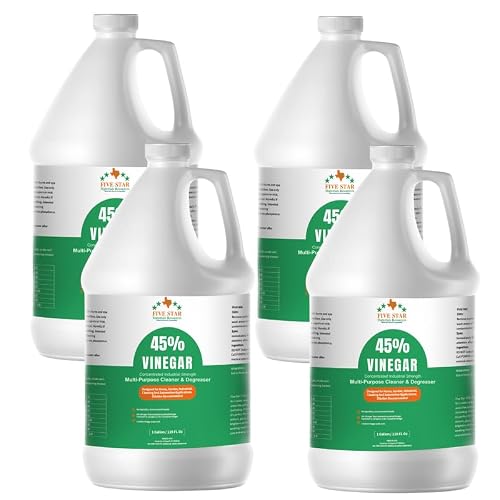



Another approach is utilizing white vinegar. Dampen a cloth with vinegar and wipe down the surfaces. The acidity helps in neutralizing strong scents. Ensure to follow up with a damp cloth to remove any vinegar residue.
Alternatively, try placing bowls of activated charcoal or coffee grounds near the item. These substances are excellent at absorbing unwanted fragrances over time. Leave them in proximity for a few days to see effective results.
Using essential oils can also help mask lingering fragrances. Choose a light oil such as lavender or lemon. Mix a few drops with water in a spray bottle and lightly mist the surface, avoiding saturation. Allow to air dry.
Identify the Source of the Odor
I begin by inspecting the area where the scent is strongest. Furniture pieces can absorb fragrances in various ways, so I check each surface methodically. First, I focus on drawers and hidden compartments, as they may trap the smell more than visible areas. I look for any containers or items stored within that might be releasing the scent.
Next, I examine decorative items, upholstery, or cushions nearby, as these can also contribute. I make a note of anything that seems to have a stronger scent or that was recently introduced into the space.
If the piece is exposed to a strong air freshener or scented candles, I track down their source as well. Identifying all potential culprits helps me understand where the scent originates, ensuring a targeted approach in dealing with it.
Finally, I assess the environment itself; changes in temperature or humidity can cause wood to release absorbed aromas. Knowing the source allows me to craft a plan to eliminate the lingering scent effectively.
Choosing the Right Cleaning Solution
For tackling lingering scents, I find that using a mixture of distilled white vinegar and water proves quite effective. Combining equal parts of these two will create a natural cleaner that neutralizes unwanted fragrances. Apply this solution with a soft cloth to avoid scratching surfaces.
Alternative Options
If vinegar isn’t your preference, try baking soda as an alternative. This gentle abrasive not only absorbs odors but also freshens surfaces. Liberally sprinkle it on the affected areas, let it sit for a few hours, and then vacuum it up. For a sweeter scent, mixing essential oils with your cleaning solution can provide a pleasant aroma while combating unwanted smells.
Commercial Products
When opting for store-bought cleaners, choose those specifically formulated for delicate surfaces. Look for products labeled as non-toxic and suitable for natural materials. Always test a small, inconspicuous area first to ensure compatibility, preventing any damage to the finish.
Testing on a Small Area First
Before applying any cleaning solutions extensively, I recommend testing on a small, inconspicuous section. This step is crucial to ensure that the materials react favorably to the treatment and that there’s no adverse effect on the finish.
Selecting the Right Spot
Choose a discreet area, preferably where damage or discoloration wouldn’t be noticeable. Often, the back or underside of a drawer provides an ideal location. Apply a minimal amount of the cleaning agent and observe any immediate changes.
Monitoring Reactions
Allow the solution to sit for a short duration–around 5 to 10 minutes–before wiping with a soft cloth. Check for any discoloration, dulling, or other damage. If the test area remains unaffected, it’s a green light for broader application. However, if any negative change occurs, I suggest opting for a gentler product or altering the method entirely.
By proceeding with caution, I ensure the integrity of the surfaces while tackling any unwanted scents efficiently.
Wiping Down the Furniture with a Damp Cloth
I recommend using a damp microfiber cloth to wipe the surface, ensuring it is not overly soaked, as excess moisture can harm the finish. Lightly dampen the cloth with warm water to help lift any lingering scents trapped in the surface grain.
Gently rub the affected areas in a circular motion, applying light pressure. This technique allows for better absorption of unwanted fragrances while protecting the finish of the surface. Rinse the cloth frequently to prevent spreading any residue around.
Once wiped down, I suggest letting the pieces air dry completely. After the drying period, check for any remaining scent. If necessary, I find that repeating this process often yields improved results.
| Step | Action |
|---|---|
| 1 | Dampen a microfiber cloth with warm water. |
| 2 | Gently rub the surface in circular motions. |
| 3 | Rinse the cloth regularly while cleaning. |
| 4 | Allow the item to air dry completely. |
| 5 | Check for any remaining scent and repeat if necessary. |
Using Baking Soda to Absorb Smells
To tackle stubborn scents, I recommend using baking soda, a common household product with excellent absorption properties. Sprinkle a generous amount over the surface of the item or within drawers and cabinet interiors.
Steps to Follow
- Distribute a thick layer of baking soda evenly across the affected area.
- Let it sit for at least 24 hours, allowing the baking soda to draw out any lingering aromas.
- Afterward, vacuum or gently brush off the powder to reveal a fresher scent.
Additional Uses
- If the fragrance persists, consider placing an open container filled with baking soda inside drawers or cabinets for ongoing absorption.
- Alternatively, mix baking soda with a few drops of essential oil to create a pleasant scent while neutralizing unwanted aromas.
In my experience, this method is not only cost-effective but also safe for various surfaces, making it a go-to solution for dealing with unwanted fragrances.
Applying Vinegar for Odor Neutralization
I recommend using a solution of equal parts water and white vinegar for tackling stubborn scents in furniture. White vinegar is effective due to its natural acidity, which can neutralize many unwanted smells.
Here’s how I apply it:
- Mix equal parts water and white vinegar in a spray bottle for an easy application.
- Gently spray the mixture onto the areas most affected. Avoid saturating the surface, as excess moisture can cause damage.
- Use a soft, lint-free cloth to wipe down the sprayed areas. It’s best to work in sections for better control.
Additional Tips
To enhance the effectiveness of this technique, I sometimes let the vinegar solution sit for several minutes before wiping it away. If the scent lingers, repeating the process may yield better results.
For lasting freshness, I place small bowls of vinegar in the vicinity to absorb any remaining scents in the air. This method is safe and won’t harm the finish of most surfaces.
Maintaining Proper Ventilation During the Process
Ensure adequate airflow in the area where you’re working. Open windows and doors to create cross-ventilation, which helps disperse lingering scents more effectively. A fan can assist in circulating air, further aiding the removal of undesirable aromas.
Using Air Purifiers
Consider employing an air purifier equipped with a HEPA filter. These devices can capture particles and volatile compounds in the air, enhancing air quality and reducing intruding scents quickly.
Natural Ventilation Tips
During the cleaning process, shift furniture items slightly to allow air to reach all surfaces. This simple action encourages moisture evaporation and helps sustain a fresh environment. Additionally, placing bowls of activated charcoal or cedar chips around the room can absorb excess scents while you work.
Regularly check on the progress and adjust ventilation methods if necessary to maintain an optimal atmosphere for effective elimination of unwanted fragrances.
Preventing Future Odor Buildup on Wood Furniture
Regular cleaning is key to maintaining fresh-smelling surfaces. I use a soft, damp cloth to wipe down my pieces on a weekly basis, ensuring that dust and other residues don’t settle in the wood grain.
Implementing coasters for beverages and trays for items like candles protects the finish and keeps strong scents at bay. I always keep a set handy for easy access.
Choosing appropriate products is crucial. I prefer mild cleaners specifically designed for delicate surfaces. Checking labels for safe ingredients helps avoid any potential damage.
Maintaining proper airflow in the space is something I prioritize. Opening windows or using fans can help keep any lingering scents to a minimum, especially in tightly sealed rooms.
Storing personal items like fragrances or essential oils appropriately also makes a difference. I avoid placing them directly on surfaces, instead opting for a dedicated drawer or cabinet.
Regularly inspecting for humidity issues aids in early identification of potential problems. Using a dehumidifier or placing moisture absorbers can prevent mildew that leads to unpleasant aromas.
Finally, I incorporate natural absorbers like activated charcoal in my cleaning routine. Placing small bowls around can naturally capture any unwanted particles and keep spaces smelling neutral.
FAQ:
What are some household items I can use to remove perfume smell from wood furniture?
You can use several common household items to remove perfume odor from wood furniture. White vinegar is effective due to its natural deodorizing properties. Mix equal parts vinegar and water in a spray bottle and lightly mist the affected area, then wipe it down with a soft cloth. Baking soda is another option; sprinkle it on the surface, let it sit for a few hours or overnight, and then vacuum or wipe it away. Additionally, using coffee grounds can absorb odors. Place a bowl of fresh coffee grounds near the furniture for a day or two. Lastly, essential oils can provide a pleasant scent while masking the perfume odor; dilute a few drops in water and use it as a spray. Always test a small area first to ensure no damage occurs to the finish of the wood.
How long does it usually take to get rid of perfume odor from wood furniture?
The duration for removing perfume odor from wood furniture varies depending on the method used and the strength of the smell. If you’re using vinegar or baking soda, you may notice a difference within a few hours to a couple of days. Leaving baking soda on the surface overnight is often very effective. If the smell is quite strong, it might take several applications or up to a week to fully eliminate it. Ventilating the area by opening windows can also speed up the process. Every situation is unique, so being patient and persistent is key.
Can I use commercial cleaners to remove perfume odors from wood furniture?
Yes, you can use commercial cleaners designed for wood surfaces to help remove perfume odors. Look for products that are labeled as odor eliminators or natural wood cleaners, ensuring they are safe for use on finished wood. Always read the instructions and test the product on a small, inconspicuous area first to check for any adverse reactions. Some cleaners contain enzymes or other ingredients specifically formulated to break down odors, which can be quite effective. Just be sure to follow up with a soft cloth to remove any residue after cleaning.
Is it safe to use water on wood furniture to eliminate odors?
Using water on wood furniture is a delicate matter. While it’s important to avoid soaking the wood, lightly dampening a cloth with a mixture of water and vinegar or a mild soap can help remove odors. Make sure the cloth is not dripping wet; you want it just damp enough to clean without saturating the wood. After wiping the surface, dry it thoroughly with a separate, dry cloth to prevent any potential water damage. Always consider the type of finish on your furniture and test a small area first.
Are there any methods I should avoid when trying to remove perfume odors from wood furniture?
Yes, there are several methods you should avoid to prevent damaging wood furniture. Firstly, avoid using bleach or strong chemical cleaners, as these can strip the finish and cause discoloration. Also, do not use excessive water, as soaking wood can lead to warping or splitting. Strong scrubbing pads or abrasive materials should be avoided as well, as they can scratch the surface. Finally, refrain from using heat sources like hair dryers to speed up drying, as this can lead to further damage. Sticking with gentle, natural cleaning methods is typically the safest route.
What are some methods to effectively remove perfume odor from wood furniture?
There are several methods you can try to eliminate perfume odors from wood furniture. One common approach is to use a mixture of white vinegar and water. Combine equal parts of both in a spray bottle, lightly mist the affected areas, and wipe them clean with a soft cloth. Another option is to use baking soda; sprinkle it on the furniture, let it sit for a few hours or overnight, then vacuum it off. Activated charcoal is also effective in absorbing odors; place some in a bowl near the furniture. Lastly, you might consider using commercial odor-eliminating sprays designed for fabrics, being careful to test on a small area first.


