
 Caleb Turner
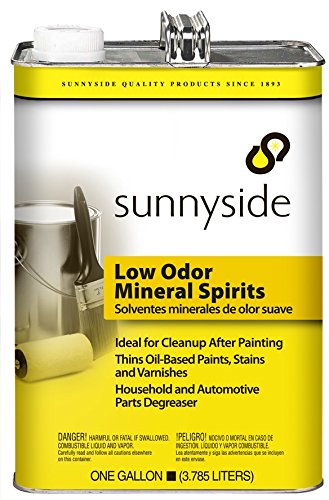
Choose a high-quality solvent, such as mineral spirits, for effective stain treatment. Apply it to a clean cloth, then gently rub the affected area in small circular motions. This method helps break down the unwanted film without damaging the underlying finish.
Another approach involves using a fine-grade sandpaper. Lightly sand the area until the surface feels smooth again, ensuring that you don’t over-sand and compromise the integrity of the piece. Follow this with a touch of polish to restore its original luster.
For stubborn spots, a paint scraper can serve as a reliable tool. Angle the blade carefully, ensuring you scrape away only the residue, not the wood itself. Always test on an inconspicuous spot first to prevent any unexpected damage.


After treating the areas, finish with a thorough cleaning using a damp cloth to remove any leftover product. Finally, let it dry completely before applying any protective finish or polish for a refreshed look.
Removing Residue from Surfaces
I recommend using a mixture of warm soapy water and a soft cloth to gently cleanse the affected areas. This helps break down the unwanted layer without damaging the underlying finish.
If the solution doesn’t work effectively, consider a solvent like mineral spirits. Apply it on a clean rag and dab lightly on the spots. Test it on an inconspicuous area first to ensure compatibility.
An alternative is using a plastic scraper. Carefully scrape the residue, ensuring to keep the angle shallow to prevent gouging the surface. This method works best on thicker remnants.
For stubborn marks, fine-grit sandpaper can be used cautiously. Sand lightly in the direction of the grain, and always finish with a touch of polish to restore the luster.
In case the finish is compromised, applying a wax or a fresh coat of clear finish can help blend and protect the wood. This is especially effective after cleaning to restore the original appearance.
Understanding Paint Overspray and Its Effects on Wood
Identifying the origin of unwanted coating is crucial. Residue often manifests as a fine mist or droplets, leading to uneven surfaces and alterations in the original aesthetics of the piece. This accumulation can penetrate the grain, forming a bond that complicates restoration efforts.
Impact on Finish
A compromised finish can result in discoloration or texture changes, diminishing the piece’s appeal. When I encounter these issues, I assess the type of finish applied beforehand. Some finishes are more prone to react negatively with foreign substances than others.
Potential for Damage
Continuous exposure to such substances may lead to deeper damage, affecting both structural integrity and appearance. In more severe cases, it may necessitate complete refinishing or even replacement of affected components. Regular inspections and prompt attention to new blemishes will help preserve the longevity of the item.
Gathering Necessary Tools and Supplies
First, I prepare a set of basic materials. A scraper or putty knife is essential for gently lifting any unwanted residue. I also keep a fine-grit sandpaper handy to smooth out the surface afterward.
I gather microfiber cloths to avoid scratching the finish while cleaning. For liquid solutions, a small bowl is useful for mixing ingredients if needed. Rubbing alcohol or a specialized solvent can help break down stubborn deposits.
Rubber gloves protect my hands, and a dust mask safeguards against inhaling any particles. Safety goggles are also a smart addition for eye protection. I have a vacuum with a brush attachment nearby to remove dust and debris as I work.
Lastly, I ensure proper lighting in the space. Adequate illumination allows me to see details and work more effectively without missing any spots. All these supplies make the task straightforward and less time-consuming.
Testing on a Small Area Before Full Application
I recommend selecting a discreet spot on your item to assess the chosen method’s impact. This preliminary test ensures you won’t inadvertently harm a visible area during the process. Use a cotton swab or small brush, applying the chosen solvent or cleaning agent sparingly to avoid saturating the surface.
Wait a few minutes and examine the area for any adverse reactions such as discoloration, damage, or loss of finish. If the test spot responds well, proceed cautiously to larger sections, adapting the technique as needed based on your observations.
In case of unwanted effects, try alternative products or methods. Keeping a close eye on how the material interacts with your selection will lead to better outcomes without compromising the underlying structure or aesthetics.
Using Mild Solvents for Safe Removal
I recommend using mild solvents like mineral spirits or denatured alcohol for this task. These substances are less aggressive than harsher chemicals and minimize the risk of damaging the surface finish of your items.
Begin by applying a small amount of your chosen solvent to a lint-free cloth. Gently blot the affected area, avoiding vigorous rubbing, as this could exacerbate the issue. It’s best to work in small sections to maintain control.
If the residue doesn’t lift easily, allow the solvent to sit for a few moments to soften the stubborn spots. Repeating the process until the area is clear can be effective. Make sure to frequently check the surface’s reaction to the solvent to avoid stripping any finishes.
Once completed, I recommend wiping the area with a clean, dry cloth to remove any leftover solvent. This helps ensure there’s no residue left that could affect future treatments or finishes.
Keep your workspace well-ventilated when operating with these agents to avoid inhalation of fumes. Always wear gloves to protect your skin while handling these materials.
Employing Scrapers for Stubborn Overspray
For particularly tenacious spots, utilizing a scraper is highly effective. Select a plastic or metal scraper depending on the surface’s durability. Before applying force, hold the scraper at a shallow angle to avoid gouging the finish.
Begin at the edges of the stain and gently push the scraper toward the center. This technique minimizes the risk of damaging surrounding areas while effectively lifting the unwanted material. Work slowly to ensure precision and control.
If resistance occurs, apply a mild solvent beforehand to soften the residue. Allow the solvent a few minutes to penetrate before attempting to scrape again. Always keep the blade clean; periodically wipe it to clear any build-up.
After each pass, inspect the surface under good lighting to assess progress. If necessary, repeat the process until the desired outcome is achieved. Finish with a gentle polish to restore any lost luster.
Finishing with Sanding Techniques for Smooth Surfaces
Choosing the right sanding method is key for achieving the desired finish. Begin with coarse grit sandpaper, typically 80 to 120 grit, to eliminate any remaining imperfections. Move to a finer grit, such as 220, to prepare the surface for the final touch.
Steps to Achieve a Flawless Finish
- Ensure the surface is clean and free from debris.
- Sand in the direction of the grain to avoid creating scratches.
- Apply even pressure to maintain uniformity across the area.
- Change sandpaper as needed, especially when it becomes clogged.
- Use a sanding block for flat surfaces to prevent uneven wear.
After initial sanding, remove dust with a tack cloth to prepare for finishing. A thorough clean ensures no particles impede the final appearance.
Final Touches for an Ultra-Smooth Surface
- Consider using a sanding sponge for intricate areas.
- A light hand sanding between coats of finish can enhance smoothness.
- Always finish with the finest grit possible, usually around 400 or higher, for a glass-like touch.
Final inspection under good lighting helps identify any imperfections that can be addressed with additional sanding. Achieving a handsomely polished effect elevates the overall presentation and durability of your piece.
Applying Wood Conditioner After Removal
After addressing the issues on the surface, it is crucial to apply a high-quality wood conditioner. This substance prepares the grain of the timber for subsequent treatment, ensuring an even absorption of stain or finish.
Follow these steps for optimal results:
- Select the Right Conditioner: Choose a product that aligns with the type of finish you intend to apply, whether oil-based or water-based.
- Clean the Surface: Before application, ensure that the surface is free from dust or debris. A damp cloth can assist in this process.
- Apply Evenly: Use a clean, soft cloth or brush to apply the conditioner. Focus on an even coat across the area.
- Allow to Penetrate: Let it sit for the recommended duration specified on the label. This typically ranges from 5 to 15 minutes. Wipe off any excess with a clean cloth.
- Repeat if Necessary: For particularly thirsty wood, a second application may enhance the results.
After the conditioner has dried, you can proceed with applying your chosen stain or finish to achieve a uniform appearance that enhances the natural beauty of the timber.
Preventing Future Paint Overspray on Furniture
To avoid unwanted residue on surfaces, meticulous preparation is key. I always begin by covering all items in the vicinity with drop cloths or plastic sheeting. This basic step acts as a protective barrier, minimizing the chance of getting splatters on the furniture.
Utilizing painter’s tape creates clean lines and protects edges effectively. I apply the tape along areas where I want to maintain a crisp edge, ensuring that no excess material gets onto the exposed sections.
Having a well-ventilated workspace significantly decreases the likelihood of aerosolized particles settling on surrounding items. I recommend working in open areas or using fans to direct particles away from beloved pieces.
Choosing the right applicator is crucial. I favor brushes or rollers over spray cans, as they provide more control and accuracy, reducing stray drops. If I must use a sprayer, I adjust the settings for a fine mist to limit dispersion.
Timing is everything. I allow ample drying time between coats, and keep an eye on the forecast. Avoid painting outdoors on windy days, which can carry airborne particles onto furniture.
Lastly, I make a habit of cleaning the workspace after each use. This includes sweeping or vacuuming any excess materials before beginning another project, ensuring a fresh start and fewer chances of unintended marks.
| Tip | Description |
|---|---|
| Cover Surroundings | Use drop cloths or plastic sheeting to shield all surrounding surfaces. |
| Painter’s Tape | Apply tape to edges for a clean finish and protection from splatter. |
| Ventilation | Work in well-ventilated areas to avoid excess particles settling. |
| Controlled Application | Opt for brushes or rollers for better precision; adjust sprayers to fine mist settings. |
| Weather Awareness | Avoid windy conditions for outdoor projects; allow adequate drying time. |
| Post-Project Cleanup | Thoroughly clean the workspace to prevent recurring issues with marks. |


