
 Caleb Turner

For immediate action, I recommend using a mixture of warm water and dish soap. Dampen a clean cloth with this solution and gently blot the stained area. This method works effectively to lift many residues without damaging the underlying material.
In situations where initial attempts fail, applying a solution of white vinegar and baking soda can be useful. Combine equal parts of each in a bowl to create a paste and apply it directly to the affected spot. Let it sit for about 15 minutes before wiping it away with a damp cloth.
For persistent marks, rubbing alcohol can be an excellent option. Soak a cotton ball or soft cloth in the alcohol and gently rub the stain. Always test this method on an inconspicuous area first to ensure compatibility with the surface. Following these approaches will aid in restoring your items to their original state.
Steps for Eliminating Stains from Surfaces
First, I mix equal parts of white vinegar and water in a spray bottle. This solution acts as a gentle yet effective cleaner. Lightly mist the stained area and let it sit for a few minutes to penetrate the discoloration.

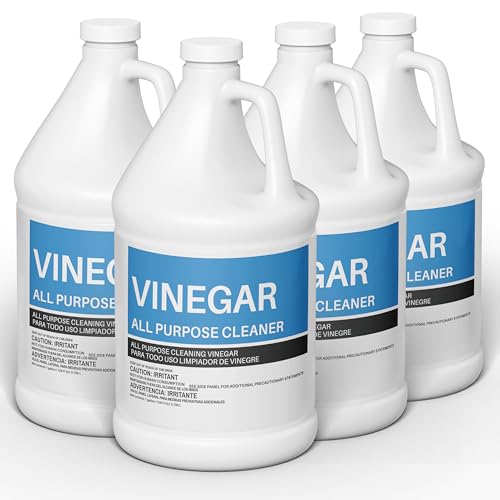
Next, I take a soft cloth or sponge, dampen it, and begin blotting the stain. I avoid rubbing, as this can spread the pigment. Instead, I dab the area until I see progress. For tougher marks, I often repeat the vinegar solution application.
Utilizing Baking Soda Attention
If discoloration persists, I sprinkle baking soda generously over the damp area. I leave it for about 15 minutes, allowing the baking soda to absorb any remaining tint. Afterward, I gently wipe it away with a clean damp cloth.
Final Steps with Rubbing Alcohol
If traces linger, I soak a cotton ball or cloth with rubbing alcohol and lightly dab the remaining stain. I rinse the area with water afterward to prevent any residue. To finish, I dry the surface thoroughly with a clean towel, ensuring no moisture remains.
Taking immediate action increases chances of success. Always test any method in an inconspicuous area to check for damage before proceeding with visible parts.
Assess the Type of Furniture Finish
Identifying the finish on your piece is crucial for choosing the right cleaning approach. Finishes can vary widely and understanding these differences will guide your next steps. Here are the common types:
- Varnish: Typically glossy and durable. Use a soft cloth and a solvent like mineral spirits for testing.
- Polyurethane: Often has a thick coating. Gentle cleaners work well, but avoid abrasive scrubbers to prevent damage.
- Laquer: Fast-drying and less durable. Opt for a mild soap solution, and test on an inconspicuous area first.
- Shellac: A natural finish that can be sensitive to heat and solvents. Use a damp cloth for spot cleaning.
- Oil: Enhances the wood’s natural look. Apply a small amount of mineral oil or specialized wood cleaner for maintenance.
Always check for manufacturer recommendations, as these can provide tailored guidance specific to the finish type. Testing a small, hidden area allows for assessing compatibility without risking visible damage.
For refinishing, if conventional cleaning does not suffice, consider sanding lightly or applying a new coat of finish, ensuring compatibility based on the original type.
Gather Necessary Cleaning Supplies
Gather the following items to tackle the stain effectively:
- Microfiber cloths: Soft and absorbent, suitable for blotting without spreading the stain.
- White vinegar: A natural acid that can help break down pigments.
- Dish soap: Mild detergent that aids in lifting stains without damaging surfaces.
- Warm water: Key for diluting cleaning solutions.
- Rubbing alcohol: Useful for tougher spots, especially on non-porous finishes.
- Baking soda: Acts as a gentle abrasive and deodorizer for stubborn marks.
- Protective gloves: To shield your hands while cleaning, especially when using chemicals.
- Sponge or soft brush: For gentle scrubbing without scratching surfaces.
- Bucket: Necessary for mixing solutions and rinsing materials.
This toolkit provides the foundation for effectively addressing stains with minimal risk to the material involved.
Test Cleaning Solution on an Inconspicuous Area
I recommend applying a small amount of the chosen cleaning mixture to a hidden section of the surface. This step confirms that the treatment will not cause damage or discoloration. Use a clean, white cloth or cotton ball to dab the solution onto the area, ensuring not to saturate it excessively.
After a brief period, generally about five to ten minutes, check the test spot for any adverse reactions. Look for changes in texture, color fading, or any other unusual effects. If everything appears fine, proceed with confidence to treat the stained areas.
If there are signs of damage, it may be necessary to consider alternate options or additional methods specific to the material. Keeping the integrity of the surface is paramount, so always prioritize cautious testing before applying the cleaning agent broadly.
Blot the Stained Area Immediately
The key to addressing a stain is to act right away. As soon as I notice the discoloration, I grab a clean, dry cloth or paper towel. I gently press it against the affected spot to soak up as much of the dye as possible. It’s important to blot rather than rub; rubbing can push the stain deeper into the material.
Here’s a step-by-step process I follow:
- I use a white cloth or paper towel to avoid transferring any additional dyes or colors.
- Starting from the edges of the stain, I work toward the center. This technique helps prevent spreading the mess further.
- If the cloth becomes saturated, I switch to a fresh one to keep absorbing the concentrated pigment.
After blotting, I assess how much of the pigment has lifted. If the stain remains, I continue the blotting process until no more color transfers to the cloth.
Keep the Area Dry
It’s crucial to avoid soaking the area with excess moisture. Keeping the furniture dry minimizes the risk of water damage while I work on treating the mark. Once I’ve blotted thoroughly, I allow the area to air dry completely before proceeding with any cleaning solutions.
Use Vinegar or Baking Soda for Stubborn Stains
I recommend creating a paste with baking soda and a little water to tackle persistent spots. Apply it directly to the affected area and gently rub using a soft cloth. Once the paste dries, wipe it off with a damp cloth, ensuring no residue is left behind.
If the stain remains, combine equal parts of white vinegar and water in a spray bottle. Lightly mist the stained section and let it sit for a few minutes. Blot with a clean cloth to lift the discoloration. This method can break down the pigments effectively.
For tougher blemishes, mix the vinegar solution with a dash of dish soap for added cleaning power. Apply this mixture using a sponge, working in small circles. After stain removal, rinse the area with a damp cloth to eliminate any cleaning agent residue.
Always ensure the mixture does not affect the finish. Following up with a suitable furniture polish can help restore shine after the cleaning process.
Apply Rubbing Alcohol for Deep Stains
I recommend using rubbing alcohol for tackling persistent blemishes. It’s effective for penetrating deeper into materials effectively. Start by soaking a clean cloth or cotton ball with isopropyl alcohol, ensuring it’s not dripping wet to avoid oversaturation.
Gently dab the stained area, working from the outside in to prevent spreading. Allow the solution to sit for a few minutes to break down the pigment. Blot with a fresh, dry cloth to lift the color away.
If the stain remains, repeat the dabbing process and allow the alcohol more time to work. Patience is key, as some marks may require more effort.
| Steps | Details |
|---|---|
| 1. Soak cloth | Moisten a clean cloth with rubbing alcohol. |
| 2. Dab the stain | Gently press the cloth against the discoloration. |
| 3. Allow to penetrate | Let the alcohol sit for a few minutes. |
| 4. Blot | Use a dry cloth to absorb the lifted pigment. |
| 5. Repeat if needed | Continue the process until the stain fades. |
After treating the stain, ensure the area is completely dry to prevent any additional damage. Finish by applying a suitable furniture polish or conditioner to restore luster and protect the surface.
Wash the Area with Soapy Water
I use warm water mixed with a few drops of dish soap as my first line of defense against stains. Using a clean cloth, I gently apply the soapy solution directly to the affected surface. It’s crucial to avoid soaking the area, as excess moisture can damage the material. Instead, I blot the stain, allowing the soap to penetrate. After a few moments, I wipe the area with a damp cloth to remove any soap residue.
To enhance effectiveness, I often repeat the blotting process, switching to a fresh section of the cloth with each attempt. This prevents the transfer of dye back onto the surface. I pay attention to the finish of the item; if it’s particularly delicate, I take extra care to minimize additional wear.
Once satisfied with the results, I make sure to dry the treated area completely with a soft towel, which helps prevent any remaining moisture from causing issues later. This step is vital to ensure long-term preservation of the surface integrity.
Dry the Furniture Properly to Prevent Damage
Ensure adequate ventilation after cleaning. Open windows and use fans to circulate air around the area, accelerating the drying process.
Avoid exposing the material to direct sunlight, as it may cause warping or fading. Instead, opt for a shaded spot to minimize temperature fluctuations that could lead to structural issues.
Use absorbent towels to gently blot excess moisture. Do not rub, as this can harm the surface finish.
If the piece is wooden, consider placing silica gel packets nearby to absorb residual dampness, which helps prevent mold or mildew.
Wait patiently before using the item again. Giving it enough time to dry thoroughly can make a significant difference in maintaining its integrity and appearance.
Consider Professional Cleaning Services if Needed
If DIY methods fail or the stains persist, seeking assistance from cleaning experts can be a wise choice. These specialists possess the knowledge and tools to tackle stubborn marks that household products may not affect.
Assessing the extent of the damage is crucial. If you notice discoloration or staining that penetrates deeper than the surface, professional services often utilize advanced techniques and solutions not available to consumers, ensuring a thorough clean without risking further damage.
In such cases, it’s advisable to contact cleaning services that specialize in restoring surfaces to their original condition. They can provide tailored solutions based on the material and type of stain, ensuring effective treatment.
Consider discussing the cleaning methods employed; reputable companies will offer details about their approach and any products they use, ensuring they are safe for your specific items. It’s also beneficial to check reviews or request references to gauge their success rate.
| Service | Benefits |
|---|---|
| Upholstery Cleaning | Deep clean without damaging fabric |
| Polishing and Refinishing | Restores original shine and integrity |
| Stain Removal Specialists | Targeted approach for specific stains |
By choosing this route, I can ensure that treasured possessions receive the best possible care, extending their life and maintaining their aesthetic appeal.


