
 Caleb Turner

To tackle unwanted invaders, I first vacuum thoroughly, ensuring to cover all the nooks and crannies of the affected areas. This process is essential, as it removes both adult insects and eggs lodged deep within the fibers.
Next, I apply a specialized cleaning solution designed for deep cleaning soft surfaces. This solution penetrates the fabric, targeting any hidden pests or their remnants, ensuring maximum efficacy.
For persistent cases, I rely on steam cleaning. The high temperature not only eliminates living organisms but also serves to sanitize the area. This added step protects against future infestations, creating an inhospitable environment for any returning pests.
After thorough cleaning, I make sure to treat surrounding areas with eco-friendly insect repellents. This strengthens my defenses, ensuring that any potential returnees are kept at bay. Regular maintenance, including frequent vacuuming and washing of textiles, is vital to ensure long-term results.
Effective Techniques for Tackling Unwanted Insects in Soft Surfaces
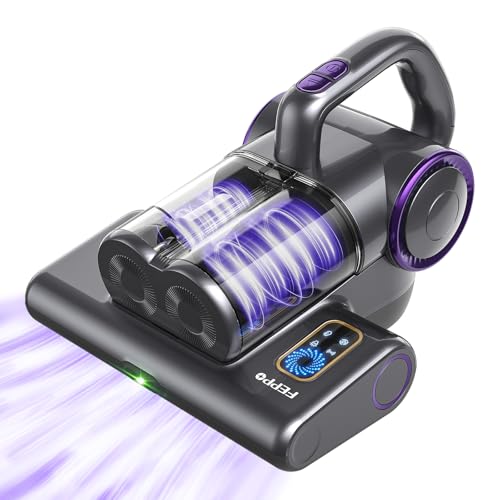
Begin with thorough vacuuming of the entire area, focusing on seams, edges, and under furniture. Utilize a vacuum with a HEPA filter to trap tiny insects and their eggs. After vacuuming, seal the vacuum bag tightly before disposal to prevent any escape.

Natural Solutions to Consider
Consider sprinkling diatomaceous earth in affected zones. This natural powder dehydrates pests upon contact. Leave it for a few hours or overnight, then vacuum it out thoroughly. Another option is using a mixture of water and apple cider vinegar in a spray bottle. Lightly mist the surfaces, ensuring no excessive moisture gathers.
Utilizing Chemical Options Safely
If natural remedies do not yield results, explore chemical treatments. Look for insecticide labeled for use on textiles and follow all usage instructions carefully. Ensure pets and humans are out of the area during application, and allow sufficient drying time before re-entering the space.
Identifying Infestation in Your Home
Check for small bites on your skin, especially on the lower legs and ankles. The presence of red, itchy patches often indicates a problem.
Signs to Look For
- Visible pests: Spotting tiny, jumping insects on the floor or pets is a strong indicator.
- Flea dirt: Black specks on surfaces or pet bedding, which can turn red when wet, are remnants left behind.
- Pet behavior: If your animal is scratching excessively or biting at its skin, it’s a sign of irritation from pests.
Confirming the Problem
Use a white sock or cloth to wipe surfaces. If you find small insects or dirt, it’s likely an infestation. Additionally, check the dark areas and corners of rooms for hidden colonies.
Monitoring your living space regularly can help catch a problem early. Overall, staying observant will aid in maintaining a pest-free environment.
Preparing Your Carpet and Furniture for Treatment
Thoroughly vacuum surfaces to eliminate any present pests and eggs. I ensure that all areas, including under cushions and along baseboards, receive attention. Replace the vacuum bag or empty the canister immediately after use to prevent reinfestation.
Remove items from the space needing attention. This includes furniture, decorative pieces, and any personal belongings. I often move larger pieces away from walls to free up more space for treatment.
Wash any removable fabric covers, such as cushion covers or throws, in hot water. I check labels for temperature recommendations, but typically, a wash at 130°F (54°C) ensures any lingering issues are dealt with.
Clear floor space by picking up clothes, books, and toys. I find it easier to treat the area without obstacles. Sections I plan to treat benefit from minimal clutter.
Use a brush or attachment on the vacuum to target corners and crevices where pests may hide. My approach includes going over the floor and furniture thoroughly, ensuring no spot is missed.
Assess any damaged or old furniture. Discard items that are beyond salvaging, as they can harbor pests and reinfest treated spaces. I find it helps to keep a clean, organized environment.
Consider using a flea trap or similar device for several hours before applying any treatments to gauge pest levels. This offers insight into the necessity of professional help.
Keep pets out of the treated area during and after application for a specific period, following treatment instructions carefully. I often create a separate comfortable space for them until it’s safe to return.
By adequately preparing the environment, I maximize the effectiveness of any intervention I choose to implement.
Choosing the Right Flea Removal Products
Select a product based on the level of infestation and the surfaces being treated. For challenging infestations, opt for insecticide sprays or powders specifically designed for homes. Ensure these products are safe for use around pets and children. Read labels carefully to confirm their effectiveness against various life stages, including eggs, larvae, and adults.
Consider the application method: ready-to-use sprays offer convenience, while concentrates may require mixing but typically provide a bigger coverage area.
| Product Type | Application Method | Key Benefits |
|---|---|---|
| Insecticide Sprays | Ready-to-use | Quick application, effective on contact |
| Powders | Sprinkle and leave | Long-lasting residual effect |
| Foggers | Set and leave | Covers large areas, penetrates deep |
| Natural Remedies | Sprays or powders | Eco-friendly, less harmful |
Keep an eye out for additional ingredients such as growth regulators, which prevent immature forms from maturing into adults, providing a more comprehensive solution. For softer environments, the use of essential oil blends could serve as a deterrent while being gentler on the material.
Always conduct a patch test on less visible areas before full application. This step helps to avoid any damage or discoloration to fabrics. Be diligent in following instructions and use protective gear when necessary to ensure safety during the treatment process.
Vacuuming Techniques for Maximum Flea Removal
I recommend utilizing a vacuum with a HEPA filter, as it effectively traps tiny particles, including eggs and larvae. Make sure to use a crevice tool to reach corners and tight spaces where these pests may hide. Regularly check and empty the vacuum canister to prevent re-infestation.
Frequency and Timing
Conduct thorough cleaning at least twice a week. Pay attention to areas where pets rest, as these spots often harbor any remnants of infestation. Vacuuming after treatment provides added assurance that troublesome creatures are eliminated.
Technique Application
Employ a slow, methodical approach while vacuuming. Move the vacuum cleaner in overlapping rows to ensure no area is missed. For deep-pile rugs, use a back-and-forth motion to disturb fibers and extract hidden eggs. Don’t forget to vacuum upholstery and cushions, as these spots can collect debris and harbor hidden threats.
Applying Flea Treatments to Carpets and Upholstery
I recommend thoroughly vacuuming the targeted areas before applying any treatment, ensuring to reach corners and under cushions. After vacuuming, discard the bag or empty the canister outside to prevent re-infestation.
Select a suitable product based on your specific needs. For carpets, a spray or fogger that targets both adults and larvae can be beneficial. For upholstery, choose a solution specifically formulated for fabrics to avoid damage. Always perform a patch test on an inconspicuous area to ensure compatibility.
Follow the application instructions meticulously. When using a spray, maintain an appropriate distance to achieve an even coating without oversaturation. For foggers, ensure all windows are closed and pets and people are out of the treatment area during application.
If using powders, sprinkle them evenly and allow them to sit for the recommended time to penetrate the fibers effectively. Don’t forget to focus on seams and crevices where these pests often hide.
After treatment, allow the area to dry completely before reintroducing furniture and allowing pets back into the space. Repeating the process in two weeks can help ensure any remaining eggs hatch and are targeted. Monitoring the area post-treatment will help assess the effectiveness of the chosen method.
Preventing Future Flea Infestations in Your Home
Regularly wash pet bedding and blankets in hot water to eliminate any lurking eggs or larvae. Vacuum these areas frequently to keep them clean. Storing pet supplies in sealed containers also helps deter unwanted visitors.
Maintain a clean environment by vacuuming carpets and upholstery at least once a week. This disrupts the life cycle of any pests and removes potential food sources. Pay extra attention to corners and under furniture.
Applying preventative treatments to pets is crucial. Speak with a veterinarian regarding appropriate topical solutions or oral medications that provide lasting protection against parasites.
Install door sweeps and repair window screens to prevent outdoor creatures from entering. Ensure outdoor spaces are maintained, trimming grass and clearing debris that can serve as breeding grounds.
Monitor your home regularly for signs of infestation. Look for droppings or skin irritations on pets, and address any potential issues immediately to avoid escalation.
Use natural deterrents like diatomaceous earth in areas where fleas are likely to thrive. This substance is safe for pets and can significantly reduce pest populations in your home.
Consider consulting with pest control experts for tailored advice and treatments, especially if you’ve faced recurrent issues. A proactive approach ensures that your living space remains comfortable and free of invaders.


