Caleb Turner
For effective results, I recommend beginning with cold water. Blot the affected area with a clean cloth soaked in cold water to help loosen the protein residue. Avoid using hot water, as it can set the mark deeper into the material.
Next, consider a solution made from a couple of drops of dish soap mixed with cold water. With a clean cloth, gently dab the mixture onto the area, ensuring you do not rub aggressively, as this could damage the upholstery fibers.
After applying the soapy solution, use another cloth dipped in cold water to rinse the area. It’s essential to remove any soap residue, as it could attract dirt over time. Finally, allow the fabric to air dry completely before evaluating the results. If necessary, repeat the process until the area is clean.


Identify the Type of Furniture Material
Determining the specific material of your item is the first step for tackling any marks. Common materials include wood, fabric, leather, and synthetic surfaces. Each requires different methods for treatment.
Wood
If your piece is wooden, check for finishes like varnish or lacquer. Use a damp cloth with a mild cleaner, being careful not to saturate the surface. Test a small, hidden area first.
Fabric
<pFor upholstered items, identify the type of fabric, such as cotton, polyester, or a blend. A gentle cleanser or a mixture of water and vinegar can work, but always spot-test to avoid discoloration.
Gather Necessary Cleaning Supplies
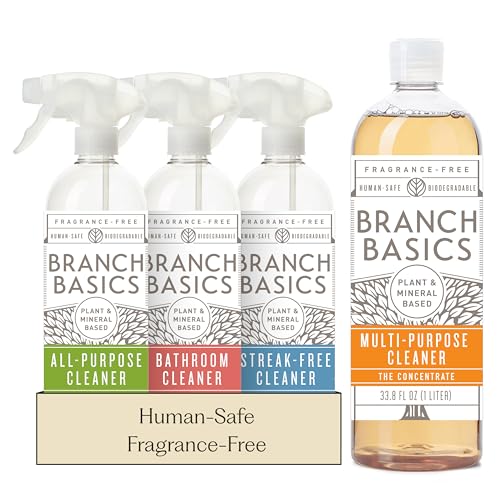
Gathering the right tools is fundamental for tackling this task effectively. Here’s what I recommend having on hand:
- Lint-free cloths: These prevent fibers from sticking to the surface.
- Cold water: Use it to dampen the cloth and activate any cleaning solution.
- Dish soap: A gentle dish soap helps break down proteins found in such marks.
- Hydrogen peroxide: This acts as a mild bleach and can assist in lifting stubborn areas.
- Rubbing alcohol: Effective for tougher residues; however, test it on an inconspicuous area first.
- Baking soda: Works as a gentle abrasive; mixing with water creates a paste that can help.
- Spray bottle: Useful for applying solutions evenly and controlling moisture levels.
- Soft brush: A toothbrush can be handy for scrubbing intricate patterns or seams.
- Plastic spatula: Great for lifting off crusted particles without scratching the surface.
As I gather these items, I ensure to have everything within reach to streamline the process. Organization helps in maintaining focus and achieving better results.
Pre-treat the stains with cold water
I recommend using cold water to tackle the discoloration. First, dampen a clean cloth with cold water. Blot the affected area gently, allowing the moisture to penetrate the fabric. Avoid rubbing, as this may set the discoloration further. Clay-type or porous materials might absorb more liquid, so be mindful of this. Continue blotting until you see some transfer of the discoloration onto the cloth. This process helps to loosen the particles. After pre-treatment, let the area air dry completely before applying any specific cleaner. This step is crucial for effectiveness in later stages.
Apply Suitable Cleaning Solution for the Material
I choose a cleaning solution that matches the specific type of material. For fabric upholstery, a mix of cold water and a few drops of dish soap works well. I dab this solution onto a clean cloth and gently blot the area without rubbing, which could spread the issue.
When dealing with leather, I opt for specialized leather cleaners or a solution of equal parts vinegar and water. After applying, I wipe with a soft cloth and allow the area to dry naturally. For wood surfaces, a mixture of wood polish and water helps maintain the finish while addressing discoloration. I apply this with a soft, lint-free cloth, ensuring to follow the wood grain for best results.
Testing the Solution
Before applying any mixture, I conduct a spot test on an inconspicuous area. This step ensures that the solution won’t cause discoloration or damage. After confirming compatibility, I proceed with the cleaning process.
Final Touches
After the initial cleaning, I often use a damp cloth to wipe the surface again, removing any leftover cleaning agent. Once dry, I may apply appropriate conditioner or polish to restore the material’s luster and protect it for future use.
Use proper tools to scrub without damaging
I recommend selecting tools based on the surface composition. For delicate materials like wood or leather, a soft-bristle brush or microfiber cloth works best to prevent scratches.
Sturdy surfaces like metal or plastic can handle a firmer scrubber, but it’s wise to choose one that’s non-abrasive. A sponge with a gentle scrubbing side often strikes the right balance.
Avoid steel wool or scouring pads; these can mar and degrade the surface finish. Instead, consider the following options:
| Material Type | Recommended Tool |
|---|---|
| Wood | Soft-bristle brush or microfiber cloth |
| Leather | Microfiber cloth |
| Metal | Non-abrasive sponge with soft scrubbing side |
| Plastic | Non-abrasive sponge or cloth |
Always perform a spot test on an inconspicuous area first to confirm compatibility before proceeding with the chosen tool. This ensures that the scrubbing won’t create additional issues.
Test and Ensure Stain is Fully Removed Before Finishing
After applying a cleaning solution, I always double-check the area to guarantee that all discoloration is gone. To do this, I dampen a clean cloth with cold water and gently dab the surface. If the cloth picks up any color, the process is not yet complete. Continue cleaning until no more residue transfers to the cloth.
Once I’m confident that the blemish has vanished, I let the area air dry completely. This step is vital, as a hidden mark might become more noticeable after the surface has dried. I closely inspect the spot under good lighting to ensure nothing lingers.
Final Inspection Techniques
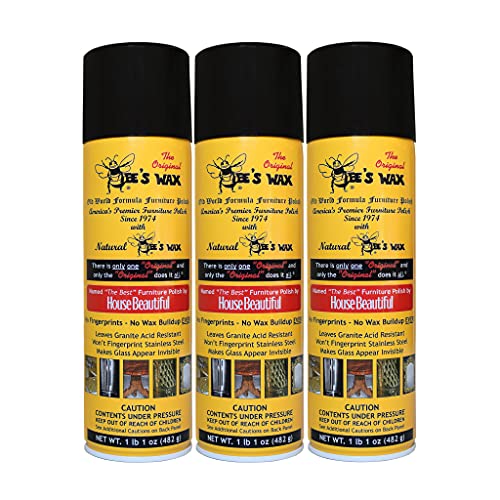
To further verify cleanliness, I sometimes apply a little bit of furniture polish to the area. This helps highlight any remaining imperfections, as polish can accentuate textures and colors. If the surface appears consistent and intact, I consider the task successfully accomplished.
Preventing Future Issues
After confirming the area is clear, I recommend performing occasional checks on the furniture. Maintaining watch over potential vulnerabilities helps preserve the integrity and appearance of the material in the long run.