
 Caleb Turner

I recommend using a mixture of warm water and mild dish soap to tackle the sticky buildup on your cherished surfaces. Dampen a soft cloth with this solution and gently rub the area in circular motions, ensuring you don’t saturate the wood. Dry the surface immediately with a clean, dry cloth to prevent moisture damage.
If the debris persists, consider utilizing a mixture of equal parts vinegar and olive oil. Apply this blend to the affected areas using a soft cloth. The acidity of vinegar can break down residue while olive oil nourishes the timber, resulting in a refreshed appearance.
For stubborn spots, I suggest using a small amount of baking soda mixed with water to create a paste. Gently massage this paste onto the area, and once the residue lifts, wipe it clean with a damp cloth. Finally, always follow up with a thorough drying process to guard against water marks.
How to Eliminate Accumulated Build-Up on Wooden Surfaces
To address accumulated deposits on wooden surfaces, I utilize a mixture of vinegar and olive oil. This blend not only cleans but also nourishes the material. Start with equal parts of both ingredients in a spray bottle, shake well, and apply it to a soft cloth.


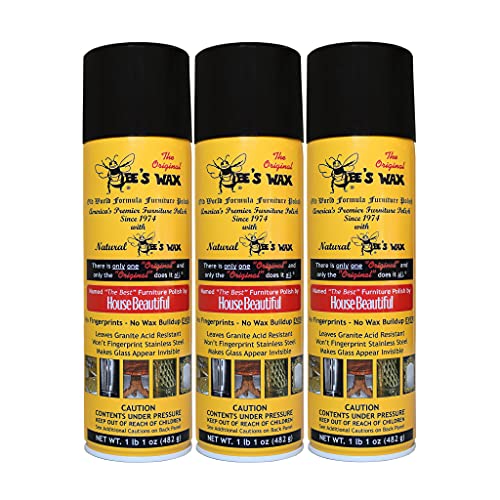
I gently rub the cloth onto the affected areas in a circular motion. This action helps to lift the residue without scratching or damaging the finish. For stubborn areas, I let the solution sit for a few minutes before wiping it away.
After cleaning, I use a separate clean cloth to buff the surface, restoring its natural shine and luster. Regular maintenance with a soft, damp cloth can minimize future build-up.
| Ingredient | Purpose |
|---|---|
| Vinegar | Cleansing agent |
| Olive Oil | Conditioning agent |
Avoiding excessive moisture is essential; I ensure that the cloth is only mildly damp during cleaning. This practice helps in preserving the integrity of the finish while effectively combating unwanted deposits.
Identify the Type of Wax on Your Furniture
To tackle the residue effectively, I first determine the nature of the product on my surface. There are typically two types of substances used: paste and liquid. Paste formulations, often thicker, provide a richer finish and may create a more significant buildup over time. Liquid varieties, on the other hand, tend to penetrate deeper and dry quicker but can also lead to accumulation if not used judiciously.
Assessing the Finish
I inspect my item closely. A glossy sheen might indicate a silicone-based product, while a matte appearance points toward a natural wax blend. Understanding this distinction aids in selecting the right cleaning approach. In many cases, if I notice a sticky texture, it’s likely a combination of different waxes, requiring a more careful method to clear.
Testing a Small Area
Before proceeding, I recommend conducting a patch test. I apply a small amount of my cleaning solution to an inconspicuous location. Not only does this confirm the type of buildup, but it also helps to ensure no adverse reactions occur with the underlying finish. Observing the reaction allows me to adapt my technique for the entire surface.
Gather Necessary Supplies for Wax Removal
Collect the following items to ensure a successful cleaning process:
- Soft cloths: Choose lint-free options to prevent further scratching the surface.
- Plastic scraper: A plastic putty knife works well for gently lifting residue without causing damage.
- White vinegar: This natural cleaner helps break down residues effectively.
- Mineral spirits: Use this solvent for tougher areas–always test in an inconspicuous spot first.
- Wood polish or conditioner: A quality product to restore luster after cleaning.
- Gloves: Protect your hands, especially when using solvents.
- Bucket: Keep water and cleaning solutions organized.
Having these items ready simplifies the process and ensures the best results.
Test a Small Area Before Full Application
Before applying any solution to tackle the residue on your surfaces, I always recommend selecting an inconspicuous spot. This allows me to evaluate how the finish responds without risking visible damage.
Use a small amount of the chosen product, applying it with a clean cloth. Gently scrub the area to see how effectively it works. Wait a few moments to assess any changes, ensuring that the coloration and texture remain intact.
If I notice any adverse effects, I can quickly stop before spreading the product further. If the test area improves without damage, I can confidently proceed with the entire piece.
Always remember that different woods can react uniquely. Ensuring safety through this method minimizes the risk of costly mistakes.
Apply Heat to Loosen Wax Build-Up
I recommend using gentle heat to facilitate the loosening of any accumulated residue on your surfaces. A hair dryer set on low or a heat gun at a safe distance can be effective tools for this purpose.
Follow these steps for best results:
- Set your device to a low temperature to prevent damage.
- Hold the appliance about 6 to 12 inches from the surface.
- Move the device in a circular motion for uniform heating.
- Work in sections to maintain control over the process.
- As the temperature increases, use a soft cloth or plastic scraper to gently lift the softened substance.
Safety Precautions
- Always keep the device in motion to avoid overheating specific areas.
- Be cautious of overly hot surfaces before touching them.
- Ensure the area is well-ventilated to avoid inhaling any fumes.
This method allows the product to become pliable, making it easier to eliminate any unwanted deposits effectively.
Use Appropriate Solvents for Wax Removal
For effective cleaning, I use mineral spirits or paint thinner, as they dissolve residues without damaging finishes. Both are suitable for tackling stubborn deposits.
I apply the solvent onto a clean, lint-free cloth and gently rub the affected area in circular motions, allowing the product to penetrate. It’s essential not to soak the surface to prevent damage. If necessary, I can reapply the solvent until the layer is lifted.
For those preferring natural solutions, I often turn to vinegar mixed with water in equal parts. While less aggressive, it requires more effort and patience. I dampen a cloth with this solution and carefully rub the surface, ensuring it doesn’t over-saturate the wood.
Always ensure proper ventilation when using chemical agents. I open windows or work in a well-ventilated space to avoid inhaling fumes.
A final tip is to follow up any cleaning procedure with a polish or conditioner designed specifically for the material after the solvents have been applied. This restores the luster and provides a protective barrier.
Remove Loosened Residue with Gentle Scrubbing
For tackling the dislodged remnants, a soft cloth or sponge is ideal. Choose a microfiber cloth, as its fine fibers will effectively catch particles without scratching surfaces.
Steps to Follow:
- Moisten the cloth lightly with a suitable solvent if necessary.
- Gently rub the area, applying minimal pressure to avoid damaging the finish.
- Use circular motions to lift off the debris, ensuring an even approach.
After the initial scrub, check for any areas that might require a second pass. Patience is key; resist the urge to scrub vigorously, as this can cause harm to delicate finishes.
Final Touches:
- Once satisfied with the cleaning, use a dry section of the cloth to wipe away any remaining moisture or residue.
- If needed, consider applying a new layer of polish or conditioner to restore the luster.
This gentle technique allows for successful cleaning while preserving the underlying surface’s integrity.
Clean and Rinse the Surface Thoroughly
After loosening the substance, I recommend moving on to a comprehensive cleanse to eliminate any residues. Use a soft cloth dampened with warm water mixed with a mild dish soap. Lightly wipe the area, ensuring the cloth is not overly wet to prevent damage. The soapy solution will help break down any lingering product, making it easier to rinse away.
Rinsing Process
After cleaning, I rinse the cloth in clean water and wipe the surface again to remove soapy residues. It’s important to ensure no soap remains on the finish, as this could lead to cloudiness or discoloration over time.
Applying Final Touches
Once dried, inspect the surface for any remaining residues. I suggest a final wipe with a dry microfiber cloth to buff the surface after it completely dries. This step enhances the shine and feel of the finish.
| Step | Action |
|---|---|
| 1 | Prepare a warm soapy solution |
| 2 | Dampen a soft cloth and wipe the area |
| 3 | Rinse the cloth and wipe the surface again |
| 4 | Dry the surface with a microfiber cloth |
Recondition the Wood After Wax Removal
Once I’ve successfully eliminated the residue, I immediately focus on revitalizing the surface. I begin by applying a quality wood conditioner or restorative oil to nourish the now-exposed grain. This step ensures the material’s natural beauty shines and prevents future drying.
I carefully select a product that complements the existing finish; a neutral or appropriate tinted conditioner works well without altering the color. Using a soft, lint-free cloth, I apply the conditioner in circular motions, allowing it to penetrate the fibers thoroughly. This not only enriches the texture but also protects from future wear.
After allowing adequate time for absorption, I wipe off any excess to prevent stickiness. Following this, I assess the sheen. If desired, I can apply a fresh coat of finish or further polish to enhance the luster, ensuring the piece looks rejuvenated and inviting.
For ongoing care, I maintain a regular dusting schedule and occasionally reapply the conditioner, ensuring the surface remains hydrated and protected from the elements. Keeping it clean and well-maintained prolongs its life and charm.


