Caleb Turner
Begin with a mixture of warm water and mild detergent. Use a soft scrub brush to gently work the solution into the affected areas, ensuring that you cover all surfaces thoroughly.
For more stubborn patches, consider applying a solution of white vinegar and water in a 1:1 ratio. Allow it to sit for 10-15 minutes before scrubbing again. This natural compound not only lifts stains but also helps to inhibit future growth.
After scrubbing, rinse with clean water to wash away any residues. Ensure that each piece dries completely under sunlight, as the warmth will help to deter regrowth. For ongoing maintenance, periodically check and clean surfaces to prevent buildup.
Removing Growth from Outdoor Surfaces
I recommend using a mixture of warm water and vinegar in a spray bottle. Apply it directly onto the affected areas and let it sit for about 10-15 minutes. This solution is effective in breaking down the unwanted growth.


For more stubborn spots, create a paste using baking soda and water. Scrub the paste onto the surface with a soft brush, allowing it to work on the stains for a few minutes before rinsing off with clean water.
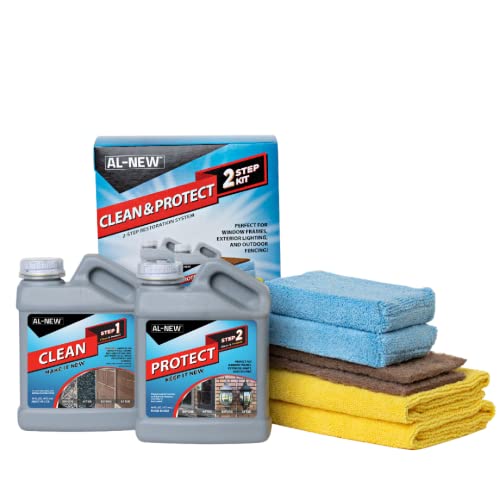
If you prefer a commercial product, select a non-toxic cleaner specifically formulated for patio items. Follow the manufacturer’s instructions for application to ensure safety and effectiveness.
After treating, allow the surfaces to dry completely in sunlight. This step helps prevent further development. Regular maintenance, such as cleaning these items periodically, will significantly reduce the likelihood of recurrence.
Identify Different Types of Algae on Furniture
Recognizing various strains is crucial for targeted treatment. I’ve encountered a few prominent types that often afflict furnishings placed in natural settings.
| Type | Description | Characteristics |
|---|---|---|
| Green Slime | Common in humid conditions, appears as a thin layer. | Bright green, slippery texture, usually found in shaded areas. |
| Black Mold | Dark patches that can appear on various surfaces. | Deep black or dark green, often associated with poor drainage. |
| Brown Algal Blooms | Less frequent, can be harmful to other outdoor materials. | Reddish-brown, rough surface; often found in stagnant water. |
| Filamentous Algae | Stringy and hair-like, generally thrives in moist environments. | Green or brown, can form mats and may stick to surfaces. |
| Blue-Green Algae | Not technically an algae, but a type of cyanobacteria, can produce toxins. | Vibrant blue-green color, often blooms in warm weather. |
Identifying the specific type aids in selecting the right cleaning solution and method, ensuring effective treatment against these unwanted organisms.
Gather Necessary Cleaning Supplies and Tools
For effective cleaning, I ensure I have a thorough list of supplies ready. Here’s what I find indispensable:
- Stiff-bristled brush: Useful for scrubbing away any growth.
- Plastic scrapers: Help in removing tough sections without damaging surfaces.
- Protective gloves: Keeps my hands safe from harsh chemicals and dirt.
- Baking soda: A natural abrasive that aids in lifting stains.
- White vinegar: Acts as a powerful agent against stubborn growth.
- Dish soap: Breaks down oils and grime, making the process easier.
- Bucket: Needed for mixing cleaning solutions or rinsing items.
- Water hose with a nozzle: Convenient for rinsing off surfaces thoroughly.
Checking that all tools are in good condition before beginning saves time and ensures a smooth cleaning process.
I also keep microfiber cloths on hand for drying and polishing after cleaning. Each tool and supply plays a specific role in restoring my outdoor items to pristine condition.
Prepare the Furniture for Algae Removal
Thoroughly inspect the surfaces for visible growth and textures that may require special attention. Remove all cushions and accessories to expose every area needing treatment.
Use a soft brush to gently scrub away loose particles and debris, ensuring a clean surface for the next steps. This will help to avoid scratching and damaging the material.
Check for any signs of damage or wear that need repairs before proceeding with any cleaning products. Addressing these issues now can prevent further deterioration.
If your items are made of wood or wicker, consider testing cleaners in a small, inconspicuous area to ensure they won’t cause discoloration or other damage.
Ensure the workspace is well-ventilated if using chemical solutions. Remove any nearby plants or items that could be affected by cleaning agents. It’s crucial to protect your surroundings during the process.
After this thorough preparation, you can confidently approach the next phase, armed with clean surfaces and necessary tools.
| Step | Description |
|---|---|
| Inspect | Look for growth and textures. |
| Remove Accessories | Take off cushions and decorations. |
| Brush Debris | Gently clean surfaces with a soft brush. |
| Check for Damage | Identify areas needing repairs. |
| Test Cleaners | Try cleaning solutions in hidden areas. |
| Ventilation | Ensure space is well-ventilated. |
| Protect Surroundings | Cover plants and sensitive items nearby. |
Create a Homemade Algae Cleaning Solution
I recommend mixing equal parts of white vinegar and water in a spray bottle for a potent cleaning mixture. Vinegar’s acidity effectively combats stubborn growth on various surfaces.
Additional Ingredients for Enhanced Effectiveness
For tougher stains, consider adding a tablespoon of baking soda to the vinegar-water solution. This combination not only aids in breaking down the thick layers but also helps deodorize the material.
Application Technique
Spray the solution directly onto the affected areas and let it sit for about 15 minutes. After that, scrub with a soft-bristle brush, ensuring to work gently to avoid damaging the surface. Rinse thoroughly with water to remove any residue. This technique guarantees a clean and fresh appearance without harsh chemicals.
Apply the Cleaning Solution to Affected Areas
Once the homemade mixture is prepared, I target the discolored patches with precision. Using a spray bottle or a soft cloth, I generously apply the solution directly onto the undesired growths. Ensuring thorough coverage is vital; I make sure to saturate the affected sections adequately to allow the cleaner to penetrate effectively.
Technique for Application
To maximize impact, I adopt the following methods:
- I spray the solution from a distance of about 6-12 inches, allowing for even distribution without causing excessive runoff.
- For stubborn areas, I use a cloth or sponge to directly scrub the surface in a circular motion, ensuring the cleaner reaches all nooks and crannies.
- Periodically, I check to see if additional solution is necessary for areas that appear resistant to cleaning.
Duration and Effectiveness
Typically, I let the cleaner sit for at least 10-15 minutes to break down the unwanted growth. During this time, I observe the surface for any changes. If any residue remains post-application, I repeat the process as needed.
Scrub and Remove Algae from Surfaces
To effectively eliminate unwanted growth on surfaces, I first gather a sturdy scrub brush or sponge. A brush with stiff bristles works wonders on textured materials, ensuring all crevices are reached. I dip the brush into the cleaning solution created earlier, then scrub the targeted area using firm, circular motions. This method removes the growth while preventing damage to the underlying material.
When dealing with flat surfaces, I apply gentle pressure, making sure not to scratch or undermine the finish. Rinse the area thoroughly with clean water. For persistent spots, I repeat the scrubbing process until the area is completely clear.
After scrubbing, I check for any remaining traces. A second thorough rinse ensures that any cleaning agent residue is eliminated, which helps maintain the integrity of the surface. I follow up by allowing the furniture to air dry completely, making it less susceptible to further growth.
For exceptionally stubborn patches, I may consider using a plastic scraper. This tool allows me to delicately lift away growth without risking damage, particularly on more fragile surfaces. Always maintain a light touch with scraping to prevent scratches.
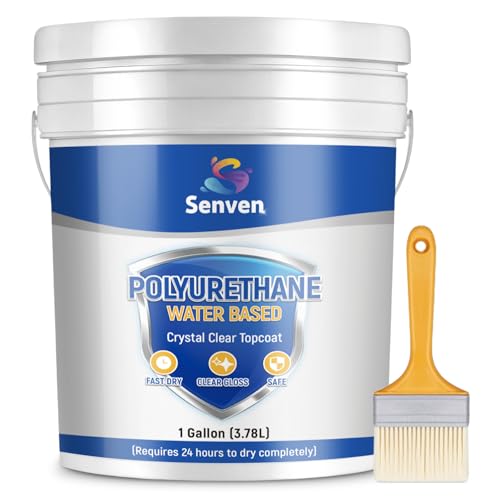
Finally, applying a protective sealant or coating can deter future occurrences, keeping the surface looking pristine. Regular maintenance checks can help identify any new growth before it becomes problematic, saving me time and effort in the long run.
Rinse Off Cleaning Agents Thoroughly
Ensuring that all cleaning solutions are completely washed away is critical to maintaining the longevity of your patio items. Residual chemicals can lead to surface degradation, discoloration, or even new growth of undesirable organisms.
Steps to Follow
After applying your cleaning mixture, use a garden hose or a bucket of clean water to rinse the surfaces thoroughly. Pay attention to joints and crevices where products may linger. A gentle spray helps dislodge any remnants without causing damage. Make sure to check for any missed spots, as these areas can become problematic over time.
For optimal results, allow the surfaces to dry completely after rinsing. This process ensures that no leftover moisture creates a favorable environment for the unwanted growth you’re tackling. Proper drying also helps prevent water spots or streaks that might affect the appearance of the items.
Dry the Furniture to Prevent Future Growth
To avoid future infestations, drying the surfaces thoroughly after cleaning is crucial. I recommend using a clean, absorbent cloth to wipe down all areas after rinsing. Ensure no moisture is left pooling in crevices where spores can settle and thrive. If possible, place the items in a sunny spot to facilitate faster drying.
Utilize Proper Storage Techniques
For long-term protection, consider storing the items in a sheltered area during wet weather. Using covers or placing them in a garage can significantly reduce moisture exposure. Additionally, elevating items off the ground can allow air circulation underneath, further minimizing dampness.
Regular Maintenance Checks
Conduct routine inspections to catch any signs of moisture buildup early. Keeping the surfaces clean and dry consistently prevents the conditions that promote the growth of unwanted organisms. After rainfall or heavy dew, ensure to dry the items promptly to maintain their condition.
Implement Regular Maintenance to Avoid Algae Buildup
Establishing a consistent cleaning schedule prevents unsightly growth on surfaces. I recommend a bi-weekly routine during warm months when moisture levels are elevated. This method helps keep surfaces clean and fresh.
- Use a soft brush or broom to sweep away debris each time.
- Follow up with a gentle detergent solution to wash the surface.
- Inspect for any developing discoloration or patches regularly.
In addition, ensure proper drainage and airflow around the items. Elevating furniture slightly can reduce moisture retention, inhibiting growth. If covered, use breathable tarps that allow for ventilation.
Pay attention to shaded areas, as these spots tend to retain moisture longer. I suggest checking these locations more frequently. If possible, move furniture to sunnier spots periodically to help dry out any dampness.
Finally, consider applying a protective sealant designed for the material of your items. This barrier can offer added protection against moisture absorption and future infestations.