
 Caleb Turner

Applying a high-quality wood cleaner is my first step for breathability and shine. I prefer products with natural ingredients that effectively lift dirt without harming the surface. It’s essential to use a soft cloth to avoid scratches while wiping away the cleaner.
Next, I turn to sanding for deeper rejuvenation. I start with medium-grit sandpaper and progress to a finer grit for a smooth finish. This method removes old finish layers and reveals fresh, untouched grain beneath. It’s important to work in the direction of the grain to prevent damage.

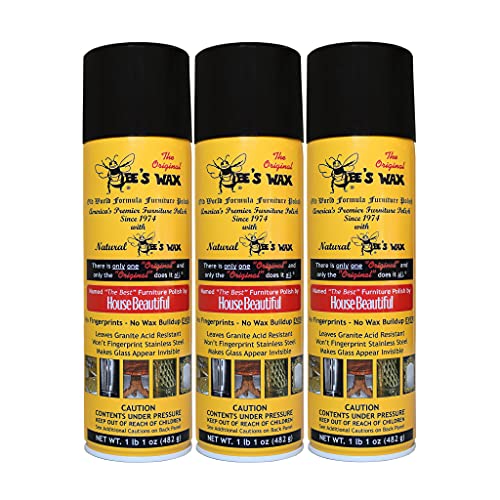


After sanding, I choose a suitable finish. Options like tung oil or beeswax offer protection and enhance the natural beauty. I apply it with a soft cloth, allowing it to soak into the wood for maximum effect. A light buffing after it dries provides a lovely luster that brings out the character of the piece.
Lastly, I always check the joints and legs for stability. Tightening screws or applying wood glue where needed helps ensure longevity. Regular maintenance keeps these treasured items looking their best for years to come.
Enhancing Vintage Wooden Pieces
I recommend using a mixture of olive oil and vinegar as a natural cleaner. This blend effectively removes grime while nourishing the grain. Apply it with a soft cloth, allowing the solution to penetrate deeply for optimal results.
Consider applying a suitable wax polish for added luster. Choose a product specifically designed for antique or distressed finishes to ensure compatibility with the existing coat. Buffing the surface after application brings out a subtle sheen and provides a protective layer.
- Identify the type of finish: Determine whether the surface is lacquered, oiled, or painted.
- Sand lightly: Use fine-grit sandpaper to smooth out rough patches without removing the original patina.
- Use touch-up markers: For scratches and chips, colored markers can blend imperfections seamlessly.
If deeper restoration is required, stripping old finishes may be necessary. Opt for eco-friendly strippers that are less harsh on the wood. After stripping, reapply a suitable stain to match the original color, followed by a protective sealant.
Regular maintenance prolongs the life of these cherished items. Dust regularly with a microfiber cloth and avoid placing items with high moisture on surfaces to prevent damage.
Assessing the Condition of Your Furniture
Check for noticeable scratches, dents, or stains on the surface. A magnifying glass can help inspect small imperfections that are often overlooked. Pay attention to the finish; if it appears dull or uneven, it may need renewal.
Look for structural integrity by gently shaking pieces. If any wobble or creak, the joints might be loose and require tightening or gluing.
Examine the joints and corners for signs of damage or wear. Signs of separation or cracking can indicate trouble; these areas might need repairs before proceeding with any refinishing work.
Inspect the legs and base for any signs of bending or wear. Ensure stability to avoid future accidents during use.
Assess the presence of insect damage, such as holes or powdery residue. If such issues are found, treat them promptly to avoid further deterioration.
Consider the type of finish. If the surface is coated with polyurethane or lacquer, the revitalization approach will differ from pieces with oil or wax finishes.
Identify whether the item has historical value, which could require special care during restoration. Understanding the era and style can inform decisions about preservation versus restoration.
Choosing the Right Cleaning Products
For restoring vintage surfaces, I prefer using gentle formulations that remove grime without damaging the finish. A mixture of warm water and mild dish soap is often my go-to for routine cleaning. It’s effective yet safe for most finishes.
When tackling tougher stains, I opt for a specialized wood cleaner. Brands that use natural ingredients are preferable, as they minimize harsh chemicals while still delivering results. Always check the product label to ensure it’s suitable for the specific type of finish on your piece.
For natural solutions, I often create a mixture of vinegar and olive oil. This combination not only cleans but also nourishes the surface, enhancing its luster. The general ratio I use is one part vinegar to two parts oil, applied with a soft cloth.
In instances where significant restoration is needed, I might consider using a dedicated wood polish. These products help refresh the surface without stripping the finish. I test a small, inconspicuous area to ensure compatibility before applying it broadly.
I avoid abrasive cleaners and scrubbing pads, as they can cause irreversible damage. Instead, I stick to soft microfiber cloths that carefully lift dirt without scratching. For sticky residue, a gentle rub with a damp cloth usually does the trick.
Lastly, keeping a clean, dry, and dust-free environment contributes to maintaining the beauty of my vintage treasures. Regular dusting with a soft cloth, combined with periodic deep cleaning, keeps them looking their best. This approach prolongs the life of the surface and minimizes the need for more aggressive cleaning methods later on.
Removing Old Finish and Paint
I recommend using a paint stripper specifically designed for furniture when tackling the removal of previous coatings. Always work in a well-ventilated area and wear gloves and a mask to protect yourself from fumes.
Follow these steps for effective results:
- Apply the paint stripper liberally over the surface using a brush. Allow it to sit for the recommended time as per the product instructions, usually around 15-30 minutes.
- Use a putty knife or a scraper to gently peel away the loosened finish. Be cautious to avoid damaging the underlying material.
- For stubborn areas, reapply the stripper and allow it to work again. Patience is key when addressing challenging spots.
- Once the majority of the old coating is removed, wipe the surface with a cloth dampened in mineral spirits to remove any residue from the stripper.
- Allow the surface to dry completely before proceeding to any refinishing steps.
For painted surfaces, I find that a heat gun can also be effective. Gently heat the paint until it bubbles, then scrape it off. Ensure you keep the heat gun moving to avoid burning the material. Always handle this tool carefully to prevent injury.
After achieving a clean and bare surface, inspect for any imperfections. Sand any rough areas with fine-grit sandpaper, moving in the direction of the grain to prepare for the next treatment.
In cases where the original finish is difficult to remove, consider using a sander. Choose an appropriate grit to avoid deep scratches, and follow with a finer grit for a smooth finish.
Dispose of any chemical products and removed materials according to local regulations, ensuring safety and environmental responsibility.
Repairing Scratches and Dents
I recommend using a few simple techniques to address scratches and dents effectively. For minor scratches, a walnut may be your best friend. Simply rub the meat of the walnut over the mark; the natural oils will often help mask the scratch. For deeper marks, mix equal parts of vinegar and olive oil, applying it with a soft cloth in the direction of the grain to fill the scratch and enhance its appearance.
For dents, the steam method yields excellent results. Place a damp cloth over the dent and gently apply a hot iron over it for a few seconds. This allows the wood fibers to swell back into place. Repeat as necessary until the dent is less visible.
If these methods aren’t effective, consider wood filler. Select a color matching your piece, apply it to the affected area, and once set, sand it down lightly to create a smooth finish. After sanding, reapply the finish to blend it in seamlessly.
| Issue | Solution |
|---|---|
| Minor scratches | Rub walnut over the scratch; use vinegar and olive oil mix. |
| Deep scratches | Use wood filler, sand, and touch up. |
| Superficial dents | Steam with a damp cloth and hot iron. |
| Deep dents | Wood filler application and finishing. |
Applying Stain or Paint for a New Look
Prepare your workspace with drop cloths to protect surrounding areas. Select appropriate stain or paint based on desired finish; consider oil-based options for durability or water-based for easier cleanup. Test a small, inconspicuous area of the piece to gauge color response and application ease.
If opting for stain, apply with a brush or cloth, working in the direction of the grain. Allow sufficient time for absorption, then wipe off excess to prevent a blotchy appearance. It may take multiple coats to achieve the desired depth of color. Ensure adequate drying time between applications.
For painting, start with a quality primer suited for wood. This step can enhance adhesion and provide a more uniform final look. Once the primer is dry, apply your chosen paint using smooth, even strokes. A foam roller can be useful for larger flat surfaces, while a brush is ideal for corners and detailed areas.
After the first coat is fully dried, sand lightly with fine-grit sandpaper to enhance adhesion for subsequent layers. Apply additional coats as needed, allowing each layer to dry completely. Finish with a protective topcoat or sealant for added durability, especially for items that will endure heavy use.
Lastly, always follow manufacturer’s instructions on drying times and application methods to achieve the best possible results. Regularly inspect and maintain the finish to extend the lifespan of the transformation.
Sealing and Protecting the Wood
I recommend applying a protective sealant after the restoration process. A high-quality polyurethane or tung oil works well for this purpose. Both options provide a durable finish that shields against moisture and wear.
Before applying, ensure the surface is clean and completely dry. Use a fine-grit sandpaper to lightly abrade the finish, promoting better adhesion of the sealant. Clean off any dust with a tack cloth.
For polyurethane, use a brush or foam applicator to spread an even layer. Allow it to dry as per the manufacturer’s instructions; generally, this takes around 4-6 hours. Sand between coats with a very fine grit to achieve a smooth surface, applying at least two to three layers for optimal protection.
If you opt for tung oil, apply it generously with a cloth, working it into the grain. After a thorough application, let it cure for 24 hours. Additional coats can enhance the sheen and protection level. Keep in mind that tung oil requires several applications to achieve a sufficiently protective layer.
In both cases, ensure that your working environment is dust-free to avoid imperfections, and allow sufficient curing time before placing items back on the refreshed surface. Regular maintenance with a gentle cleaner will extend the life of the finish and keep it looking fresh.
Maintaining Your Refreshed Furniture
To ensure longevity, I recommend regularly dusting the surface with a microfiber cloth. This simple step prevents grime buildup, keeping the finish intact.
Use a pH-balanced cleaner for deeper cleans. I find that diluted vinegar or a mild soap solution works wonders. Avoid abrasive materials; they can mar the surface. Rinse with a damp cloth after cleaning, followed by drying immediately.
Inspect for signs of wear periodically. If I notice scratches or blemishes, I touch them up with matching stain or repair wax. A small brush is useful for applying these touch-ups precisely.
Consider placing coasters under drinks and felt pads beneath objects to prevent scratches and dents. This small precaution significantly minimizes surface damage.
For optimal protection against moisture and sun damage, reapply a protective topcoat every couple of years. I prefer using a quality furniture wax or varnish that suits the enhanced appearance of the piece.
Lastly, store the item away from excessive heat or humidity. Keeping it in a stable environment preserves its beauty and functionality over time.
FAQ:
What are the first steps I should take before refreshing old wood furniture?
Before starting the refresh process, it is important to thoroughly clean the furniture. Use a soft cloth and a mild soap solution to remove dust and grime. Ensure that all surfaces are dry before proceeding with any refinishing. Additionally, inspect the wood for any damages such as scratches or cracks, which might require repair before applying any finishes.
Can I use paint to refresh my old wood furniture, and what type should I choose?
Yes, paint can be a great option for refreshing old wood furniture. Consider using chalk paint or milk paint, which adheres well to wood and provides a matte finish. These types of paint often require minimal preparation, allowing for a quick transformation. Always apply a primer before painting to enhance adhesion and durability, especially if you’re working with a darker or more vibrant color.
How do I apply a wood stain to rejuvenate my furniture?
To apply a wood stain, first, ensure the furniture is clean and in good condition. Sand the surface lightly to help the stain absorb better. Use a brush or cloth to apply the stain, working in the direction of the wood grain. Allow it to sit for a few minutes before wiping off the excess with a clean cloth. It’s a good idea to let the stain dry completely before applying a topcoat for further protection.
What types of finishes are available for protecting wood furniture after refreshing?
After refreshing your wood furniture, protecting the surface is essential. Common finishes include polyurethane, varnish, and shellac. Polyurethane offers durability and is available in both water-based and oil-based forms. Varnish provides a hard, protective layer and is good for surfaces that endure heavy use. Shellac is a natural finish that can enhance the wood’s appearance but is less durable compared to the other options. Choose based on your specific requirements and desired look.
Are there any special techniques for repairing scratches or dents in wood furniture?
To repair scratches or dents, you can use a few different techniques. For minor scratches, rubbing a walnut or using a furniture repair marker can blend the scratch into the surrounding wood. For deeper dents, you can apply a damp cloth over the area and use an iron on low heat to steam the wood, which can help lift the dent. Afterward, sand the area lightly and apply a suitable finish to match the rest of the furniture.
What are some simple methods to refresh old wood furniture without stripping the finish?
One effective way to refresh old wood furniture is to clean it thoroughly. You can use a mixture of water and mild soap to wipe down the surface, which helps remove dirt and grime. Afterward, applying furniture polish or a wax can enhance the wood’s natural shine and protect the surface. Additionally, you can consider using scratch cover or wood stain markers to touch up any minor scratches and blemishes. If the furniture is faded, using a wood restorer can bring back its original color without the need for stripping the finish. Regular maintenance, such as polishing, can keep the furniture looking fresh over time.
Is it possible to change the color of old wood furniture, and what steps should I take to do it?
Yes, changing the color of old wood furniture is absolutely feasible and can give new life to a piece. To start, you’ll want to prepare the surface by cleaning it thoroughly and, if necessary, lightly sanding to remove any existing finish and create a better surface for the new stain or paint. After that, you have a couple of options: if you’re using stain, apply it evenly with a cloth or brush, following the wood grain; let it sit for the recommended time before wiping off excess. If you prefer paint, choose a good-quality primer designed for wood, followed by your desired paint color. Finish with a clear topcoat to protect the new color. Allow adequate drying time between each step for the best results. This approach allows you to customize the piece while preserving the character of the wood.


