
 Caleb Turner

I recommend beginning with a thorough cleaning using a gentle detergent and warm water. This step removes dirt and oils that could interfere with subsequent processes. After cleaning, allow the surface to dry completely to prevent moisture from affecting the finish.
Next, examine the item for any imperfections. Use fine-grit sandpaper to carefully remove any old finish and smooth the surface. Sanding should be done along the grain to avoid visible scratches, ensuring a flawless base for the new layer.
Once prepared, select a high-quality stain that matches your desired aesthetic. Test the product on a hidden area first to ensure the color meets your expectations. Apply the stain evenly with a soft cloth or brush, following the grain patterns, and wipe away any excess to achieve a consistent look.
After the stain has dried completely, consider applying a protective sealant. This will help preserve the beauty of your revitalized piece, enhancing its durability against daily wear and tear. Choose a finish that aligns with the desired sheen, whether matte or glossy.


Reworking a Finished Surface
Remove the existing finish using a chemical stripper or sanding. Apply the stripper with a brush and let it sit as per the manufacturer’s instructions. Once it lifts the old coating, scrape it off with a plastic scraper to avoid damaging the underlying material.
If opting for sanding, use a coarse sandpaper (around 80 grit) to start, gradually moving to finer grits (up to 220 grit) for a smooth surface. Always sand with the grain to prevent scratches.
After stripping or sanding, clean the surface thoroughly. I wipe it down with a damp cloth to remove dust and residue. Allow it to dry completely before proceeding.
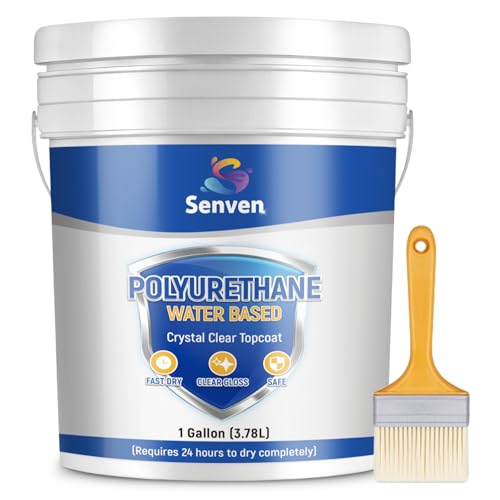
Choose a new finish that suits your preference, such as oil, varnish, or polyurethane. Test the finish on a small, inconspicuous area to ensure it meets your expectations. Apply it evenly using a brush or cloth, following the product instructions for drying times between coats.
For durability, consider applying multiple layers. Lightly sand between coats with fine grit sandpaper for optimal adhesion and a polished look.
Finally, let the piece cure fully before putting it back into use. This step allows the finish to harden, ensuring it remains resistant to wear and moisture.
Preparing the Furniture for Refinishing
Remove all items from the surface. This includes decorative pieces, books, and any hardware such as knobs or handles. Clear space will make the process smoother.
Cleaning the Surface
Wipe down the entire piece with a damp cloth to eliminate dust and grime. For sticky residues, a mixture of water and mild soap can be used. Ensure it is completely dry before proceeding.
Assessing the Condition
- Inspect for scratches, dents, or imperfections. Take note of areas that may need extra attention.
- Identify any loose parts or joints that may require tightening. Fix these before starting the refinishing process.
Always wear gloves to protect your hands from chemicals and dust. Additionally, work in a well-ventilated area to ensure safety during the entire process.
Choosing the Right Tools and Materials
The right tools and materials are crucial for achieving a professional look. I recommend investing in high-quality items that match the specifics of your project.
| Item | Purpose | Recommendation |
|---|---|---|
| Sander | For stripping away the old finish | Orbital or belt sander with varying grit sandpaper (start with 80-grit, then 120-grit) |
| Rags | For applying stains or finishes | Lint-free cotton cloths to avoid leaving fibers behind |
| Paintbrushes | For even application of finishes | High-quality synthetic brushes for water-based products or natural bristle for oil-based |
| Safety Gear | For protection while working | Dust mask, safety goggles, and gloves to protect against toxins and dust |
| Wood Stain | To impart color and depth | Choose based on desired finish; oil-based stains provide longer working time, water-based dry quickly |
| Finish | To protect and enhance the surface | Polyurethane for durability, or natural oils for a more organic look |
As I prepare to restore my heirlooms or thrift store finds, selection of these components is guided by the desired final appearance and the condition of the pieces I am working with. Each tool serves a specific need, contributing to an end result that reflects my efforts accurately.
Removing Old Stain and Finish
I recommend using a chemical stripper for efficient removal of old color and coating. Apply the stripper with a brush, ensuring even coverage. Allow it to sit according to the manufacturer’s instructions, typically around 15 to 30 minutes.
Use a plastic scraper to gently lift the softened finish away from the surface. Avoid metal scrapers, as they can damage the underlying material. For detailed areas, a toothbrush or small brush can help in getting into crevices.
Neutralizing the Stripper
After removing the bulk of the finish, it’s crucial to neutralize the stripper. Rinse the surface with warm water and a soft cloth. Some solvents leave residues that might interfere with future treatments, so ensure thorough cleansing.
Alternatives and Safety Tips
If chemicals are not preferred, sandpaper can be an alternative method. Start with coarse grit and progress to finer grades as the finish diminishes. Always wear a dust mask and goggles during this process to protect yourself from debris and dust.
Regardless of the method, ensure proper ventilation in your workspace to avoid buildup of harmful fumes. Safety is paramount, so gloves are essential when handling both strippers and sandpaper.
Applying New Stain for Desired Color
Choose high-quality stain that aligns with your vision. Oil-based stains penetrate deeply, providing rich colors, while water-based options dry quickly and are easier to clean up. Test several shades on a small, inconspicuous area to see how they react with the surface before committing to a full application.
Application Techniques
Utilize a foam brush or lint-free cloth for even distribution. Apply the stain liberally, moving in the direction of the grain to avoid streaks. Allow it to sit for about 5 to 15 minutes; the longer it sits, the darker the final color will be. Wipe off excess stain with a clean cloth to reveal the desired hue.
Layering for Depth
If a deeper color is preferred, wait for the first coat to dry completely before applying additional layers. Lightly sand between coats with fine-grit sandpaper to ensure better adhesion and a smoother finish. Repeat until the desired intensity is reached. Always allow adequate drying time as specified by the manufacturer’s instructions.
Sealing and Protecting the Newly Stained Surface
To ensure durability and longevity of the newly enhanced finish, I apply a suitable protective sealant after the color has dried completely. This step is crucial for safeguarding against scratches, moisture, and wear.
Choosing the Right Sealer
I select a finish that complements the hue applied. Options include polyurethane, varnish, and natural oils. For high-traffic areas, I prefer a water-based polyurethane, as it dries quickly and offers excellent resistance. If I desire a more natural look, I opt for a penetrating oil finish, though it may require more frequent touch-ups.
Application Process
Using a high-quality brush or a clean cloth, I apply the sealer in thin, even coats. I ensure to work in the direction of the grain for a smooth finish. After the initial layer cures, I lightly sand the surface with fine-grit sandpaper for better adhesion, then apply an additional coat. Typically, I apply two to three layers, allowing adequate drying time between applications. I finish by buffing the surface with a soft cloth to achieve a polished look.
Finishing Touches: Hardware and Accessories
Investing in high-quality hardware can significantly elevate the final look of any piece. Choosing the right handles, knobs, and hinges is paramount. Opt for finishes that complement the new color and style. For a modern touch, consider brushed nickel or matte black; for a rustic feel, aged bronze or antique brass are ideal.
- Handles and Knobs: Select sizes proportional to the scale of the item. Larger pieces benefit from more substantial hardware, while smaller items look best with delicate options.
- Hinges: Replace old hinges to ensure smooth operation and enhance aesthetics. Concealed hinges provide a sleek appearance, while exposed options can add character.
- Drawer Slides: Upgrading to soft-close slides can enhance functionality and feel luxurious.
Accessories also play a crucial role in completing the transformation. Consider adding decorative elements like corner brackets or trim. These details can create visual interest and tie together the overall design.
- Felt Pads: Attach these to the bottom of legs to protect floors and allow easy movement.
- Interior Liners: For drawers or cabinets, a stylish liner can add a pop of color or texture, making the inside just as appealing as the exterior.
- Lighting: If the piece is a display cabinet, install LED strips for a sophisticated touch that highlights the contents.
Finally, always consider the maintenance of these accessories. Regular cleaning and care of metal and decorative elements will prolong their usability and keep the item looking fresh.
Maintenance Tips for Refinished Furniture
Regular cleaning with a soft, damp cloth helps to preserve the new finish. Avoid using abrasive materials that can scratch the surface. For stubborn stains, a mild soap solution can be employed, but always remember to wipe away any residue thoroughly to prevent buildup.
Protection from Damage
Using coasters or placemats prevents marks from hot or wet items. Consider applying felt pads under decorative objects and tableware to prevent scratches. Additionally, keep the piece out of direct sunlight to prevent fading and discoloration over time.
Reapplication of Finish
Periodically inspect for signs of wear, such as dullness or scratches. Refinishing less frequently used items may require less maintenance, but staying proactive about touch-ups can prolong the quality. For a quick refresh, consider applying a thin layer of furniture wax every few months to restore shine and offer additional protection.
FAQ:
What are the first steps I should take to prepare my stained wood furniture for refinishing?
Preparing your stained wood furniture is crucial for a successful refinishing project. First, remove any items from the furniture and thoroughly clean the surface with a mild soap and water solution to eliminate dust and grease. After it dries, inspect the piece for any damage. Sanding is the next step. Use a fine-grit sandpaper to gently sand the surface, going with the grain of the wood. This will help remove the existing stain and create a smooth surface for the new finish. Finally, make sure to remove any dust created by sanding before applying a new stain or finish.
How can I choose the right stain color for my wood furniture?
Choosing the right stain color depends on several factors, including your personal style, the color of your room’s décor, and the type of wood you are working with. It’s advisable to test several stain samples on an inconspicuous area of the furniture or on a scrap piece of the same wood. Observe how the stain interacts with the wood grain and how it looks in different lighting conditions. Consider the overall ambiance you want to create: lighter stains can make a space feel airy, while darker stains tend to give a more formal and dramatic feel. Don’t hesitate to mix stains to achieve a unique color if that fits your vision.
What safety precautions should I take while refinishing wood furniture?
Safety is a priority during any refinishing project. First, ensure you work in a well-ventilated space to avoid inhaling fumes from stains or finishes. It’s also a good practice to wear a dust mask when sanding and gloves when working with chemicals. Protect your eyes with safety goggles, especially when sanding or using liquid products. If you’re working with solvents, consider using a respirator mask. Lastly, keep a fire extinguisher nearby if you are using flammable materials and ensure that you dispose of any rags or materials soaked in stain or finishes properly to avoid spontaneous combustion.
How long should I wait between applying coats of stain or finish?
The waiting time between applying coats can vary depending on the products used. Generally, it is recommended to wait at least 4 to 6 hours for stain to dry before applying a second coat. Always check the manufacturer’s instructions on the product label, as some stains and finishes may require a longer or shorter drying time. After the final coat, allow the piece to cure for a minimum of 24 hours before using it. Keep in mind that cooler temperatures and higher humidity can extend drying times, so consider the environmental conditions when planning your project.
Can I use a paint sprayer for refinishing wood furniture, and what are the advantages?
Yes, a paint sprayer can be an excellent tool for refinishing wood furniture. It allows for a smooth and even application of stain or finish without brush marks. Sprayers can cover large areas quickly, making the process more efficient. However, it’s important to practice proper technique and ensure that the sprayer is set to the right pressure to avoid drips. Additionally, you must prepare your workspace to prevent overspray. While using a sprayer may require some additional setup and cleanup, the quality of finish often justifies the effort, especially for larger pieces or intricate details.


