
 Caleb Turner

Begin with thorough cleaning of the item. Remove dust, grease, and old finishes to ensure optimal adhesion of the new layer. Use a mild detergent and a soft cloth; a gentle scrub can help eliminate stubborn residues.
Next, gather your tools: a high-quality synthetic brush or a foam roller works best for even application. Prepare your environment by laying down a drop cloth to protect your floors from spills and drips. Ventilation is crucial, so open windows or work in a well-ventilated area.
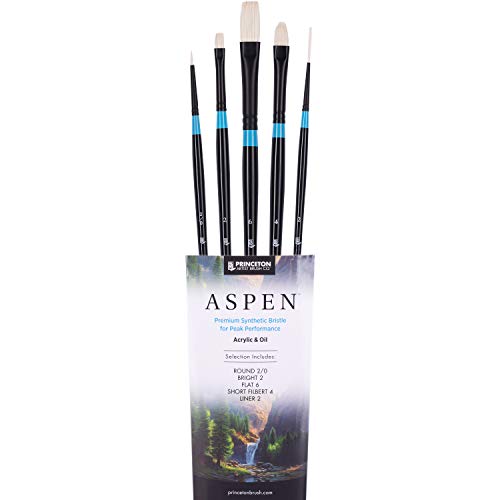


Choose a color palette that complements your aesthetic. The beauty of this technique lies in the ability to mix shades, allowing for unique creations. Apply thin layers, allowing each to dry completely before adding the next. This prevents drips and ensures a smooth finish. Typically, two to three applications will yield the desired opacity.
After the final coating dries, a light sanding can create a velvety texture. Seal everything with a wax finish for durability and a soft sheen. This coating can revive old pieces, breathing new life into forgotten items while maintaining character.
Steps for Refinishing with Chalk-Like Coating
Begin with a thorough cleaning of the surface. Use a mixture of mild soap and water to eliminate dirt and grime. Rinse and let it dry completely before proceeding with the next steps.
Lightly sand the existing finish using fine-grit sandpaper. This step enhances adhesion by creating a rough surface. Wipe off dust with a damp cloth to ensure a smooth application.
Apply a layer of the coating with a high-quality brush or roller. Aim for even strokes to avoid streaks. Wait for the first coat to dry per the manufacturer’s instructions, usually a couple of hours.
Inspect the surface after the initial coat. If desired, additional layers can be added for a richer appearance. Lightly sand between coats for an ultra-smooth finish.
Once completely dry, seal the surface with a clear wax or sealant to provide durability and protection. Apply it using a cloth, following the product instructions for optimal results.
Finally, allow the finish to cure for several days before heavy use. This will ensure that the protective layer is fully set and your piece is ready for everyday life.
Choosing the Right Chalk Paint for Your Project
Select a product that offers excellent coverage and a smooth finish. Look for brands that specify high pigmentation; this ensures fewer coats are needed and enhances the final appearance.
Consider the desired finish. Each formulation varies, resulting in matt, satin, or distressed effects. Test samples on a small area to evaluate how the outcome aligns with your vision.
Evaluate the texture. A thicker consistency allows for better application on uneven surfaces, while a thinner mix may be suitable for detailed work. Know your surface to choose appropriately.
Investigate the drying time. Some formulations dry quickly, allowing for multiple layers within a short period, while others may require longer intervals between coats. Choose what fits your schedule best.
Also, pay attention to the availability of colors. Many manufacturers provide a wide spectrum. Having options allows for creativity and customization. If possible, explore mixing colors to achieve unique shades.
Finally, consider eco-friendliness. Products labeled as low-VOC emit fewer pollutants, contributing to safer indoor air quality during your process. Look for certifications to ensure a greener choice.
Preparing Your Furniture for Painting
Before I begin any project, my first step is to evaluate the piece thoroughly. I check for any damage such as scratches, dents, or loose parts. It’s critical to fix these issues for a smooth finish.
Cleaning the Surface
Next, I clean the item with a mixture of warm water and mild soap. This removes dust, grease, and residues. After cleaning, I allow it to dry completely before proceeding.
Sanding
I then lightly sand the surface using fine-grit sandpaper. This creates a texture that helps the coating adhere better. Focusing on areas that are already chipped can help create an even base. After sanding, I wipe down the surface with a damp cloth to remove any dust particles.
It’s also important to consider the type of finish currently on the piece. If it has a glossy finish, additional sanding may be necessary to ensure proper adhesion. For especially problematic areas, I might use a paint stripper to remove the old finish entirely.
- Assess for damage and make repairs.
- Wash the surface thoroughly.
- Lightly sand for better adhesion.
Following these steps prepares the item for a successful transformation, ensuring that the new coating looks vibrant and lasts long. Always work in a well-ventilated area, especially during sanding and cleaning.
Techniques for Applying Chalk Paint Evenly
To achieve a smooth finish, I rely on a high-quality synthetic brush or foam roller. The choice of tool directly impacts the application; brushes are excellent for details, while rollers cover larger areas efficiently.
Before starting, I always dilute the mixture slightly with water. This adjustment helps to maintain an even flow and reduces brush marks. My go-to ratio is about 10% water to paint.
Applying thin layers is key. I always use quick, straight strokes without pressing too hard, which allows the material to glide. I make sure to keep a wet edge while painting to avoid unsightly overlaps.
If I notice unevenness after the first coat dries, I gently sand the surface with fine-grit sandpaper. A light touch is essential; this prepares the surface for the next application without removing too much of the initial layers.
For a seamless look, I often use a dry brush technique. This involves lightly dragging a dry brush across the surface after the last coat has dried. It softens the appearance and removes any excess material.
I always finish with a sealer to protect the final look. Applying it with a clean, soft brush prevents disruption of the underlying layers.
Every project is unique, so I adapt these methods based on the specific surface and desired outcome. Patience is vital in achieving that smooth, professional appearance I aim for.
Finishing Touches: Waxing and Sealing the Paint
For achieving a durable and appealing finish after applying the decorative layer, a sealing process is critical. I recommend using a clear wax or a water-based topcoat to protect your surface and enhance its sheen.
Steps for applying wax:
- Choose the Right Wax: Opt for either a soft or a hard wax depending on the degree of durability needed.
- Prepare Tools: A natural bristle brush or a clean cloth works best for applying wax. Ensure that your tools are clean and dry.
- Application: Dip your brush or cloth into the wax, then apply it in circular motions across the surface. Work in sections to keep the wax even.
- Let it Set: Allow the wax to sit for about 10-15 minutes before buffing.
- Buffing: Use a clean, soft cloth to buff the surface lightly, enhancing the shine and ensuring an even application.
- Repeat if Necessary: For additional protection, consider applying a second coat after the first one cures for a few hours.
For a water-based sealant:
- Select an Appropriate Sealant: Water-based polyurethanes or acrylic sealers are excellent choices for safeguarding against moisture and scratches.
- Application Process: Use a synthetic brush or foam applicator to apply the sealant evenly. Be cautious to avoid drips.
- Drying Time: Follow the manufacturer’s instructions for drying times before applying subsequent coats.
- Multiple Coats: Apply 2-3 coats for maximum durability. Lightly sand between layers to ensure adhesion and a smooth finish.
Allow the completed item to cure fully, ideally for at least a week, before heavy use. This patience ensures that your restoration remains beautiful and intact for a long time.
Repairing Common Mistakes in Chalk Painting
Uneven coverage often arises when layering. To address this, lightly sand the area with a fine-grit paper. After sanding, apply a thin layer of your chosen product, ensuring a smooth finish. Patience is key; let each coat dry thoroughly before applying additional layers.
Addressing Drips and Runs
Drips can spoil an otherwise flawless finish. If you notice these imperfections, once dry, use fine sandpaper to gently even out the surface. Follow up with a touch-up application to blend seamlessly with the surrounding area.
Dealing with Faded or Blotchy Areas
Fading may occur due to inadequate pigmentation or uneven application. Apply a mist coat for a uniform tone, lightly spritzing water over the surface to help the new layer adhere better. After it dries, follow up with standard coats until the desired shade is achieved.
Don’t forget to seal the finish. A wax or topcoat will enhance durability, preventing future wear and unexpected blemishes. Always test products on a small, inconspicuous area for compatibility before full application.
Maintaining Your Newly Finished Furniture
For lasting beauty and usability of your transformed pieces, consistent care is key. I recommend establishing a routine maintenance schedule to keep them in excellent condition. Regular dusting with a soft, dry cloth can prevent dirt buildup and scratches on the surface.
Cleaning Techniques
Avoid harsh chemicals. Instead, mix a gentle solution of mild soap and water. Lightly dampen a cloth with this mixture, ensuring it’s not soaking wet, and wipe down the surfaces. Always follow up with a dry cloth to remove any moisture.
Preventing Damage
To shield against wear and tear, consider using felt pads under objects placed on the surfaces. Sunlight can fade colors; therefore, positioning away from direct sunlight preserves vibrancy. For areas with high traffic, frequent touch-ups may be necessary to maintain the original look.
| Maintenance Task | Frequency |
|---|---|
| Dust Surfaces | Weekly |
| Deep Clean | Monthly |
| Inspect for Wear | Every 3 Months |
| Reapply Wax/Sealant | Every 6 Months |
By dedicating time for these tasks, I ensure my creations remain beautiful and functional, enhancing my living space for years to come.
FAQ:
What materials do I need to refinish furniture with chalk paint?
To refinish furniture using chalk paint, you will need the following materials: chalk paint in your desired color, a paintbrush or a roller for application, sandpaper or a sanding sponge for surface preparation, a clean cloth or tack cloth for dust removal, a top coat (such as wax or polyurethane) for protection, and a drop cloth to protect your workspace. Make sure to have all these items ready before starting your project for a smooth process.
How should I prepare the furniture before applying chalk paint?
Preparing the furniture is a crucial step in the refinishing process. Begin by cleaning the surface to remove any dirt or grease. Next, if the furniture has a glossy finish, it’s advisable to lightly sand the surface to create a better grip for the paint. Use a fine-grit sandpaper to avoid deep scratches. After sanding, wipe down the furniture with a damp cloth to remove dust particles. Allow it to dry completely before applying the chalk paint.
Can I use chalk paint on all types of furniture?
Chalk paint is quite versatile and can be used on various types of furniture, including wood, metal, and even some plastics. However, it is essential to ensure that the surface is clean and properly prepared. Some materials may require a primer or additional preparation to achieve the best results. If you are unsure, testing a small area first can help assess how the paint adheres and looks on the material you are working with.
How many coats of chalk paint will I need for a solid finish?
The number of coats of chalk paint needed depends on the color you’re applying and the furniture’s original finish. Typically, two coats are recommended for good coverage and a uniform look. After the first application, allow the paint to dry completely, then check for any areas that may need more coverage. If necessary, apply a second coat for an even finish. Always allow sufficient drying time between coats for the best outcome.
What type of top coat should I use after applying chalk paint?
After applying chalk paint, a protective top coat is essential to enhance durability and longevity. Options include clear wax, which adds a soft sheen and a traditional look, or water-based polyurethane, which provides a more robust, glossy finish. The choice depends on your preference for appearance and how the furniture will be used. Make sure to follow the instructions on the product you choose and allow adequate drying time before using the furniture.


