Caleb Turner
Begin by cleaning the surface thoroughly using a mixture of warm water and mild soap, ensuring that all dirt and grease are removed. Rinse with clear water and let it dry completely before proceeding with any additional steps.
To address imperfections, a light sanding with fine-grit paper will smooth out scratches. This step is crucial as it prepares the surface for better adhesion of the subsequent coatings. Wipe away any dust particles after sanding to create an ideal base.
Apply a primer designed for non-porous surfaces. This will enhance the adherence of your paint or finish. After the primer dries, selecting an appropriate acrylic or enamel paint will provide a durable and visually appealing layer. Use a foam roller or a high-quality brush to ensure an even application.
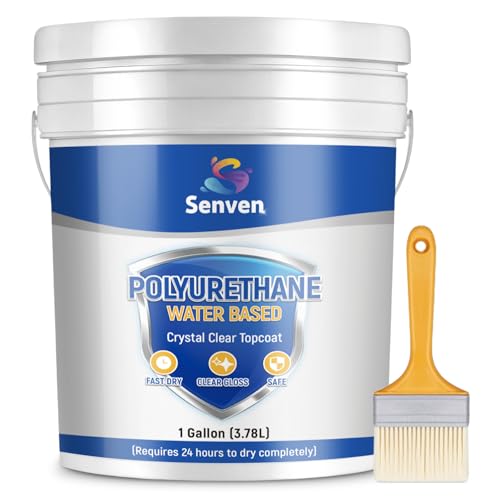
Once the paint is fully dry, consider adding a protective topcoat to increase longevity against wear and tear. This will seal in your work and leave your pieces looking fresh and revitalized, ready to stand the test of time.
Finally, regular maintenance by gently cleaning with a damp cloth and avoiding harsh chemical cleaners will help retain the new appearance of your improved items.


How to Refinish Fake Wood Furniture
Begin with a thorough cleaning of the surface using a mild detergent and water, ensuring all dirt and grime are removed. After drying, inspect for scratches or damage. If found, fill them with a suitable filler that matches the texture of the surface.
For the next step, light sanding using fine-grit sandpaper removes any gloss and prepares the surface for paint or stain. Be careful not to over-sand, as it can damage the underlying material. Wipe away dust with a damp cloth afterward.
Choose either paint or a veneer for a new finish. If opting for paint, select a high-quality primer first to ensure better adhesion. Apply multiple thin coats of paint, allowing sufficient drying time between layers, until achieving the desired opacity.
If you prefer a stain look, use a water-based stain suitable for non-porous surfaces. Test on an inconspicuous area first to see the color outcome. Apply evenly with a brush, ensuring to wipe off excess stain to achieve an even finish.
To protect the newly finished surface, apply a clear coat or sealant. Choose a matte or glossy finish based on your preference. Multiple thin layers increase durability while enhancing aesthetics.
| Task | Product | Notes |
|---|---|---|
| Cleaning | Mild detergent | Use warm water for best results |
| Sanding | Fine-grit sandpaper | Sand in the direction of the grain |
| Priming | High-quality primer | Ensure compatibility with selected paint |
| Painting/Staining | Water-based stain or paint | Multiple thin coats yield the best finish |
| Sealing | Clear coat or sealant | Opt for matte or glossy depending on preference |
Finally, allow everything to cure fully according to product instructions before heavy use. A little patience leads to a refreshed look, extending the life of your piece significantly.
Assessing the Condition of Synthetic Timber Pieces
Begin with a visual inspection. Check for scratches, dents, and fading in the surface coating. Note any areas where the finish appears to be peeling or bubbling, indicating moisture damage or wear. Pay attention to the edges and corners, as these spots can show more significant signs of wear than flat surfaces.
Structural Integrity
Gently test the stability of each item. Wiggle drawer fronts and doors to ensure they don’t sag or misalign. Look for any signs of separation between layers, which may compromise strength. If the item feels wobbly, it may need additional support or reinforcement.
Surface Preparation
Before proceeding with any restoration steps, thoroughly clean the surfaces. Use a gentle cleaner to remove dust, oils, or residue. After cleaning, assess whether the surface needs light sanding to smooth out imperfections. This will prepare it for any subsequent treatments effectively.
Choosing the Right Materials for Refinishing
For a long-lasting transformation, selecting high-quality supplies is non-negotiable. I always opt for a primer specific to laminate surfaces, as it provides better adhesion for subsequent layers. Ensure it’s suitable for the type of finish I plan to apply.
Paint or stain selection is equally critical. Water-based options are often best for their ease of use and clean-up. I prefer acrylic paints for their durability and vibrant colors. If I lean towards a warm, natural finish, a gel stain can offer depth without overwhelming the synthetic texture.
Certain tools also play a pivotal role. A fine-grit sandpaper helps smooth the surface without damaging it, while a foam applicator is ideal for even paint application. Brushes should be chosen carefully; synthetic bristles work well with water-based products, ensuring a smooth finish without streaks.
| Material | Purpose |
|---|---|
| Primer | Enhances adhesion of paint or stain |
| Paint or Stain | Provides color and protective layer |
| Fine-Grit Sandpaper | Smooths surface for better adhesion |
| Foam Applicator | Ensures even paint application |
| Synthetic Brush | Prevents streaking with water-based products |
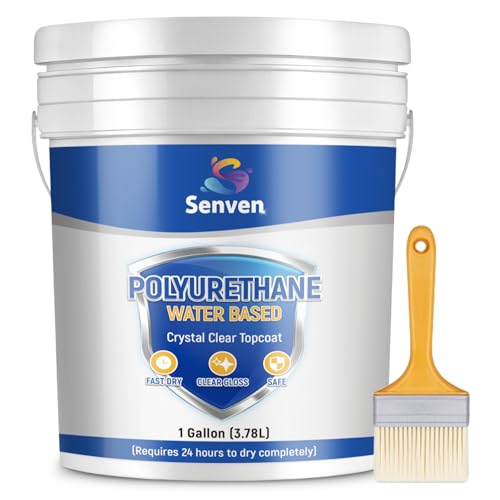
Finally, investing in quality clear coats enhances durability and shines. I choose water-based polyurethane for its low odor and quick drying time, ensuring a tough finish that withstands daily use.
Preparing the Workspace for Refinishing
Ensure your area is well-ventilated to avoid inhaling fumes from chemicals and dust during the process. Open windows and use fans to promote airflow.
Clear the space of all unnecessary items. A clutter-free environment minimizes distractions and accidents. Move any nearby decor, plants, or fragile items to prevent damage.
Use drop cloths or old newspapers to protect the floor and surrounding surfaces from spills or debris. This will make cleanup easier and maintain a tidy workspace.
Gather all necessary supplies before you begin:
- Sandpaper (various grits)
- Primer suitable for the surface
- Paint or finish of your choice
- Brushes and rollers
- Cleaning rags
- Protective gear (gloves, mask, goggles)
Have a designated area for tools and materials to streamline your workflow. This prevents search time during the project.
Consider the lighting in the workspace. Adequate illumination helps spot imperfections and ensures an even application of materials.
Lastly, check for potential hazards such as nearby power outlets or water sources that may pose risks during work. Address these concerns to maintain safety throughout the process.
Cleaning the Surface of Fake Wood Furniture
Begin with a gentle, damp cloth to remove dust and debris. Avoid excessive moisture, as it can damage the surface. For a deeper clean, mix a small amount of mild dish soap with warm water. Dampen a cloth in the solution and wipe the surfaces, ensuring no puddles form.
For stubborn stains, consider using a mixture of equal parts vinegar and water. Apply the solution sparingly on the affected area, then wipe clean with a dry cloth. If residues remain, a soft-bristled toothbrush can help lift grime without scratching.
After the initial clean, dry the surface thoroughly with a microfiber cloth. This helps prevent streaks and water spots, maintaining a polished look. Regular cleaning is key; dust weekly and perform deeper cleans monthly to keep surfaces looking fresh.
Lastly, avoid abrasive cleaners or scrubbers, as they can damage the finish. Stick to soft materials to maintain the integrity of the surface while achieving a clean, inviting appearance.
Stripping Old Finish from Synthetic Surfaces
I recommend using a chemical stripper specifically formulated for laminates to remove the old coating from synthetic surfaces. Begin by applying the stripper generously with a paintbrush, ensuring even coverage across the entire area. Follow the manufacturer’s instructions regarding drying time; typically, it takes between 10 to 30 minutes for the product to work.
After the designated time, use a plastic scraper to gently lift the softened finish away from the surface. This method minimizes the risk of damaging the underlying material. If stubborn spots remain, reapply the stripper and repeat the process until a clean surface is achieved.
Once the finish is removed, thoroughly wash the area with water and a mild detergent. This step neutralizes the chemicals used in the stripping process. Rinse well and allow the surface to dry completely.
For any remaining residue, I utilize fine steel wool to lightly scrub the area, making sure not to apply too much pressure. This ensures a smooth foundation ready for future treatments.
Lastly, always wear protective gloves and goggles during the stripping process. Proper ventilation in the workspace is also critical to avoid inhaling fumes from the chemicals.
Applying New Paint or Stain on Synthetic Surfaces
For achieving the best finish on synthetic surfaces, I always ensure to select a paint or stain formulated specifically for non-porous materials. These products will adhere better and provide a more durable finish.
Before application, I recommend using a primer designed for laminate or synthetic materials. This step enhances adhesion and minimizes the chances of peeling or chipping later. I always apply a thin coat of primer uniformly and allow it to dry completely, following the manufacturer’s instructions.
When it comes to paint, I prefer using a spray paint for a smoother and more even application, but I also find that a high-quality brush can work well for detailed areas. If I choose to stain instead, I opt for gel stains, which are less likely to run and provide better control over color depth.
Applying multiple thin coats rather than one thick layer leads to a more even finish. After the first coat dries, I lightly sand the surface with fine-grit sandpaper to enhance adhesion of the subsequent layers. I typically repeat this process until I achieve the desired color saturation.
Finally, sealing the finish is crucial. I often use a clear polyurethane topcoat to protect the new surface. This not only safeguards against wear but also gives a polished look. Applying the sealer with a synthetic brush ensures a smooth application without brush strokes.
Sealing and Protecting the Refinished Surface
After applying paint or stain, it’s crucial to seal the newly treated surface. Choose a high-quality protective finish that suits your desired look and durability requirements.
- Polyurethane: Offers excellent durability and is available in both water-based and oil-based formulas. Water-based versions dry quickly and have low odor, while oil-based ones provide a richer finish.
- Varnish: Provides a tough, protective layer with a glossy sheen, ideal for high-use pieces.
- Wax: Adds a soft luster and is easy to apply. Best suited for low-traffic items, as it may require more frequent reapplication.
Before applying your chosen sealant, ensure the surface is completely dry and free of dust. Use a clean, lint-free cloth or a brush for application, following the manufacturer’s instructions for best results.
Apply at least two coats, allowing sufficient drying time between applications. Lightly sanding between coats can enhance adhesion and finish quality, ensuring a smooth surface.
Once the final layer has dried, test the integrity of the sealing by rubbing a damp cloth against the surface. If moisture beads up, the seal is intact. If it absorbs, consider applying an additional layer.
Regular maintenance includes periodic cleaning with a gentle cleaner and reapplication of wax or sealant as needed to preserve the appearance and protect against wear.
Drying and Curing Time for Refined Pieces
After applying a new finish, it’s crucial to allow adequate drying and curing time. I recommend waiting at least 24 hours before handling the item gently, but this can vary based on temperature and humidity. For optimal results, a full curing period of 7 to 14 days is ideal before placing any heavy objects on the surface.
Drying vs. Curing
Understand the distinction between drying and curing. Drying refers to the time it takes for the surface to feel dry, while curing is the overall hardening process of the applied product. Ensure that the environment is well-ventilated to speed up both stages, as good airflow helps the finish to set evenly.
Tips for Ensuring Proper Drying
Avoid direct sunlight during the drying phase, as it can cause uneven results. Use fans or dehumidifiers if you’re in a humid area. If in doubt about the finish’s readiness, perform a light touch test; if it feels tacky, it needs more time. Patience during this phase yields a durable and appealing finish.
Maintenance Tips for Refinished Furniture
To preserve the beauty of your newly revamped pieces, clean regularly using a soft, damp cloth. Avoid harsh chemicals that can damage the finish.
Implement a dusting routine with a microfiber cloth to prevent dust buildup. Dust can scratch surfaces over time if not removed consistently.
For spills, blot immediately with a soft cloth rather than wiping, as this can spread the liquid and cause stains. Use a gentle soap solution for tough spots, followed by a clean damp cloth to rinse.
Inspect for any signs of wear monthly, such as scratches or chips, and address them promptly. Small touch-ups can prevent larger repairs down the road.
Keep pieces away from direct sunlight and extreme temperatures, which can warp materials. Position away from heaters or air conditioners to maintain a stable environment.
Consider applying a layer of protective wax or spray periodically. This can add an extra barrier against scratches and enhance the sheen of the surface.
Avoid placing heavy items on the surface for extended periods as this may lead to indentations or uneven wear.
Rotate decor placement occasionally to ensure even exposure and wear across all areas.